MinuteRead
30 min
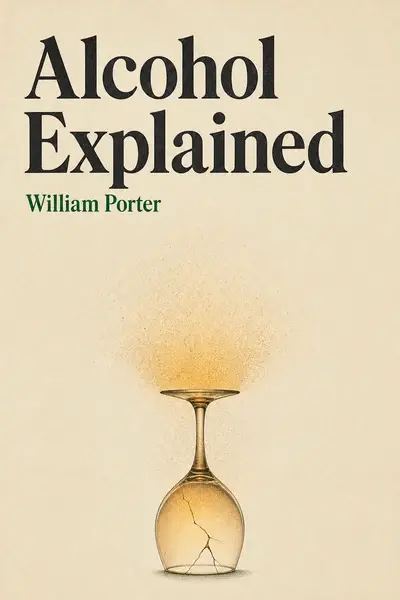
Most people drink alcohol without ever really understanding what it is. They know it makes them feel relaxed, more sociable, less inhibited. They know that too much of it leads to hangovers, poor decisions, and regret. But very few people understand what alcohol actually is at a chemical level, how it works in the brain, and why it produces the effects it does. This lack of understanding is not accidental. It is the direct cause of why so many people struggle with drinking for years, unable to f
**Author:** William Porter
**Estimated Reading Time:** 45 minutes
**What You'll Learn:**
- The true physiological effects of alcohol on the brain and body - Why willpower alone rarely works against alcohol addiction - How the subconscious mind drives drinking behavior - Why moderation fails for most heavy drinkers - A practical framework for breaking free from alcohol permanently
**Who This Book Is For:**
This book is for anyone who has ever wondered why they drink more than they intend to, why stopping feels so difficult, or why life without alcohol seems unimaginable. It is for the person who has tried to moderate and failed, for the one who wakes up at 3 a.m. anxious and exhausted, and for anyone who wants to understand what alcohol actually does to the human mind and body.
Most people drink alcohol without ever really understanding what it is. They know it makes them feel relaxed, more sociable, less inhibited. They know that too much of it leads to hangovers, poor decisions, and regret. But very few people understand what alcohol actually is at a chemical level, how it works in the brain, and why it produces the effects it does. This lack of understanding is not accidental. It is the direct cause of why so many people struggle with drinking for years, unable to figure out why they keep returning to something that causes them so much misery. William Porter wrote Alcohol Explained to fill this gap. He is not a doctor or a scientist. He is a former drinker who spent years trapped in the cycle of drinking, trying to moderate, failing, and feeling like something was fundamentally wrong with him. When he finally decided to understand what alcohol actually does to the human body and brain, everything changed. The mystery of his drinking behavior dissolved. He saw clearly why he drank the way he did, why moderation never worked, and why stopping felt so terrifying. And once he understood these things, stopping became not just possible but logical. The central problem this book addresses is simple: most people try to solve their drinking problem without understanding what alcohol is or how it works. They rely on willpower, on rules about when and how much to drink, on avoidance strategies, on support groups that tell them they have an incurable disease. None of these approaches address the root cause of the problem. The root cause is that alcohol is an addictive substance that alters the brain's chemistry, and the drinker does not understand what is happening to them. Think about it this way. If you were trapped in a room with a locked door, you would want to understand how the lock works…
Continue reading in the MinuteRead app
Get the complete 30-minute summary of Alcohol Explained
Get the complete summary in the appAlcohol is an anaesthetic and a depressant that numbs the nervous system.
The anxiety you feel after drinking is caused by the alcohol, not by your life.
The subconscious mind creates automatic associations between triggers and drinking.
Cravings follow a predictable pattern that can be interrupted early.
Fading Affect Bias causes you to romanticize drinking over time.
Alcohol creates the illusion of relaxation and confidence while undermining both.
"Alcohol Explained" is a strong fit if you want practical ideas around health, self help, alcohol, especially themes like alcohol is an anaesthetic and a depressant that numbs the nervous system; the anxiety you feel after drinking is caused by the alcohol, not by your life. The MinuteRead summary distills these concepts into a focused read, whether you're deciding whether to buy the book or applying its lessons at work.
William Porter is the author of Alcohol Explained, a book that has garnered significant praise for its straightforward approach to understanding alcohol addiction. Porter draws on his personal experiences and combines them with scientific information to create an accessible guide for those struggling with alcohol use. While not a healthcare professional, his background as a lawyer and former member of the armed forces lends credibility to his perspective. Porter's writing style is described as c…
View all summaries by William PorterContinue Reading
Access the complete 30-minute summary and thousands more nonfiction books in the MinuteRead app.

Continue reading the complete summary in the MinuteRead app.