MinuteRead
30 min
There is a quiet anxiety that follows millions of people through their daily lives. It sits with them at the kitchen table while they sort through bills. It rides along in the car on the way to work. It whispers late at night when sleep should come easily but does not. The anxiety is about money.
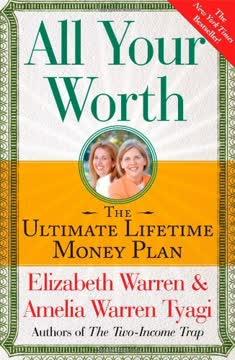
**Author:** Elizabeth Warren **Estimated Reading Time:** 35 minutes
**What You'll Learn:** - How to balance your money so you always have enough - Why the 50/30/20 rule works when other budgets fail - How to escape the thinking traps that keep you stuck - Why paying off debt is the best investment you can make - How to build lasting financial security without deprivation
**Who This Book Is For:** Anyone who has ever felt that no matter how much they earn, there is never quite enough. If you have tried budgeting and failed, if you feel guilty about spending, if debt keeps you up at night, or if you simply want a clear path to financial peace, this book was written for you.
There is a quiet anxiety that follows millions of people through their daily lives. It sits with them at the kitchen table while they sort through bills. It rides along in the car on the way to work. It whispers late at night when sleep should come easily but does not. The anxiety is about money. Most people do not talk about this anxiety openly. Money remains one of the last great taboos, a subject more private than politics or religion. We pretend everything is fine. We smile and say things are going well. But underneath, many people carry a persistent worry that they are one missed paycheck, one medical bill, one unexpected repair away from serious trouble. Elizabeth Warren spent decades studying why families struggle financially. As a professor at Harvard Law School specializing in bankruptcy, she examined thousands of cases of people who had reached the end of their financial rope. What she discovered challenged conventional wisdom about why people fail with money. The common assumption is that financial trouble comes from irresponsibility. People spend too much on luxuries. They lack discipline. They make poor choices. But Warren's research revealed something different. Most people who filed for bankruptcy were not extravagant spenders. They were not buying designer clothes or taking lavish vacations. They were ordinary people who had been hit by job loss, illness, divorce, or simply the slow squeeze of rising costs against stagnant wages. Yet Warren also discovered something hopeful. The people who managed their money well, even on modest incomes, shared certain habits. They had found a way to balance their financial lives so that they could pay their bills, enjoy some pleasures, and still put money aside for the future. They were not necessarily earning more than anyone else. They had simply discovered a better way to manage what they had. This book is built around that discovery. It offers a simple, sustainable approach to money that works for real people…
Continue reading in the MinuteRead app
Get the complete 30-minute summary of All Your Worth
Get the complete summary in the appDivide your after-tax income: fifty percent for Must-Haves, thirty percent for Wants, twenty percent for Savings.
Focus on big expenses like housing, transportation, and insurance rather than small expenses like coffee and subscriptio
Recognize and challenge thinking traps like all-or-nothing thinking and waiting for the money bunny.
Make room for fun in your budget. A plan without enjoyment will fail.
Pay off high-interest debt before anything else. It is the best investment you can make.
Save in stages: first one thousand dollars, then pay off debt, then build a six-month Security Fund, then pursue long-te
"All Your Worth" is a strong fit if you want practical ideas around finance, personal finance, money, especially themes like divide your after-tax income: fifty percent for must-haves, thirty percent for wants, twenty percent for savings; focus on big expenses like housing, transportation, and insurance rather than small expenses like coffee and subscriptio. The MinuteRead summary distills these concepts into a focused read, whether you're deciding whether to buy the book or applying its lessons at work.
Elizabeth Warren is a prominent American politician and academic, currently serving as a U.S. Senator from Massachusetts. As a Harvard Law School professor, she specialized in bankruptcy and commercial law, focusing on middle-class economics. Warren gained national recognition for her role in overseeing the banking bailout following the 2008 financial crisis. She advocated for the creation of the Consumer Financial Protection Agency, which was established in 2010. Warren's expertise in consumer …
View all summaries by Elizabeth WarrenContinue Reading
Access the complete 30-minute summary and thousands more nonfiction books in the MinuteRead app.

Continue reading the complete summary in the MinuteRead app.