MinuteRead
30 min
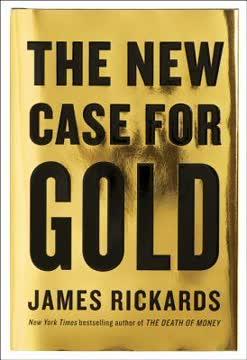
Book summary
Premium summary · Opens in the app · 30 min read
Every few decades, the world discovers that its monetary system does not work. The realization rarely comes gradually. It arrives suddenly, often on a Monday morning, when markets refuse to open, when banks close their doors, when a currency that seemed permanent loses half its value in a week. People look around and ask the same question their grandparents asked: What actually has value here?
**Author:** James Rickards
**Estimated Reading Time:** 45 minutes
**What You'll Learn:**
- Why gold is not an investment but the purest form of money ever discovered - How physical gold protects wealth when financial systems fail - Why central banks secretly manipulate gold prices and why their efforts always collapse - The real threats to digital wealth that almost no one considers - A practical framework for owning gold without falling into common traps
**Who This Book Is For:**
This book is for anyone who senses that something is wrong with the global financial system but cannot quite articulate what it is. It is for investors who have watched markets become increasingly disconnected from reality and wonder what, if anything, holds real value. It is for people who want to understand why gold has survived every monetary experiment in human history while countless paper currencies have vanished into worthlessness. If you have ever wondered whether your savings are truly safe, this book will change how you think about wealth.
Every few decades, the world discovers that its monetary system does not work. The realization rarely comes gradually. It arrives suddenly, often on a Monday morning, when markets refuse to open, when banks close their doors, when a currency that seemed permanent loses half its value in a week. People look around and ask the same question their grandparents asked: What actually has value here? James Rickards has spent his career studying these moments. As a lawyer, economist, and investment banker who has advised the Pentagon and the CIA on financial warfare, he has seen the machinery of global finance from the inside. He knows something that most financial advisors will never tell you: the system is fragile. Not fragile in the way that all complex systems are fragile, but fragile in a specific, predictable way. It is built on layers of confidence, and confidence can evaporate overnight. The problem is not that people do not understand gold. The problem is that they have been taught to misunderstand it. For decades, mainstream financial commentary has dismissed gold as a relic, a barbarous metal that produces no yield and serves no purpose in a modern economy. Why own gold when you can own stocks that pay dividends, bonds that pay interest, or real estate that generates rent? This argument sounds reasonable until you examine what it actually assumes. It assumes that the financial system will continue functioning. It assumes that the digital records representing your wealth will remain accessible. It assumes that the currency in which your assets are denominated will retain its value. These assumptions have failed repeatedly throughout history, and they will fail again. Rickards wrote this book because he…
Continue reading in the MinuteRead app
Get the complete 30-minute summary of The New Case for Gold
Get the complete summary in the appGold is money, not an investment. Its lack of yield reflects its lack of risk.
Physical gold is insurance against systemic risk. Paper gold is not.
Central banks manipulate gold prices, but manipulation always fails.
Every fiat currency in history has failed. Gold has survived.
The international monetary system is heading toward collapse.
Digital wealth is vulnerable. Physical gold is immune.
"The New Case for Gold" is a strong fit if you want practical ideas around economics, finance, business, especially themes like gold is money, not an investment. its lack of yield reflects its lack of risk; physical gold is insurance against systemic risk. paper gold is not. The MinuteRead summary distills these concepts into a focused read, whether you're deciding whether to buy the book or applying its lessons at work.
James Rickards is an American lawyer, economist, and investment banker with over three decades of experience in capital markets. He has worked on Wall Street and advised various financial institutions and government agencies. Rickards is known for his expertise in global finance, currency wars, and the role of gold in the modern economy. He has authored several books on these topics, including "Currency Wars" and "The Death of Money." Rickards often presents controversial views on the future of …
View all summaries by James RickardsContinue Reading
Access the complete 30-minute summary and thousands more nonfiction books in the MinuteRead app.

Continue reading the complete summary in the MinuteRead app.