MinuteRead
30 min
Book summary
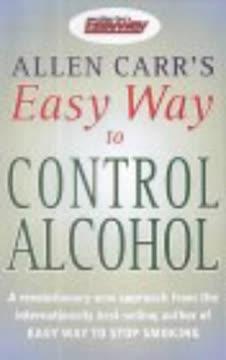
by Allen Carr
Premium summary · Opens in the app · 30 min read
Imagine discovering that something you have believed your entire life was never true. Not a small belief, but one woven into the fabric of your daily existence, reinforced by everyone around you, celebrated in your culture, and embedded in your most cherished memories. Now imagine that this false belief has been quietly destroying your health, draining your finances, and limiting your potential for decades.
**Author:** Allen Carr
**Estimated Reading Time:** 45 minutes
**What You'll Learn:**
- Why alcohol provides no genuine pleasure or benefit - How societal conditioning keeps you trapped - Why willpower is the wrong approach to quitting - The truth about withdrawal and addiction - How to free yourself permanently by changing your mindset
**Who This Book Is For:**
Anyone who drinks regularly, wonders if they drink too much, has tried to quit and failed, or simply wants to understand the true nature of alcohol's hold on modern society. Whether you consider yourself a heavy drinker or a "normal" social drinker, this book challenges everything you believe about alcohol.
Imagine discovering that something you have believed your entire life was never true. Not a small belief, but one woven into the fabric of your daily existence, reinforced by everyone around you, celebrated in your culture, and embedded in your most cherished memories. Now imagine that this false belief has been quietly destroying your health, draining your finances, and limiting your potential for decades. This is precisely the situation facing anyone who drinks alcohol. Allen Carr spent years trapped in addiction himself. He smoked a hundred cigarettes a day for over three decades. When he finally discovered a way to break free, he realized something profound: the method that worked for him was not about willpower, discipline, or deprivation. It was about seeing the truth clearly for the first time. After helping millions of people quit smoking, Carr turned his attention to alcohol. What he found shocked him. The same mechanisms that kept smokers trapped were operating in the world of drinking, but with even greater cultural reinforcement. Alcohol is celebrated in ways cigarettes never were. It appears at weddings, funerals, business deals, first dates, and quiet evenings at home. It is marketed as sophisticated, glamorous, and essential to adult life. Yet beneath this glittering surface lies a simple truth that almost no one acknowledges: alcohol is a poison. It provides no genuine benefits. Every perceived advantage comes from relieving the discomfort that alcohol itself creates. This book is not about moderation. It is not about cutting back or learning to drink responsibly. It is about freedom. Complete, permanent freedom from the illusion that alcohol adds anything to your life. The problem with most approaches to quitting is that they start from the wrong premise. They assume you are making a sacrifice. They assume alcohol provides pleasure, relaxation, and social confidence, and that giving it up means losing these benefits. This assumption guarantees failure because no one wants to live a life of deprivation. Carr's approach is fundamentally different. He does not ask you to give up anything valuable. Instead, he shows…
Continue reading in the MinuteRead app
Get the complete 30-minute summary of Easy Way to Control Alcohol
Get the complete summary in the appAlcohol is a poisonous drug that provides no genuine benefits.
The pleasure you feel when drinking is actually relief from withdrawal symptoms that alcohol itself created.
The descent from casual drinking to addiction is gradual, imperceptible, and inevitable for anyone who drinks regularly.
The only difference between alcoholics and normal drinkers is the stage they have reached in their downward slide.
Willpower is not the answer because it assumes you are making a sacrifice, which guarantees failure.
The fear of withdrawal is largely unfounded. Physical withdrawal is mild for most people.
"Easy Way to Control Alcohol" is a strong fit if you want practical ideas around health & fitness, self help, health, especially themes like alcohol is a poisonous drug that provides no genuine benefits; the pleasure you feel when drinking is actually relief from withdrawal symptoms that alcohol itself created. The MinuteRead summary distills these concepts into a focused read, whether you're deciding whether to buy the book or applying its lessons at work.
Allen Carr was a British author known for his books on quitting smoking and overcoming psychological dependencies, including alcohol addiction. He gained prominence after developing the "Easyway" method to quit smoking, which he personally used to overcome his 33-year, hundred-cigarettes-a-day habit. Carr's approach focused on changing the reader's perspective on addiction rather than relying on willpower. His success with smoking cessation led him to apply similar principles to other addictions…
View all summaries by Allen CarrContinue Reading
Access the complete 30-minute summary and thousands more nonfiction books in the MinuteRead app.

Continue reading the complete summary in the MinuteRead app.