MinuteRead
30 min
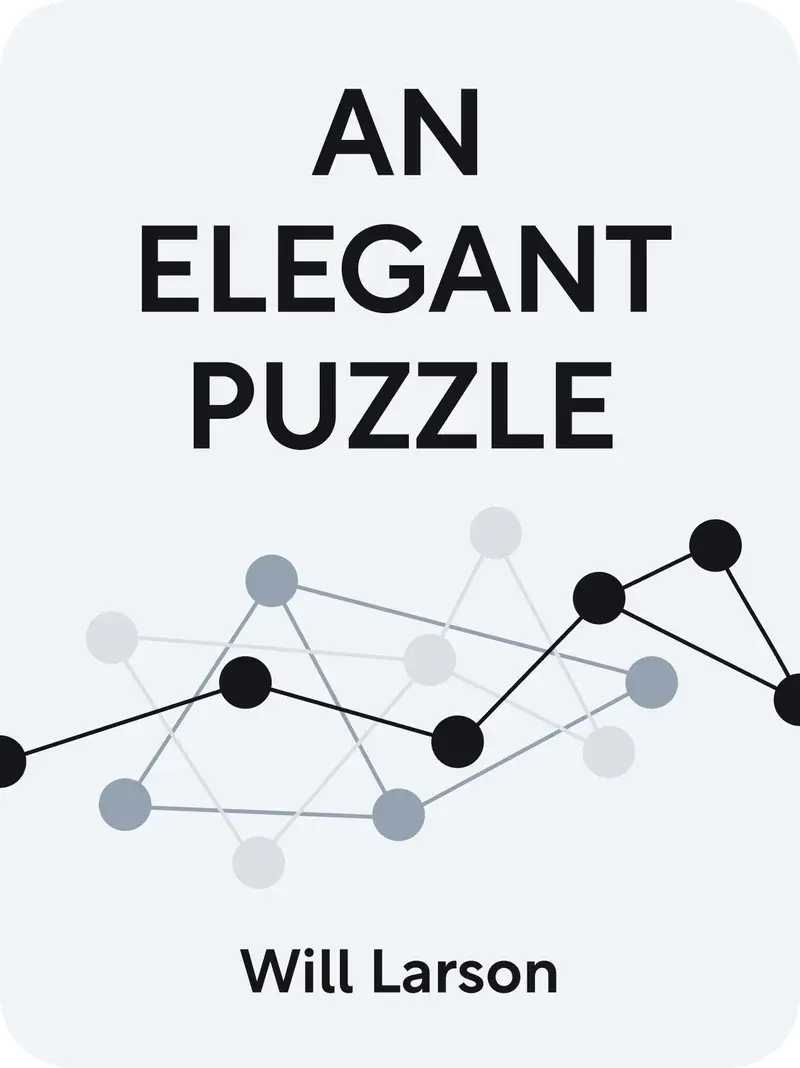
Book summary
by Will Larson
Premium summary · Opens in the app · 30 min read
Every engineering organization eventually hits the same wall. The practices that worked with ten people stop working with thirty. The communication patterns that felt effortless at fifty become chaotic at one hundred and fifty. The informal leadership that guided a single team becomes a bottleneck across five. Growth, the very thing everyone celebrates, quietly breaks the systems that made success possible in the first place.
**Author:** Will Larson **Estimated Reading Time:** 45 minutes
**What You'll Learn:** How to design engineering organizations that create energy instead of friction, why systems thinking transforms management decisions, and how to build teams, careers, and processes that scale gracefully.
**Who This Book Is For:** Engineering managers, technical leads, directors, and anyone navigating the messy intersection of people, technology, and organizational growth. If you have ever wondered why some teams hum with momentum while others drown in politics, this book is for you.
Every engineering organization eventually hits the same wall. The practices that worked with ten people stop working with thirty. The communication patterns that felt effortless at fifty become chaotic at one hundred and fifty. The informal leadership that guided a single team becomes a bottleneck across five. Growth, the very thing everyone celebrates, quietly breaks the systems that made success possible in the first place. Will Larson has spent his career inside this problem. He has worked at companies like Digg, Uber, and Stripe, watching organizations double and triple in size while trying to keep the machinery of engineering running smoothly. What he discovered is that most management advice fails because it treats organizations as collections of individuals rather than as systems. It offers tactics without strategy, fixes without diagnosis, and motivation without structure. The result is heat: friction between teams, frustration among engineers, and the politics that emerge when unclear ownership collides with scarce resources. Some organizations, however, seem to generate something different. They produce energy. People know what they are supposed to do. Decisions get made without endless escalation. Careers advance through clear pathways. Teams ship software without burning out. The difference is not luck or culture or hiring geniuses. The difference is organizational design. This book is an attempt to understand that difference. It is not a collection of motivational stories or abstract leadership principles. It is a practical examination of the systems that make engineering organizations function: team structures, management spans, hiring processes, career ladders, planning mechanisms, and decision-making frameworks. Each of these is a puzzle piece. Fitted together well, they create an organization that amplifies the work of its people. Fitted together poorly, they create the friction that makes everyone's job harder. Larson's approach is distinctive because he treats management as an engineering discipline. He applies the same systems thinking that engineers use to debug complex software to the challenge of debugging complex organizations. He looks for feedback loops, identifies bottlenecks, measures what matters, and designs interventions that address root causes rather than symptoms. This is not the soft science of feelings and intuition. It is the hard work of understanding how systems behave and designing them to behave better. The book's title…
Continue reading in the MinuteRead app
Get the complete 30-minute summary of An Elegant Puzzle
Get the complete summary in the appTeams should have six to eight engineers. Managers should support six to eight people. Managers-of-managers should overs
Good goals include a target, a baseline, a trend, and a time frame. Pair investment goals with baseline metrics to preve
Hiring is a system, not an art. Instrument each stage of the funnel to identify bottlenecks.
Career ladders provide clarity and consistency. Performance management should be continuous, not annual.
Systems thinking is the most effective tool for solving complex problems. Address root causes, not symptoms.
Change management is a learnable skill. Clear communication, stakeholder involvement, and resource provision are essenti
"An Elegant Puzzle" is a strong fit if you want practical ideas around management, leadership, business, especially themes like teams should have six to eight engineers. managers should support six to eight people. managers-of-managers should overs; good goals include a target, a baseline, a trend, and a time frame. pair investment goals with baseline metrics to preve. The MinuteRead summary distills these concepts into a focused read, whether you're deciding whether to buy the book or applying its lessons at work.
Will Larson is an experienced engineering leader who has worked at high-growth tech companies such as Stripe, Digg, and Uber. He draws on his practical experience to provide insights into engineering management, focusing on systems thinking and organizational challenges. Larson's writing style is described as concise and pragmatic, offering specific advice rather than general theories. He maintains a blog where he shares his thoughts on engineering management, which formed the basis for this boo…
View all summaries by Will LarsonContinue Reading
Access the complete 30-minute summary and thousands more nonfiction books in the MinuteRead app.

Continue reading the complete summary in the MinuteRead app.