MinuteRead
30 min
Book summary
Premium summary · Opens in the app · 30 min read
Every day, in boardrooms and living rooms, in car dealerships and church basements, a quiet contest plays out. It is not a contest of strength or intelligence in the traditional sense. It is a contest of perception, timing, and psychological insight. The prize is influence. The method is manipulation.
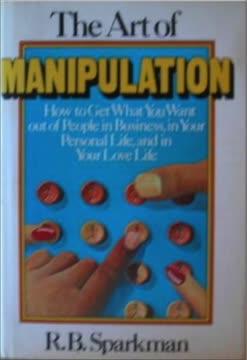
**Author:** R.B. Sparkman **Estimated Reading Time:** 45 minutes
**What You'll Learn:**
- Why a small percentage of people consistently control outcomes while others follow - How to recognize when someone is manipulating you before it is too late - The psychological principles that make people susceptible to influence - Practical techniques for ethical persuasion in negotiations and relationships - How to protect yourself financially and emotionally from manipulation
**Who This Book Is For:**
This book is for anyone who has ever walked away from a conversation feeling outmaneuvered, anyone who has signed a deal and later wondered what happened, and anyone who wants to understand the hidden dynamics that shape human interactions. It is for negotiators, salespeople, managers, and individuals who want to recognize influence when it happens to them and use it responsibly when they need it.
Every day, in boardrooms and living rooms, in car dealerships and church basements, a quiet contest plays out. It is not a contest of strength or intelligence in the traditional sense. It is a contest of perception, timing, and psychological insight. The prize is influence. The method is manipulation. Most people are uncomfortable with that word. It carries connotations of deceit and exploitation. Yet manipulation, at its core, is simply the deliberate shaping of another person's perceptions, emotions, or decisions. It happens constantly. Parents manipulate children into eating vegetables. Salespeople manipulate customers into feeling urgency. Friends manipulate each other into trying new restaurants. The question is not whether manipulation exists. The question is whether you understand it well enough to recognize it and use it wisely. R.B. Sparkman wrote this book from an unusual vantage point. As a journalist, he spent years observing people in high-stakes situations. He watched politicians evade questions, salespeople close deals, and ordinary individuals navigate complex social hierarchies. What he noticed was a pattern. A small percentage of people, perhaps five percent, seemed to understand something about human nature that everyone else missed. These people did not necessarily have more education, more money, or more talent. They had something else: a working knowledge of how people actually think and behave, as opposed to how they claim to think and behave. The other ninety-five percent operate on assumptions. They assume that people are generally honest, that logic drives decisions, that fairness matters in negotiations. The five percent know better. They know that people are driven by emotion, that appearances matter more than reality, and that the person who controls the frame controls the outcome. This book is not a moral treatise. Sparkman does not spend much time debating whether manipulation is good or bad. His point is more practical: manipulation is a tool, and like any tool, it can…
Continue reading in the MinuteRead app
Get the complete 30-minute summary of Art of Manipulation
Get the complete summary in the appFive percent of people understand human nature well enough to influence outcomes consistently. Learn to see the game.
Excessive reassurance is a red flag. Trust actions, not words.
People want what they cannot have. Intermittent reinforcement creates dependency.
Relationships matter as much as skills. Build genuine connections with people who can help you.
The person who can walk away has the power. Develop options before you negotiate.
Meekness disarms adversaries. Persistence overcomes obstacles. Combine both.
"Art of Manipulation" is a strong fit if you want practical ideas around psychology, self help, business, especially themes like five percent of people understand human nature well enough to influence outcomes consistently. learn to see the game; excessive reassurance is a red flag. trust actions, not words. The MinuteRead summary distills these concepts into a focused read, whether you're deciding whether to buy the book or applying its lessons at work.
R. B. Sparkman, the author of "The Art of Manipulation," draws from his experience as a journalist to provide insights into manipulative behavior. R. B. Sparkman's background in journalism likely influenced his ability to observe and analyze human interactions. The book's practical approach suggests Sparkman's focus on real-world applications rather than theoretical concepts. His writing style is described as clear and concise, making complex psychological concepts accessible to a general audien…
View all summaries by R.B. SparkmanContinue Reading
Access the complete 30-minute summary and thousands more nonfiction books in the MinuteRead app.

Continue reading the complete summary in the MinuteRead app.