MinuteRead
30 min
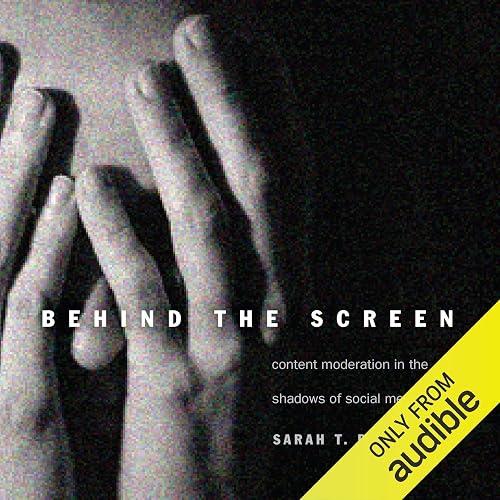
Book summary
by Sarah T. Roberts
Premium summary · Opens in the app · 30 min read
Every minute of every day, hundreds of hours of video are uploaded to YouTube. Millions of images appear on Instagram. Countless posts flood Facebook, TikTok, and X. Some of this content is wonderful: births announced, talents showcased, communities formed. Some of it is mundane: meals photographed, thoughts shared, opinions aired. And some of it is horrifying: beheadings, child sexual abuse material, graphic violence, hate speech, torture, and cruelty of every imaginable variety.
**Author:** Sarah T. Roberts
**Estimated Reading Time:** 45 minutes
**What You'll Learn:**
- Who actually decides what you see and don't see on social media - Why the people doing this work remain deliberately invisible - What happens to workers who spend their days watching humanity's worst content - How global labor markets and colonial history shape the modern internet - Why artificial intelligence cannot yet replace human moderators - What the hidden costs of a "clean" internet really are
**Who This Book Is For:**
Anyone who uses social media, which is to say nearly everyone. If you have ever wondered why certain content disappears from your feed while other material remains, if you have questioned how platforms decide what crosses the line, or if you have assumed that algorithms alone manage the internet's darker corners, this book will fundamentally change your understanding of the digital world you inhabit every day.
Every minute of every day, hundreds of hours of video are uploaded to YouTube. Millions of images appear on Instagram. Countless posts flood Facebook, TikTok, and X. Some of this content is wonderful: births announced, talents showcased, communities formed. Some of it is mundane: meals photographed, thoughts shared, opinions aired. And some of it is horrifying: beheadings, child sexual abuse material, graphic violence, hate speech, torture, and cruelty of every imaginable variety. The internet presents itself as a place of frictionless expression. You type, you post, you share. The platforms that host this activity cultivate an image of neutrality, as though they are merely providing the pipes through which human expression flows. Their marketing materials emphasize connection, creativity, and community. Their CEOs speak of giving everyone a voice. But behind this carefully constructed facade lies an enormous apparatus of human labor that almost no one sees. Thousands upon thousands of workers, scattered across the globe, spend their days looking at the worst things human beings can produce. They watch videos of murders. They examine images of child abuse. They read hate speech and threats of violence. They assess whether content violates rules that most users have never read and will never see. And they do this work quickly, under pressure, often for low pay, with minimal support, and under strict instructions to tell no one what they do. These workers are commercial content moderators. They are the invisible gatekeepers of the contemporary internet. They decide what stays and what goes, what is acceptable and what crosses the line, what millions of people will see and what will be quietly removed before it can spread. They are the reason your social media feed is not a constant stream of graphic violence and abuse. They are the reason brands feel safe…
Continue reading in the MinuteRead app
Get the complete 30-minute summary of Behind the Screen
Get the complete summary in the appCommercial content moderators are paid workers who review user-generated content on behalf of social media platforms.
This work is essential to the functioning of the internet, but it is deliberately hidden from public view.
Most moderators are employed by third-party firms, not by the platforms themselves.
Moderators are exposed to traumatic content on a daily basis, leading to psychological harm including PTSD symptoms.
Support for moderation workers is often inadequate or nonexistent.
Content moderation policies are not neutral. They reflect corporate values and priorities, primarily brand protection.
"Behind the Screen" is a strong fit if you want practical ideas around technology, sociology, internet, especially themes like commercial content moderators are paid workers who review user-generated content on behalf of social media platforms; this work is essential to the functioning of the internet, but it is deliberately hidden from public view. The MinuteRead summary distills these concepts into a focused read, whether you're deciding whether to buy the book or applying its lessons at work.
Motivated to help readers with commercial content moderators are professional people paid to screen content uploaded to the internet’s, Sarah T. Roberts wrote “Behind the Screen” to package those ideas for a fast, focused read. In “Behind the Screen”, Sarah T. Roberts focuses on commercial content moderators are professional people paid to screen content uploaded to the internet’s. Through “Behind the Screen”, Sarah T. Roberts distills the core ideas on technology into lessons readers can absorb…
Continue Reading
Access the complete 30-minute summary and thousands more nonfiction books in the MinuteRead app.

Continue reading the complete summary in the MinuteRead app.