MinuteRead
30 min
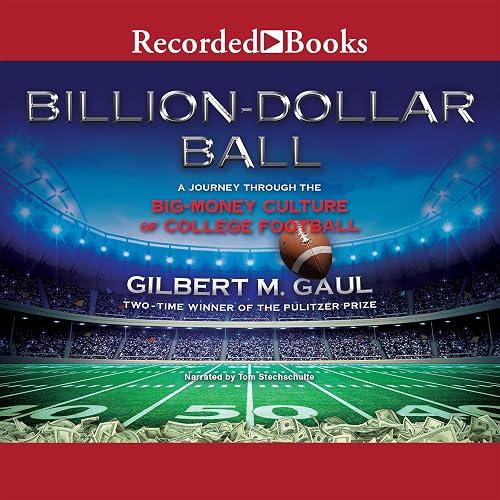
Book summary
by Gilbert M. Gaul
Premium summary · Opens in the app · 30 min read
Every autumn Saturday, millions of Americans participate in a ritual so familiar it feels natural. They drive to stadiums that seat more people than many small cities. They pay hundreds of dollars for tickets, hundreds more for parking, and thousands for the right to purchase premium seats. They wear team colors, sing fight songs, and feel genuine emotional connection to eighteen-year-old athletes they will never meet.
**Author:** Gilbert M. Gaul
**Estimated Reading Time:** 45 minutes
**What You'll Learn:**
- How college football became a multi-billion dollar business operating inside nonprofit universities - Why taxpayers subsidize luxury seating at college stadiums - How coaching contracts became irrational financial commitments - What happens to athletes who enter a system designed for football, not education - Why meaningful reform has failed despite decades of promises
**Who This Book Is For:**
Anyone who watches college football, pays taxes, attended a university with a major athletic program, or wonders why a "student activity" generates more revenue than most corporations. This book is for people who sense something is wrong with college sports but cannot articulate exactly what. It is also for those who defend the system and want to understand the strongest arguments against it.
Every autumn Saturday, millions of Americans participate in a ritual so familiar it feels natural. They drive to stadiums that seat more people than many small cities. They pay hundreds of dollars for tickets, hundreds more for parking, and thousands for the right to purchase premium seats. They wear team colors, sing fight songs, and feel genuine emotional connection to eighteen-year-old athletes they will never meet. Most of them never ask a simple question: Where does all this money go? Gilbert M. Gaul, a Pulitzer Prize-winning investigative journalist, spent years asking that question. What he found was not a simple story of greedy administrators or exploited athletes. He found something stranger and more interesting: a vast commercial enterprise operating inside nonprofit institutions, shielded from taxes, protected by politicians, and driven by a logic that almost no one inside the system questions. The numbers are staggering. Top programs generate over $100 million annually. The University of Texas reported $80 million in profit from football in a single year. Coaches earn more than university presidents, sometimes by factors of ten or twenty. Athletic departments build luxury suites, install multistory video boards, and charter private flights while academic departments struggle with budget cuts. But the money is only part of the story. The deeper question is about values. Universities exist to educate students, conduct research, and serve the public good. When a university spends $400,000 per football player while spending $14,000 per regular student, something has shifted. When a football player on scholarship receives $25,000 in aid while an honors student receives $2,250, the institution is making a statement about its priorities. Gaul's investigation reveals that college football is not merely a sport. It is an economic system with its own rules, its own incentives, and its own powerful defenders. The system works brilliantly for coaches, athletic directors, television executives, and wealthy boosters. It works less well for the…
Continue reading in the MinuteRead app
Get the complete 30-minute summary of Billion-Dollar Ball
Get the complete summary in the appCollege football is a multi-billion dollar business operating inside nonprofit universities.
Football revenue stays within athletic departments and does not support academic programs.
Seat donations are 80 percent tax-deductible, costing taxpayers $250 million annually.
Coaching salaries and buyouts are irrational, transferring wealth from universities to coaches regardless of performance
Football players receive academic support designed to maintain eligibility, not to educate.
At Auburn, the school spent $400,000 per football player and $14,000 per regular student.
"Billion-Dollar Ball" is a strong fit if you want practical ideas around sports, football, business, especially themes like college football is a multi-billion dollar business operating inside nonprofit universities; football revenue stays within athletic departments and does not support academic programs. The MinuteRead summary distills these concepts into a focused read, whether you're deciding whether to buy the book or applying its lessons at work.
Motivated to help readers with football is the train that drives everything and pays for everything, Gilbert M. Gaul wrote “Billion-Dollar Ball” to package those ideas for a fast, focused read. In “Billion-Dollar Ball”, Gilbert M. Gaul focuses on football is the train that drives everything and pays for everything. Through “Billion-Dollar Ball”, Gilbert M. Gaul distills the core ideas on sports into lessons readers can absorb in a single short sitting. Readers turn to this work when they want Gi…
Continue Reading
Access the complete 30-minute summary and thousands more nonfiction books in the MinuteRead app.

Continue reading the complete summary in the MinuteRead app.