MinuteRead
30 min
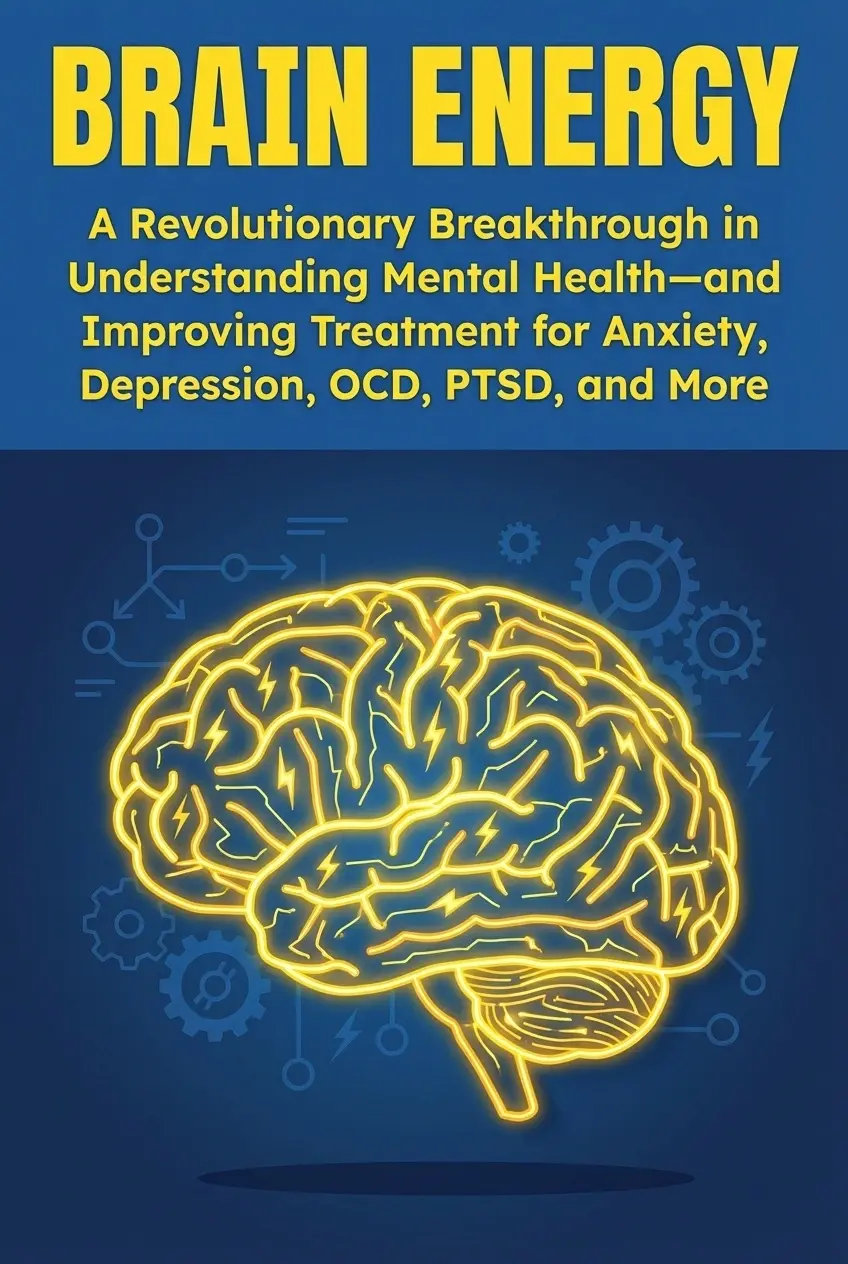
For decades, we have been told a simple story about mental illness. Depression is caused by a chemical imbalance. Schizophrenia is a brain disease. Anxiety is the result of faulty thinking. ADHD is a problem with attention regulation. Each diagnosis has its own label, its own set of symptoms, and its own medications. The story is clean, familiar, and reassuring.
**Author:** Christopher M. Palmer, MD **Estimated Reading Time:** 45 minutes
**What You'll Learn:** - Why mental disorders may actually be metabolic disorders of the brain - How mitochondria, the tiny powerhouses inside your cells, connect to anxiety, depression, ADHD, and more - Why current psychiatric treatments often fall short and what to do about it - Practical, evidence-based strategies involving diet, sleep, exercise, and lifestyle that can transform mental health - A new framework for understanding mental illness that unifies seemingly unrelated symptoms and conditions
**Who This Book Is For:** Anyone who has struggled with mental health challenges, felt failed by conventional treatments, or wants to understand the deeper biological roots of conditions like depression, anxiety, bipolar disorder, and schizophrenia. It is also for clinicians, therapists, and curious readers who sense that our current approach to mental illness is incomplete and are ready for a paradigm shift.
For decades, we have been told a simple story about mental illness. Depression is caused by a chemical imbalance. Schizophrenia is a brain disease. Anxiety is the result of faulty thinking. ADHD is a problem with attention regulation. Each diagnosis has its own label, its own set of symptoms, and its own medications. The story is clean, familiar, and reassuring. There is only one problem. The story is not working. Despite billions of dollars poured into research, despite the development of dozens of psychiatric medications, despite the destigmatization of therapy and mental health care, outcomes for people with mental disorders have not improved dramatically. In fact, some measures suggest they have gotten worse. More people than ever are diagnosed with depression, anxiety, bipolar disorder, and ADHD. Disability rates from mental illness continue to climb. Suicide rates have not fallen. Many people cycle through medications, experiencing side effects, partial relief, relapse, and frustration. Something fundamental is missing from our understanding. Christopher M. Palmer, a psychiatrist at Harvard Medical School, spent years working with patients who did not get better. He prescribed the standard medications, followed the standard protocols, and watched as many of his patients continued to suffer. Some improved temporarily. Some did not improve at all. Some got worse. He began asking a question that would eventually reshape his entire career: What if we have been looking at mental illness the wrong way? The answer he arrived at is both radical and remarkably simple. Mental disorders, he argues, are not mysterious brain diseases or purely psychological problems. They are metabolic disorders of the brain. This idea sounds abstract at first, but its implications are enormous. Metabolism is the process by which your cells convert food and oxygen into energy. Every cell in your body depends on this process. Your brain depends on it…
Continue reading in the MinuteRead app
Get the complete 30-minute summary of Brain Energy
Get the complete summary in the appMental disorders are metabolic disorders of the brain.
Mitochondria are the powerhouses of cells and play a central role in mental health.
The chemical imbalance theory is incomplete and does not explain many aspects of mental illness.
Genetic risk is not destiny. Environment and lifestyle matter.
Chronic inflammation and stress impair mitochondrial function and contribute to mental illness.
Diet, exercise, and sleep are powerful tools for improving mental health.
"Brain Energy" is a strong fit if you want practical ideas around health & fitness, health, psychology, especially themes like mental disorders are metabolic disorders of the brain; mitochondria are the powerhouses of cells and play a central role in mental health. The MinuteRead summary distills these concepts into a focused read, whether you're deciding whether to buy the book or applying its lessons at work.
Christopher M. Palmer, MD is a Harvard psychiatrist and researcher specializing in the connection between metabolism and mental health. His work focuses on developing new treatments for psychiatric disorders based on metabolic interventions. Christopher M. Palmer MD has extensive clinical experience treating patients with severe mental illnesses. He is an Assistant Professor of Psychiatry at Harvard Medical School and has published numerous scientific papers on metabolism and mental health. Palm…
View all summaries by Christopher M. PalmerContinue Reading
Access the complete 30-minute summary and thousands more nonfiction books in the MinuteRead app.

Continue reading the complete summary in the MinuteRead app.