MinuteRead
30 min
Book summary
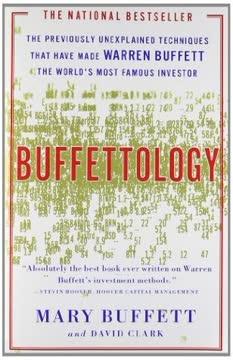
by Mary Buffett
Premium summary · Opens in the app · 30 min read
Most people approach the stock market the wrong way. They treat stocks as pieces of paper whose prices bounce around unpredictably, driven by forces they cannot understand or control. They watch financial news, react to headlines, and make decisions based on fear or excitement. They buy when prices are rising because everyone else is buying, and they sell when prices fall because panic sets in. The result, for the vast majority of investors, is mediocre returns at best and devastating losses at
**Author:** Mary Buffett
**Estimated Reading Time:** 45 minutes
**What You'll Learn:**
- The core principles behind Warren Buffett's extraordinary investment success - How to identify companies with durable competitive advantages - Why the price you pay determines your ultimate return - How to think about compounding, inflation, and taxes as an investor - A practical framework for building a concentrated, long-term portfolio
**Who This Book Is For:**
This book is for anyone who wants to understand the logic behind one of the most successful investment careers in history. Whether you are a beginning investor trying to build a foundation, an experienced professional seeking to sharpen your thinking, or simply someone curious about how great businesses create wealth over time, the principles in these pages will change how you view the stock market. No advanced financial training is required. What is required is a willingness to think differently about what it means to own a piece of a business.
Most people approach the stock market the wrong way. They treat stocks as pieces of paper whose prices bounce around unpredictably, driven by forces they cannot understand or control. They watch financial news, react to headlines, and make decisions based on fear or excitement. They buy when prices are rising because everyone else is buying, and they sell when prices fall because panic sets in. The result, for the vast majority of investors, is mediocre returns at best and devastating losses at worst. Warren Buffett never played this game. From his earliest days as an investor, he understood something that most people never grasp: a stock is not a ticker symbol. A stock is a fractional ownership interest in a real business. When you buy a share of Coca-Cola, you are not buying a piece of paper. You are buying a tiny slice of a company that sells billions of beverages every year, earns billions in profits, and has been doing so for more than a century. The question that matters is not what the stock price will do next week. The question that matters is whether the underlying business will be more valuable ten or twenty years from now than it is today. This distinction sounds simple, but it changes everything. When you think like a business owner rather than a stock trader, you start asking different questions. How does this company make money? Will it still be making money in twenty years? Can competitors take away its customers? Does it have the ability to raise prices without losing business? These are the questions that Buffett has asked throughout his career, and they have led him to extraordinary results. The problem for most investors is that they never learn to think…
Continue reading in the MinuteRead app
Get the complete 30-minute summary of Buffettology
Get the complete summary in the appInvest from a business perspective. A stock is a fractional ownership interest in a real company, not a piece of paper t
Seek consumer monopolies. Look for businesses with strong brands, loyal customers, and the ability to raise prices witho
The price you pay determines your rate of return. Even the best business can be a poor investment if you overpay.
High return on equity is a hallmark of a great business. Look for companies that sustain ROEs of 15 percent or higher ov
Retained earnings should be reinvested at above-average rates. Good capital allocation is essential to long-term value c
Use Mr. Market's mood swings to your advantage. Buy when prices are low, sell when prices are high.
"Buffettology" is a strong fit if you want practical ideas around finance, business, economics, especially themes like invest from a business perspective. a stock is a fractional ownership interest in a real company, not a piece of paper t; seek consumer monopolies. look for businesses with strong brands, loyal customers, and the ability to raise prices witho. The MinuteRead summary distills these concepts into a focused read, whether you're deciding whether to buy the book or applying its lessons at work.
Mary Buffett is a bestselling author, speaker, entrepreneur, and activist. She co-wrote her first book, Buffettology, in 1997, which became an instant success. Since then, she has authored seven bestselling books. Buffett is a frequent guest on major financial news networks and has spoken at prestigious events worldwide. Her diverse business experience includes consulting for Fortune 500 companies, working in the music industry, and teaching business and finance at universities. She has also bee…
View all summaries by Mary BuffettContinue Reading
Access the complete 30-minute summary and thousands more nonfiction books in the MinuteRead app.

Continue reading the complete summary in the MinuteRead app.