MinuteRead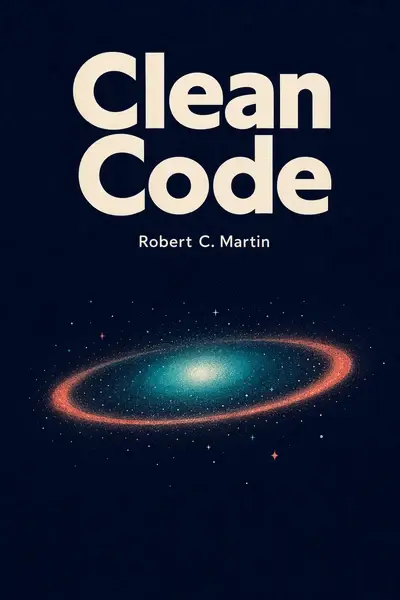
30 min
The software industry has a problem with memory. We adopt new methodologies with enthusiasm, declare victory prematurely, and then move on to the next trend without ever truly mastering what came before. Agile is the most prominent victim of this pattern.
**Author:** Robert C. Martin
**Estimated Reading Time:** 45 minutes
**What You'll Learn:**
- The true origins of Agile and why it was necessary - The core values and practices that make Agile work - Why technical excellence is inseparable from Agile success - How to navigate the messy reality of Agile transformation - What Agile means today and why its fundamentals still matter
**Who This Book Is For:**
Software developers who want to understand the deeper purpose behind Agile practices. Project managers and team leads navigating the tension between business demands and technical quality. Executives trying to understand why Agile transformations succeed or fail. Anyone who has ever been part of an Agile team and wondered if they were doing it right.
The software industry has a problem with memory. We adopt new methodologies with enthusiasm, declare victory prematurely, and then move on to the next trend without ever truly mastering what came before. Agile is the most prominent victim of this pattern. What began as a radical rethinking of how software gets built has become, in many organizations, a hollow shell of ceremonies and vocabulary. Teams hold daily standups. They move sticky notes across boards. They use words like sprint and backlog. Yet the software they produce remains late, buggy, and disconnected from what users actually need. Robert C. Martin, known throughout the industry as Uncle Bob, has watched this decline with growing concern. He was there at the beginning. He participated in the conversations that led to the Agile Manifesto. He has spent decades helping teams implement these ideas in real organizations with real constraints. And in Clean Agile, he offers something rare: a clear-eyed account of what Agile actually is, why it works, and what happens when we forget its foundations. The problem Martin identifies is not that Agile failed. The problem is that we never really gave it a chance. We adopted the rituals while ignoring the values. We embraced the vocabulary while rejecting the discipline. We wanted the benefits of Agile without the hard work that makes those benefits possible. This book is an attempt to correct that failure. It strips away the accumulated cruft of two decades of misinterpretation and returns to the essentials. It explains why Agile emerged as a response to the heavyweight processes of the 1990s. It walks through the practices that actually make a difference. And it confronts the uncomfortable truth that many organizations claiming to be Agile are nothing of the sort. What makes Martin's perspective valuable is his refusal to be impressed by novelty. He has seen methodologies come and go. He has watched the industry chase one silver bullet after another. Through it all, he has maintained…
Continue reading in the MinuteRead app
Get the complete 30-minute summary of Clean Agile
Get the complete summary in the appAgile is a set of values, not a set of rituals. The values are courage, communication, feedback, and simplicity.
You can have good, fast, cheap, or done. Pick three. You cannot have all four.
Story points measure relative size, not time. Velocity is for prediction, not pressure.
Deliver working software every iteration. Small releases reduce risk and build trust.
Acceptance tests are executable specifications. Write them before the code, not after.
Co-locate the whole team. Direct communication is faster and more reliable than documents.
"Clean Agile" is a strong fit if you want practical ideas around programming, technology, computer science, especially themes like agile is a set of values, not a set of rituals. the values are courage, communication, feedback, and simplicity; you can have good, fast, cheap, or done. pick three. you cannot have all four. The MinuteRead summary distills these concepts into a focused read, whether you're deciding whether to buy the book or applying its lessons at work.
Motivated to help readers with at that time, Robert C. Martin wrote “Clean Agile” to package those ideas for a fast, focused read. In “Clean Agile”, Robert C. Martin focuses on at that time. Through “Clean Agile”, Robert C. Martin distills the core ideas on programming into lessons readers can absorb in a single short sitting. Readers turn to this work when they want Robert C. Martin's perspective on the subject without working through the entire original volume. Robert Cecil Martin (born 5 Dece…
View all summaries by Robert C. MartinContinue Reading
Access the complete 30-minute summary and thousands more nonfiction books in the MinuteRead app.

Continue reading the complete summary in the MinuteRead app.