MinuteRead
30 min
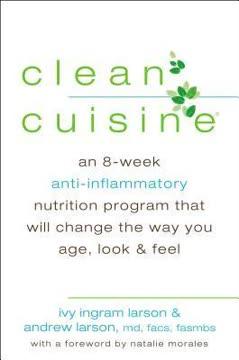
The modern food landscape presents a strange paradox. We have access to more food than any generation in human history, yet we are sicker, heavier, and more fatigued than ever before. Supermarket shelves overflow with products labeled "healthy," "natural," and "low-fat," while rates of obesity, diabetes, autoimmune conditions, and inflammatory diseases continue to climb. Something is fundamentally broken in the way we eat.
**Author:** Ivy Ingram Larson
**Estimated Reading Time:** 45 minutes
**What You'll Learn:** - Why whole foods in their most natural state are the foundation of lasting health - How phytonutrients from colorful plant foods fight inflammation and slow aging - The truth about carbohydrates, fats, and protein in a clean eating framework - How to support gut health through fermented foods and smart supplementation - A balanced approach to fitness that complements clean eating - Practical strategies for mindful eating and sustainable weight management
**Who This Book Is For:** This book is for anyone who has tried conventional diets and found them unsustainable. It is for people who want to understand the science behind food choices without getting lost in complexity. It is for those managing chronic conditions, seeking more energy, or simply wanting to build a healthier relationship with food. Whether you are new to clean eating or looking to deepen your existing practice, this book provides a comprehensive framework that is both practical and transformative.
The modern food landscape presents a strange paradox. We have access to more food than any generation in human history, yet we are sicker, heavier, and more fatigued than ever before. Supermarket shelves overflow with products labeled "healthy," "natural," and "low-fat," while rates of obesity, diabetes, autoimmune conditions, and inflammatory diseases continue to climb. Something is fundamentally broken in the way we eat. The problem is not a lack of information. Most people know they should eat more vegetables and less junk food. The problem is that the standard approach to healthy eating has become unnecessarily complicated, restrictive, and joyless. People bounce between diets that eliminate entire food groups, count every calorie, or require expensive specialty products. They lose weight temporarily, feel miserable in the process, and eventually return to their old habits. The cycle repeats, and each failure reinforces the belief that healthy eating is simply too hard. Ivy Ingram Larson understands this struggle intimately. She did not come to clean eating through a desire to lose a few pounds or follow a trend. She came to it through necessity. Diagnosed with multiple sclerosis at the age of twenty-two, Ivy faced a future of unpredictable neurological symptoms and progressive disability. Conventional medicine offered limited options. She knew she needed to do something different. What she discovered was not a miracle cure or a secret supplement. It was a return to the way humans ate before food became an industrial product. She found that consuming whole foods in their most natural, unrefined state had a profound effect on her health. Her energy improved. Her symptoms stabilized. Her body began to heal in ways that surprised even her doctors. Ivy did not make this…
Continue reading in the MinuteRead app
Get the complete 30-minute summary of Clean Cuisine
Get the complete summary in the appEat whole foods in their most natural, unrefined state.
Include colorful plant foods at every meal to maximize phytonutrient intake.
Choose clean carbohydrates: fruits, vegetables, whole grains, and legumes.
Embrace healthy fats from avocados, nuts, seeds, olive oil, and fatty fish.
Prioritize plant proteins while choosing high-quality animal proteins in moderation.
Include fermented foods regularly to support gut health.
"Clean Cuisine" is a strong fit if you want practical ideas around cookbooks, health, cooking, especially themes like eat whole foods in their most natural, unrefined state; include colorful plant foods at every meal to maximize phytonutrient intake. The MinuteRead summary distills these concepts into a focused read, whether you're deciding whether to buy the book or applying its lessons at work.
Ivy Larson is the author of Clean Cuisine, co-written with her husband, Dr. Andrew Larson. Ivy has personal experience with the book's anti-inflammatory approach, as she suffers from multiple sclerosis (MS). She found success in managing her condition through the nutritional principles outlined in the book. Ivy's background in nutrition, combined with her husband's medical expertise as a weight-loss surgeon, forms the foundation of their collaborative work. The couple's personal stories and expe…
View all summaries by Ivy Ingram LarsonContinue Reading
Access the complete 30-minute summary and thousands more nonfiction books in the MinuteRead app.

Continue reading the complete summary in the MinuteRead app.