MinuteRead
30 min
You are being outsmarted at every meal. Not by your own lack of willpower, not by your busy schedule, and not by your genes. You are being outsmarted by an industry that has spent decades perfecting the art of getting you to consume more sugar than you ever intended, often without your knowledge or consent.
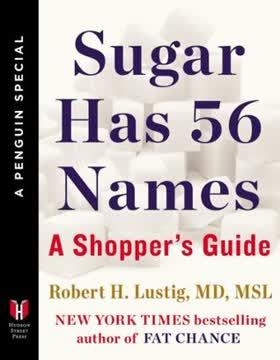
**Author:** Robert H. Lustig, M.D.
**Estimated Reading Time:** 45 minutes
**What You'll Learn:**
- Why sugar is hidden in nearly every processed food you eat - How the food industry exploits biochemistry to keep you hooked - Why a calorie is not just a calorie - The critical role of fiber in metabolic health - How to decode food labels and make informed choices - Practical strategies for eating well in a food environment designed against you
**Who This Book Is For:**
Anyone who has ever felt confused by food labels, struggled with weight despite counting calories, wondered why they cannot stop eating certain foods, or simply wants to understand what is really in the food they eat every day. This book is for parents, professionals, students, and anyone who suspects that the modern food supply is making us sick.
You are being outsmarted at every meal. Not by your own lack of willpower, not by your busy schedule, and not by your genes. You are being outsmarted by an industry that has spent decades perfecting the art of getting you to consume more sugar than you ever intended, often without your knowledge or consent. Consider this: there are fifty-six different names for sugar. Fifty-six. The food industry has mastered the art of distributing these various sugars throughout an ingredient list so that no single one appears too prominent. A product might list sugar as the fifth ingredient, dextrose as the seventh, maltose as the ninth, and barley malt as the eleventh. Individually, none of these seems alarming. Combined, they can easily add up to the largest single ingredient in the product. This is not an accident. It is a strategy. Robert Lustig is a pediatric endocrinologist who has spent his career treating children with obesity and metabolic diseases. He has watched firsthand as rates of type 2 diabetes, fatty liver disease, and other conditions once reserved for adults have exploded in children. His research led him to a conclusion that many in the medical establishment resisted for years: sugar is not simply empty calories. Sugar is a toxin when consumed in the quantities that have become normal in the modern diet. The problem is not just that sugar tastes good. The problem is that sugar has been woven so thoroughly into the fabric of our food supply that avoiding it requires constant vigilance. It is in bread. It is in pasta sauce. It is in salad dressing. It is in yogurt marketed as healthy. It is in foods that do not even taste sweet, where it functions as a preservative, a texture enhancer, or a browning agent. The average American consumes about 22 teaspoons of added sugar per day.…
Continue reading in the MinuteRead app
Get the complete 30-minute summary of Sugar Has 56 Names
Get the complete summary in the appSugar has fifty-six names, and the food industry uses them to hide the true sugar content of products.
A calorie is not a calorie. The source of the calorie determines its metabolic effects.
Fructose is metabolized exclusively by the liver and is converted directly into fat when consumed in excess.
Insulin is the key hormone in fat storage, and sugar causes the largest insulin spikes.
Fiber is your greatest ally. It slows sugar absorption and promotes satiety.
Processed foods are stripped of fiber, making their sugar content more rapidly absorbed.
"Sugar Has 56 Names" is a strong fit if you want practical ideas around health, nutrition, cookbooks, especially themes like sugar has fifty-six names, and the food industry uses them to hide the true sugar content of products; a calorie is not a calorie. the source of the calorie determines its metabolic effects. The MinuteRead summary distills these concepts into a focused read, whether you're deciding whether to buy the book or applying its lessons at work.
Robert H. Lustig, M.D. is a renowned pediatric endocrinologist specializing in childhood obesity and the effects of sugar on health. With over 16 years of experience, he has conducted extensive research on sugar's impact on the central nervous system, metabolism, and disease. Dr. Lustig holds significant positions at UCSF Benioff Children's Hospital, including director of the Weight Assessment for Teen and Child Health Program. He is also affiliated with the UCSF Center for Obesity Assessment, S…
View all summaries by Robert H. LustigContinue Reading
Access the complete 30-minute summary and thousands more nonfiction books in the MinuteRead app.

Continue reading the complete summary in the MinuteRead app.