MinuteRead
30 min
Book summary
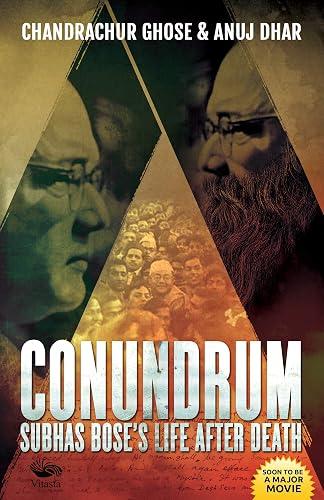
by Anuj Dhar & Chandrachur Ghose
Premium summary · Opens in the app · 30 min read
In the summer of 1945, the world was told that Subhas Chandra Bose, the fiery nationalist who had led the Indian National Army against British rule, had died in a plane crash in Taiwan. The story was simple. A Japanese bomber carrying Bose reportedly caught fire after takeoff from Taipei. Bose, badly burned, allegedly died in a hospital hours later. His body was cremated. His ashes were taken to Tokyo. The war ended weeks later. India gained independence two years after that. The case was closed
**Authors:** Anuj Dhar & Chandrachur Ghose **Estimated Reading Time:** 45 minutes
**What You'll Learn:**
* Why the official account of Subhas Chandra Bose's death in a 1945 plane crash has never been conclusively proven * The remarkable story of a mysterious holy man in Uttar Pradesh who many believe was Bose living in hiding * The forensic evidence, eyewitness accounts, and documentary trail that challenge the established narrative * Why successive Indian governments may have suppressed or ignored evidence about Bose's fate * How to evaluate historical claims when official records remain sealed and institutional memory fails
**Who This Book Is For:**
This condensed edition is for readers who care about modern Indian history, unsolved historical mysteries, and the nature of institutional secrecy. It is for those who suspect that some official narratives deserve closer scrutiny, and for anyone who has ever wondered why the story of one of India's most consequential freedom fighters ends with an unverified crash report rather than a body, a funeral, or a grave.
In the summer of 1945, the world was told that Subhas Chandra Bose, the fiery nationalist who had led the Indian National Army against British rule, had died in a plane crash in Taiwan. The story was simple. A Japanese bomber carrying Bose reportedly caught fire after takeoff from Taipei. Bose, badly burned, allegedly died in a hospital hours later. His body was cremated. His ashes were taken to Tokyo. The war ended weeks later. India gained independence two years after that. The case was closed. Except it never really was. For decades, millions of Indians refused to believe that Netaji had perished in that crash. Rumors persisted that he had survived, that he was living in hiding, that he would one day return. These beliefs were dismissed as folklore, as the wishful thinking of a nation that could not accept the loss of a hero. But what if the folklore was closer to the truth than the official record? Anuj Dhar and Chandrachur Ghose spent more than fifteen years investigating this question. They filed Right to Information requests, fought legal battles for access to classified documents, interviewed eyewitnesses and their descendants, consulted forensic experts, and assembled a body of evidence that challenges the very foundation of the accepted narrative. The result is *Conundrum*, a book that does not merely ask whether Bose died in 1945. It asks a far more unsettling question: if he did not die, then where did he go, and why did he never return? The problem this book addresses is not simply historical curiosity. It is the problem of institutional silence. Successive Indian governments have treated Bose-related documents as state secrets, refusing to release files that…
Continue reading in the MinuteRead app
Get the complete 30-minute summary of Conundrum: Subhas Bose's Life After Death
Get the complete summary in the appSubhas Chandra Bose did not die in the alleged August 1945 plane crash in Taiwan, according to the authors of *Conundrum
The official narrative of Bose's death has never been proven and rests on unverified testimony and missing documents.
The Justice Manoj Kumar Mukherjee Commission concluded that Bose did not die in the plane crash and that the ashes at Re
Gumnaami Baba, a mysterious holy man in Faizabad, was likely Bose living in hiding.
Letters written by Gumnaami Baba show remarkable similarities to Bose's known handwriting.
Intelligence agencies monitored Gumnaami Baba and suspected he might be Bose.
"Conundrum: Subhas Bose's Life After Death" is a strong fit if you want practical ideas around history, politics, especially themes like subhas chandra bose did not die in the alleged august 1945 plane crash in taiwan, according to the authors of *conundrum; the official narrative of bose's death has never been proven and rests on unverified testimony and missing documents. The MinuteRead summary distills these concepts into a focused read, whether you're deciding whether to buy the book or applying its lessons at work.
Motivated to help readers with in the summer of 1945, Anuj Dhar & Chandrachur Ghose wrote “Conundrum: Subhas Bose's Life After Death” to package those ideas for a fast, focused read. In “Conundrum: Subhas Bose's Life After Death”, Anuj Dhar & Chandrachur Ghose focuses on in the summer of 1945. Through “Conundrum: Subhas Bose's Life After Death”, Anuj Dhar & Chandrachur Ghose distills the core ideas on history into lessons readers can absorb in a single short sitting. Readers turn to this work wh…
View all summaries by Anuj DharContinue Reading
Access the complete 30-minute summary and thousands more nonfiction books in the MinuteRead app.

Continue reading the complete summary in the MinuteRead app.