MinuteRead
30 min
Book summary
Premium summary · Opens in the app · 30 min read
Most books about happiness begin with a promise. They tell you that if you follow certain steps, cultivate certain habits, or adopt certain mindsets, you will unlock a richer, more joyful life. The implication is that happiness is something you can build, accumulate, and hold onto.
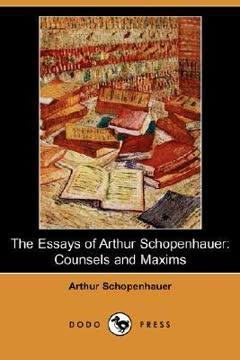
**Author:** Arthur Schopenhauer
**Estimated Reading Time:** 45 minutes
**What You'll Learn:**
- Why pursuing pleasure is a trap and what you should aim for instead - How to think about happiness as an architect thinks about foundations - Why solitude is a resource most people waste - What porcupines can teach you about social distance - How to read character accurately and stop expecting people to change - Why your daily rhythm shapes your judgment more than you realize - What changes after forty and why it matters
**Who This Book Is For:**
Anyone who has ever felt that the standard advice about happiness misses something fundamental. If you suspect that chasing positive experiences is a losing game, that people rarely change, and that solitude might be underrated, this book will give you a philosophical foundation for those intuitions. It is not a cheerful book. It is a useful one.
Most books about happiness begin with a promise. They tell you that if you follow certain steps, cultivate certain habits, or adopt certain mindsets, you will unlock a richer, more joyful life. The implication is that happiness is something you can build, accumulate, and hold onto. Arthur Schopenhauer thought this was nonsense. Writing in the middle of the nineteenth century, Schopenhauer looked at the human condition and reached a conclusion that remains deeply unfashionable: life is not designed for happiness. The pursuit of pleasure is a fool's errand. The more you chase after positive experiences, the more you expose yourself to disappointment, loss, and pain. The wise person does not try to maximize joy. The wise person tries to minimize suffering. This is not mere pessimism. Schopenhauer was a systematic thinker who built his practical philosophy on a clear-eyed assessment of how human beings actually work. He observed that pain is real and immediate, while pleasure is mostly the temporary relief of pain. He noticed that people ruin their present moments by obsessing over futures that never arrive or pasts that never return. He saw that social life, for all its comforts, comes with hidden costs that most people never calculate. The essays collected in *Counsels and Maxims* represent Schopenhauer at his most practical. He called this project "eudaemonology," the study of happiness, but he immediately redefined the term. Since true positive happiness is impossible, eudaemonology is really the art of living less unhappily. It is a defensive philosophy, a set of strategies for navigating a world that will not cooperate with your desires. What makes Schopenhauer's advice distinctive is its honesty. He does not tell you to visualize success or practice gratitude. He tells you to lower your expectations, guard your solitude, and stop expecting people to be better…
Continue reading in the MinuteRead app
Get the complete 30-minute summary of Counsels and Maxims
Get the complete summary in the appHappiness is not something you pursue; it is what remains when you avoid pain.
Pain is real and positive; pleasure is merely the temporary relief of pain.
The fewer things you need, the fewer points of vulnerability exist.
Honor every pain-free hour now; you will mourn it later.
The present is the only reality; the future and past are phantoms.
Solitude is a resource; cultivate the capacity to be alone.
"Counsels and Maxims" is a strong fit if you want practical ideas around inspiration, philosophy, classics, especially themes like happiness is not something you pursue; it is what remains when you avoid pain; pain is real and positive; pleasure is merely the temporary relief of pain. The MinuteRead summary distills these concepts into a focused read, whether you're deciding whether to buy the book or applying its lessons at work.
Arthur Schopenhauer was a German philosopher born in Danzig (now Gdańsk, Poland) in 1788. He is best known for his work "The World as Will and Representation," which attempted to expand upon Immanuel Kant's philosophy regarding human experience of the world. Schopenhauer came from a literary family, with his mother Johanna being an author herself. He pursued an academic career, focusing on metaphysics and ethics. His philosophical ideas often centered on pessimism and the nature of human will. S…
View all summaries by Arthur SchopenhauerContinue Reading
Access the complete 30-minute summary and thousands more nonfiction books in the MinuteRead app.

Continue reading the complete summary in the MinuteRead app.