MinuteRead
30 min
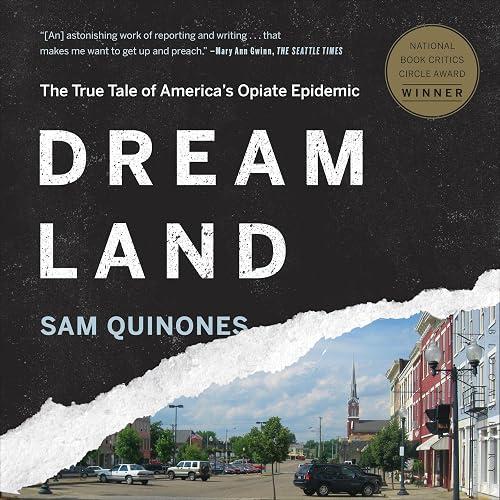
Book summary
by Sam Quinones
Premium summary · Opens in the app · 5 min read
Dreamland blows open the story of the United States’ opioid crisis, from the frustrating greed and oversight that created it, how drug dealers accelerated it’s spread, and what we’re doing now to stop it.
Dreamland blows open the story of the United States’ opioid crisis, from the frustrating greed and oversight that created it, how drug dealers accelerated it’s spread, and what we’re doing now to stop it.
Although the widespread effects of this dilemma are obvious now, it began slowly back in the 1980s.
It was 1984 when a drug company named Purdue came out with MS Contin, a morphine-based, time-release pain treatment pill. While it was originally for people on their death beds or those just out of surgery, it’s success soon got Purdue carried away.
In 1996, the company released a similar pill by the now infamous name of OxyContin. Its active ingredient was the opium derivative called oxycodone, which is similar to heroin.
The company again touted the pill’s time-release technology. Purdue got the FDA to approve the drug on the belief that this mechanism would limit addiction by restricting the highs and lows that opiates normally brought.
This became the hallmark of Purdue’s marketing tactics for OxyContin, bringing wild success.
Lurking underneath, however, was a lot of bad science. For one, the perceived addiction rates were so low because it was only used for testing in controlled hospital conditions instead of by the doctors outside hospitals that the company marketed the drug to.
What’s worse, one doctor who was simply compiling a hospital database found some information that would be misconstrued for years. Looking at the roughly 12,000 patients, he noticed only four developed painkiller addictions.
After publishing the finding in a short paragraph in the New England Journal of Medicine, the information spread like cancer. Some even mistakenly called it a “landmark study.”
It wasn’t long before the crisis was in full swing, only for drug dealers to make it worse.
By the time 2000 rolled around the opiate crisis was in full swing. Of the roughly 100 million Americans suffering from chronic pain, almost all of them were on opiates of some kind. Of the world’s entire supply of oxycodone, the US alone was consuming 86%. And the use of hydrocodone, another opiate, was up to 99% and the most prescribed individual drug in the country. Still today there are about 136 million prescriptions for these kinds of drugs every year. Along with a rise in prescriptions has also come a rise in recreational use as well. From 2002 to 2011 alone, 25 million Americans consumed prescription pills in a way other than their intended use. And the age at which people were abusing these drugs was dropping, too. According to the 2010 National Survey on Drug Use and Health, 2.4 million people 12 years old and up had consumed prescription pills nonmedically for the first time…
Continue reading in the MinuteRead app
Get the complete 5-minute summary of Dreamland
Get the complete summary in the appThe massive opiate crisis is a result of deception and greed around one small pill called OxyContin.
Grim statistics are just one marker of the awful effect this epidemic is having on individuals and families.
Although many have suffered from this crisis, some are beginning to take a stand against it and are making changes happen.
"Dreamland" is a strong fit if you want practical ideas around culture, health, history, especially themes like the massive opiate crisis is a result of deception and greed around one small pill called oxycontin; grim statistics are just one marker of the awful effect this epidemic is having on individuals and families. The MinuteRead summary distills these concepts into a focused read, whether you're deciding whether to buy the book or applying its lessons at work.
Sam Quinones is a journalist, former LA Times reporter, author and storyteller. His new book of narrative nonfiction - DREAMLAND: The True Tale of America's Opiate Epidemic - was published in 2015 by Bloomsbury Press. It has received rave reviews from Salon.com, Christian Science Monitor, Kirkus Reviews, and a bunch of Amazon.com readers. DREAMLAND recounts twin tales of drug marketing: A pharmaceutical corporation flogs its legal new opiate painkiller as nonaddictive; immigrants from a small…
View all summaries by Sam QuinonesContinue Reading
Access the complete 5-minute summary and thousands more nonfiction books in the MinuteRead app.

Continue reading the complete summary in the MinuteRead app.