MinuteRead
30 min
Book summary
Premium summary · Opens in the app · 30 min read
Every generation believes it has discovered something unprecedented. The technology feels revolutionary. The opportunities seem limitless. The old rules, many insist, no longer apply. And yet, when you look back across two centuries of financial history, a different picture emerges. The technologies change. The human response to them does not.
**Author:** Alasdair Nairn **Estimated Reading Time:** 45 minutes
How technological revolutions from canals to the internet have repeatedly created the same patterns of boom and bust, why investors keep falling into the same traps, and how understanding these historical rhythms can help you make better decisions when the next transformative technology arrives.
Investors who want to understand how markets really work, technology enthusiasts curious about the financial history behind innovation, and anyone who has ever wondered whether the latest breakthrough will actually make money for those who back it.
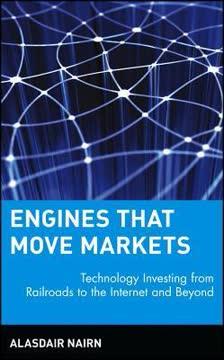
Every generation believes it has discovered something unprecedented. The technology feels revolutionary. The opportunities seem limitless. The old rules, many insist, no longer apply. And yet, when you look back across two centuries of financial history, a different picture emerges. The technologies change. The human response to them does not. Alasdair Nairn wrote *Engines That Move Markets* to demonstrate something both simple and profound: the great technological revolutions of the past two hundred years have followed remarkably similar patterns. From the canal building craze of the late eighteenth century to the railway mania of the 1840s, from the automobile revolution to the dot-com bubble, each wave of innovation has inspired the same hopes, attracted the same speculative capital, and ultimately delivered the same painful lessons to those who ignored history. The problem is not that investors lack intelligence. Many of the people who lost fortunes in these episodes were sophisticated, educated, and successful in other domains. The problem is that technological enthusiasm has a way of overwhelming rational judgment. When everyone around you is making money, when the press is filled with stories of overnight fortunes, when the new technology genuinely does seem to be changing the world, it becomes extraordinarily difficult to remember that valuation still matters, that competition still exists, and that most companies will fail. This book exists because those lessons are not merely historical curiosities. They are directly relevant to every investor living through the next wave of technological change, whatever that wave happens to be. The specific technologies may be impossible to predict, but the patterns of human behavior that accompany them are remarkably stable. Nairn's approach is different from most investment books because he does not offer a simple formula or a set of stock-picking rules. Instead, he builds his argument through careful historical analysis. He examines what actually happened when canals, railroads, automobiles, radio, and the internet transformed the economic landscape. He looks at who made money, who lost money, and why. The answers are often surprising and frequently uncomfortable for those who believe that being early to a technology is the same as being right. What emerges from this analysis is a framework…
Continue reading in the MinuteRead app
Get the complete 30-minute summary of Engines That Move Markets
Get the complete summary in the app**History rhymes.** The technologies change, but the patterns of boom and bust remain the same.
**Technology importance does not equal investment returns.** A transformative technology can destroy most of the capital
**Capital intensity creates vulnerability.** Long payback periods expose investors to risks they cannot control.
**Losers are easier to identify than winners.** Focus on avoiding disruption rather than picking winners.
**First-mover advantage is a myth without barriers to entry.** Being first is not the same as being durable.
**Easy money fuels bubbles, and rising rates end them.** Monitor monetary policy for early warning signs.
"Engines That Move Markets" is a strong fit if you want practical ideas around finance, business, history, especially themes like **history rhymes.** the technologies change, but the patterns of boom and bust remain the same; **technology importance does not equal investment returns.** a transformative technology can destroy most of the capital. The MinuteRead summary distills these concepts into a focused read, whether you're deciding whether to buy the book or applying its lessons at work.
Alasdair Nairn is the author of Engines That Move Markets . No specific information about the author is provided in the given documents. Without additional context, it is not possible to provide a 100-word summary about the author. The documents focus on the book's content and reader reviews, but do not contain biographical information or details about Alasdair Nairn's background, expertise, or other works. To create an accurate summary about the author, more information would be needed from rel…
View all summaries by Alasdair NairnContinue Reading
Access the complete 30-minute summary and thousands more nonfiction books in the MinuteRead app.

Continue reading the complete summary in the MinuteRead app.