MinuteRead
30 min
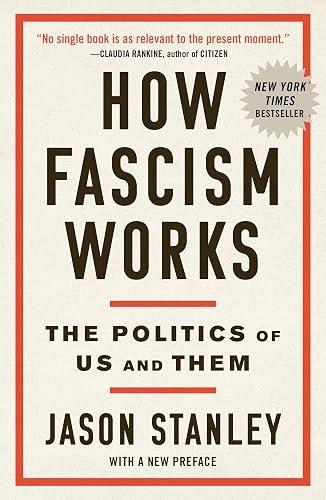
Fascism explores the nature behind this far-right authoritarian ideology, how it can rise to power in uncertain times and why it poses a serious threat even in our present days against our most democratic systems such as in the United States or Europe.
Fascism explores the nature behind this far-right authoritarian ideology, how it can rise to power in uncertain times and why it poses a serious threat even in our present days against our most democratic systems such as in the United States or Europe.
History is our best teacher. For this reason, we always have to look back and analyze. So let’s see how fascism rose to power to begin with. Mussolini once stated that taking hold of power is like plucking a live chicken – do it as quietly as possible, without anyone noticing.
Such extreme political parties don’t just get elected one day and do away with their opponents. Rather, they abide by the democratic rules at first. A perfect example of this would be Hitler. Nowadays, we can see the same happening in Turkey, with its leader Erdoğan.
Fascism, like other similar doctrines, often addresses the anxieties of people. It creates a movement under the leader’s protective wings. And because people will always look for someone to blame their frustrations on, fascism can always find its way back.
According to The Economist’s Democracy Index, we’re experiencing a decline in democracy’s health in 70 countries! Existing politicians, corruption, high unemployment, and frustration can make people lose faith in our current system.
Such tendencies can be observed in “the land of the free’’, for example. Donald Trump was quite popular among Americans as he praised other authoritarian governments. Or when he called out immigrants for stealing jobs from nationals and implicitly rising unemployment.
Personalities like Hitler, Mussolini, or Stalin have painted the picture of fascism, nazism, and other atrocious doctrines. However, a quick look into the modern-day states can reveal more than we think. So let’s take a look! After World War I, extreme movements like fascism were a common occurrence. Why? Because states were weak. People were poor, unemployed, and depressed. This can be seen even in Britain, a country that praises freedom and democracy. Again, we can see this phenomenon in India, where angry Hindu nationalists were concerned about Muslims. European states like Romania, Spain, or Czechoslovakia have also experienced fascist tendencies. Moreover, they all took place under similar patterns. In Italy, Mussolini addressed the rejection of capitalists that are trying to exploit citizens. To prove his loyalty to the people, he removed over 35 000 politicians. In Britain, a fascist union promised economic protection by acting against immigrants. Therefore, we can see how fascists rose to power by continuously promising to fight the “enemies of the state.’’ They promise to solve unemployment by eliminating immigrants that steal jobs. Or to eradicate corruption by mass-removing government officials. Therefore, whenever people get too frustrated about these matters, extreme ideologies…
Continue reading in the MinuteRead app
Get the complete 5-minute summary of Fascism
Get the complete summary in the appIn a fragile democracy, fascism can easily find its way to the top.
Fascism is a recurring part of human history.
Democracy’s advocates should be aware of its fragility and work towards preserving it.
"Fascism" is a strong fit if you want practical ideas around history, leadership, philosophy, especially themes like in a fragile democracy, fascism can easily find its way to the top; fascism is a recurring part of human history. The MinuteRead summary distills these concepts into a focused read, whether you're deciding whether to buy the book or applying its lessons at work.
Jason Stanley is the Jacob Urowsky Professor of Philosophy at Yale University, and the author of seven books.
View all summaries by Jason StanleyContinue Reading
Access the complete 5-minute summary and thousands more nonfiction books in the MinuteRead app.

Continue reading the complete summary in the MinuteRead app.