MinuteRead
30 min
There is a particular kind of blindness that afflicts organizations. It is not caused by lack of intelligence or poor intentions. It is caused by distance. The further a manager sits from where the work actually happens, the more distorted their view becomes. Reports replace reality. Metrics substitute for meaning. Conference rooms become echo chambers where assumptions bounce between people who share the same limited perspective.
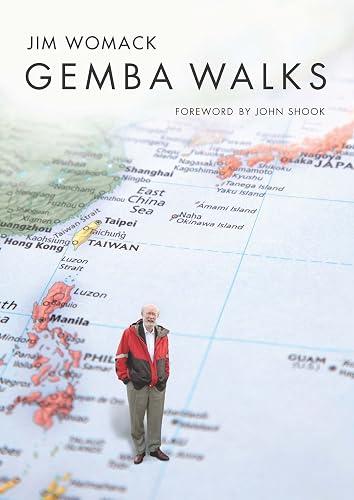
**Author:** James P. Womack
**Estimated Reading Time:** 42 minutes
**What You'll Learn:**
- Why walking to where the work happens changes everything about management - How purpose, process, and people form the foundation of lean transformation - What value stream thinking reveals that traditional management misses - Why continuous improvement and respect for people are inseparable - How lean principles extend far beyond manufacturing into every industry - What history teaches us about the evolution of lean thinking - How to sustain improvements instead of watching them fade
**Who This Book Is For:**
This book is for leaders who suspect their organizations are running on assumptions rather than observation. It is for managers tired of making decisions in conference rooms far removed from actual work. It is for anyone who has ever wondered why improvements fail to stick, why departments fight instead of collaborate, or why the distance between executives and the front line keeps growing. If you want to understand what actually creates value in an organization, and how to see it with your own eyes, this book will change how you walk through your workplace.
There is a particular kind of blindness that afflicts organizations. It is not caused by lack of intelligence or poor intentions. It is caused by distance. The further a manager sits from where the work actually happens, the more distorted their view becomes. Reports replace reality. Metrics substitute for meaning. Conference rooms become echo chambers where assumptions bounce between people who share the same limited perspective. James Womack has spent decades observing this phenomenon. As a researcher at MIT, co-author of The Machine That Changed the World, and founder of the Lean Enterprise Institute, he has walked through hundreds of factories, hospitals, offices, and service centers. He has watched brilliant executives make terrible decisions because they never saw the actual process they were trying to improve. He has also watched ordinary employees achieve extraordinary results when someone finally took the time to stand beside them and understand their work. The title of this book describes its central practice. A gemba walk is a visit to the place where value is created. Gemba is a Japanese word meaning "the real place" or "the actual place." In a factory, it is the production floor. In a hospital, it is the patient ward. In an office, it is where the work flows through desks and screens. The walk is not a casual stroll. It is a structured practice of observation, questioning, and learning. The problem with most management is that it operates at a distance. Managers receive information that has been filtered, summarized, and sanitized. They see charts that show trends but not causes. They hear…
Continue reading in the MinuteRead app
Get the complete 30-minute summary of Gemba Walks
Get the complete summary in the appGo to the gemba. Walk to where the work happens and observe it directly. Reports hide what observation reveals.
Value comes from processes. If you want to improve value, you must understand and improve the process.
Purpose, process, and people are inseparable. All three must be addressed for transformation to succeed.
Think horizontally. Follow the flow of value across the organization, not the vertical hierarchy.
Respect people by engaging them in problem-solving. Their knowledge is your most valuable resource.
Map the value stream. See the waste. Design a future state with less waste and shorter lead times.
"Gemba Walks" is a strong fit if you want practical ideas around management, business, leadership, especially themes like go to the gemba. walk to where the work happens and observe it directly. reports hide what observation reveals; value comes from processes. if you want to improve value, you must understand and improve the process. The MinuteRead summary distills these concepts into a focused read, whether you're deciding whether to buy the book or applying its lessons at work.
Motivated to help readers with "Lean must include all of these: They can't work without each other, James P. Womack wrote “Gemba Walks” to package those ideas for a fast, focused read. In “Gemba Walks”, James P. Womack focuses on "Lean must include all of these: They can't work without each other. Through “Gemba Walks”, James P. Womack distills the core ideas on management into lessons readers can absorb in a single short sitting. Readers turn to this work when they want James P. Womack's perspe…
View all summaries by James P. WomackContinue Reading
Access the complete 30-minute summary and thousands more nonfiction books in the MinuteRead app.

Continue reading the complete summary in the MinuteRead app.