MinuteRead
30 min
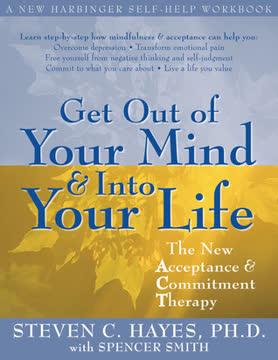
Book summary
Premium summary · Opens in the app · 30 min read
The human mind is a remarkable instrument. It can compose symphonies, calculate the trajectory of distant planets, and imagine futures that do not yet exist. Yet this same mind can become a prison. The voice in your head that helps you solve problems can also torment you with endless criticism. The ability to remember can trap you in painful past events. The capacity to anticipate can fill you with dread about things that may never happen.
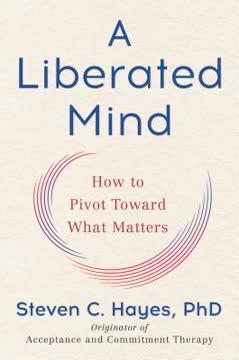
**Author:** Steven C. Hayes
**Estimated Reading Time:** 45 minutes
**What You'll Learn:**
* Why trying to control your thoughts and feelings makes them stronger * How to step back from your mind's constant commentary * What acceptance really means and why it transforms suffering * How to identify what truly matters to you * Practical skills for building a meaningful life even in the presence of pain
**Who This Book Is For:**
This book is for anyone who has ever felt trapped by their own thoughts. For people who have tried to think positively and found it exhausting. For those who have fought anxiety, depression, anger, or self-doubt and wondered why the fight only made things worse. If you have ever felt that your mind is both your greatest asset and your worst enemy, this book offers a different path forward.
The human mind is a remarkable instrument. It can compose symphonies, calculate the trajectory of distant planets, and imagine futures that do not yet exist. Yet this same mind can become a prison. The voice in your head that helps you solve problems can also torment you with endless criticism. The ability to remember can trap you in painful past events. The capacity to anticipate can fill you with dread about things that may never happen. This is the central paradox of human consciousness. The very skills that allow us to thrive as a species also make us uniquely vulnerable to psychological suffering. Steven Hayes, a clinical psychologist who spent decades studying the relationship between language, cognition, and human suffering, wrote this book to address a fundamental question: Why do intelligent, capable people so often find themselves stuck in patterns of behavior that make their lives smaller and less meaningful? The answer he discovered challenges much of what we have been taught about mental health. Most of us have absorbed a simple message from our culture: negative thoughts and feelings are problems to be solved. If you feel anxious, you should learn to relax. If you feel sad, you should find ways to cheer up. If you have self-critical thoughts, you should replace them with positive affirmations. The underlying assumption is that psychological health means feeling good and thinking positively. But Hayes and his colleagues discovered something surprising. The more people try to control their internal experiences, the more those experiences control them. Think about this for a moment. Have you ever tried not to think about something? Perhaps a painful memory, a worry about the future, or a craving for something you know is bad for you. What happened? For most people, the thought becomes more persistent. The more energy you devote to pushing it away, the stronger…
Continue reading in the MinuteRead app
Get the complete 30-minute summary of Get Out of Your Mind and Into Your Life
Get the complete summary in the appTrying to control your thoughts and feelings makes them stronger. The struggle creates more of what you are trying to es
Thoughts are mental events, not literal truths. You can observe them without believing them.
Acceptance means making room for difficult experiences without struggling against them. It does not mean liking them or
Values are chosen life directions. They give your life meaning and guide your choices.
Committed action means taking steps toward your values even when you do not feel like it.
You are not your thoughts and feelings. You are the awareness that contains them.
"Get Out of Your Mind and Into Your Life" is a strong fit if you want practical ideas around health & fitness, psychology, self help, especially themes like trying to control your thoughts and feelings makes them stronger. the struggle creates more of what you are trying to es; thoughts are mental events, not literal truths. you can observe them without believing them. The MinuteRead summary distills these concepts into a focused read, whether you're deciding whether to buy the book or applying its lessons at work.
Steven C. Hayes, PhD is a renowned psychologist and professor at the University of Nevada. He co-founded Acceptance and Commitment Therapy (ACT) and developed Relational Frame Theory. Hayes has authored numerous books and articles, significantly impacting the field of psychology. His research focuses on language, cognition, and human suffering. He has held leadership positions in various psychological associations and received multiple awards for his contributions. Hayes is known for his controv…
View all summaries by Steven C. HayesContinue Reading
Access the complete 30-minute summary and thousands more nonfiction books in the MinuteRead app.

Continue reading the complete summary in the MinuteRead app.