MinuteRead
30 min
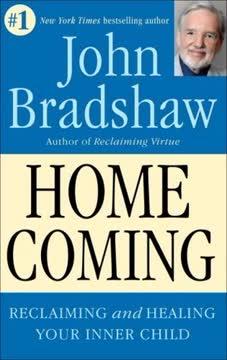
There is a moment in every adult life when we look at our behavior and wonder, "Why did I do that?" The outburst that seemed disproportionate to the situation. The relationship we sabotaged despite genuinely wanting it to work. The fear that gripped us when we tried to speak up for ourselves. The numbness that settled in when we should have felt joy.
**Author:** John Bradshaw
**Estimated Reading Time:** 48 minutes
**What You'll Learn:** How childhood wounds shape adult behavior, why the inner child holds the key to emotional healing, and a practical path to reclaiming the wonder, creativity, and wholeness you were born with.
**Who This Book Is For:** Anyone who has ever felt stuck in patterns they cannot explain, struggled with relationships that seem to repeat the same painful dynamics, or sensed that something essential was lost along the way to adulthood.
There is a moment in every adult life when we look at our behavior and wonder, "Why did I do that?" The outburst that seemed disproportionate to the situation. The relationship we sabotaged despite genuinely wanting it to work. The fear that gripped us when we tried to speak up for ourselves. The numbness that settled in when we should have felt joy. Most of us have explanations for these moments. We blame stress. We blame circumstances. We blame other people. We tell ourselves we were tired, overwhelmed, or simply having a bad day. But beneath these surface explanations lies a deeper truth that John Bradshaw spent his career uncovering: the wounded inner child is the major source of human misery. This is not a metaphor. Bradshaw means something specific and profound. Inside every adult lives the child they once were. That child carries every experience, every emotional wound, every unmet need, and every adaptation made to survive a world that was not always safe or nurturing. When that child was hurt, the adult carries the injury. When that child learned to hide, the adult hides. When that child learned that love must be earned through performance, the adult performs endlessly, never feeling worthy of rest. The problem is that most of us have no conscious awareness of this inner child. We experience the effects without understanding the cause. We feel the shame without remembering the moment it was implanted. We repeat the patterns without recognizing their origin. We wonder why we keep ending up in the same painful situations, not realizing that our wounded inner child is running the show from behind the curtain. Bradshaw wrote *Homecoming* because he saw this dynamic destroying lives. As a counselor, theologian, and recovering alcoholic himself, he witnessed countless people who had done years of therapy, attended workshops, read self-help books, and still found themselves trapped in the same destructive cycles. They understood their problems intellectually but could not seem to change. The missing piece, Bradshaw realized, was the inner child. Until that child was acknowledged, validated, and healed, no amount of adult insight could produce lasting transformation. The book's title captures its central promise. *Homecoming* is about coming home to yourself.…
Continue reading in the MinuteRead app
Get the complete 30-minute summary of Homecoming
Get the complete summary in the appThe wounded inner child is the major source of human misery, and recognizing this is the first step toward healing.
The child you once were still lives within you, influencing your thoughts, feelings, and behaviors in ways you rarely re
Childhood wounds are survival strategies that were adaptive then but are maladaptive now.
Each developmental stage has specific needs, and unmet needs create specific wounds that carry into adulthood.
Healing requires feeling, not just understanding. Intellectual insight without emotional experience does not heal.
You are no longer a helpless child. Your adult self can provide the protection, nurturing, and validation your inner chi
"Homecoming" is a strong fit if you want practical ideas around inspiration, psychology, self help, especially themes like the wounded inner child is the major source of human misery, and recognizing this is the first step toward healing; the child you once were still lives within you, influencing your thoughts, feelings, and behaviors in ways you rarely re. The MinuteRead summary distills these concepts into a focused read, whether you're deciding whether to buy the book or applying its lessons at work.
John Bradshaw was a prominent figure in the self-help movement, known for his work on personal growth and family dynamics. He authored five New York Times bestsellers and hosted PBS television series based on his books. Bradshaw popularized concepts like the "Inner Child" and "dysfunctional family." His career spanned counseling, theology, management consulting, and public speaking. Through his books, TV shows, lectures, and workshops, he impacted millions of lives. Bradshaw's approach combined …
View all summaries by John BradshawContinue Reading
Access the complete 30-minute summary and thousands more nonfiction books in the MinuteRead app.

Continue reading the complete summary in the MinuteRead app.