MinuteRead
30 min
Book summary
by Jim Rogers
Premium summary · Opens in the app · 30 min read
In the late 1990s, while most of the world was obsessed with technology stocks and the promise of the internet, Jim Rogers was buying lead. Not lead as in sales leads or business opportunities. Actual lead, the metal. He was also buying sugar, cotton, and orange juice. His friends thought he had lost his mind.
By Jim Rogers
**Estimated Reading Time:** 45 minutes
**What You'll Learn:**
- Why commodities follow predictable long-term cycles that most investors ignore - How supply and demand, not speculation, drive commodity prices - Why China's rise created one of the greatest commodity booms in history - How to identify which commodities are poised for gains and which are not - How to incorporate commodities into a diversified portfolio - How to recognize when a commodity bull market is ending
**Who This Book Is For:**
This book is for investors who have spent years focused on stocks and bonds and wondered if there is something more. It is for people who sense that the world is changing, that demand for raw materials is growing, and that traditional portfolios may not be enough. It is for anyone who wants to understand the fundamental forces that shape the global economy and how to profit from them. If you have ever filled your gas tank and wondered who benefits from rising oil prices, or read about China's construction boom and asked how to participate, this book will show you the way.
In the late 1990s, while most of the world was obsessed with technology stocks and the promise of the internet, Jim Rogers was buying lead. Not lead as in sales leads or business opportunities. Actual lead, the metal. He was also buying sugar, cotton, and orange juice. His friends thought he had lost his mind. At the time, commodities were considered a relic of a bygone era. The great commodity boom of the 1970s had collapsed in the early 1980s, and for nearly two decades, prices for raw materials had done nothing but fall. Investors had abandoned the asset class entirely. Financial advisors told their clients that commodities were too risky, too volatile, too unsophisticated. The smart money was in stocks, particularly technology stocks, which seemed to rise forever. Rogers saw something different. He saw that nearly two decades of falling prices had created a dangerous situation. Mining companies had stopped exploring for new deposits. Farmers had stopped planting marginal acreage. Oil companies had slashed their exploration budgets. Nobody was investing in future supply because there was no money to be made in current production. Meanwhile, demand was not falling. It was growing, particularly in Asia, where hundreds of millions of people were beginning to participate in the global economy for the first time. This was not a complicated insight. It was basic economics. When supply is constrained and demand is growing, prices must eventually rise. The only question was when. The answer, as Rogers predicted, was soon. Between 1999 and 2008, commodities experienced one of the greatest bull markets in history. Oil…
Continue reading in the MinuteRead app
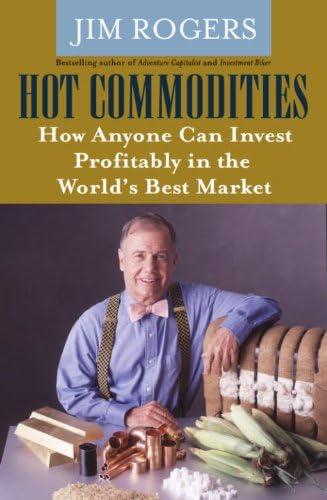
Get the complete 30-minute summary of Hot Commodities
Get the complete summary in the appCommodities are a legitimate asset class with historical returns comparable to stocks and better diversification benefit
Commodity prices follow predictable long-term cycles driven by supply and demand.
The cycle is driven by the lag between investment and production. Supply takes years to respond to demand.
China's industrialization transformed global commodity markets and will continue to influence them for decades.
The era of cheap oil is over. Supply is constrained and demand is growing.
Gold is driven by psychology, not fundamentals. Be cautious about overweighting it.
"Hot Commodities" is a strong fit if you want practical ideas around finance, business, economics, especially themes like commodities are a legitimate asset class with historical returns comparable to stocks and better diversification benefit; commodity prices follow predictable long-term cycles driven by supply and demand. The MinuteRead summary distills these concepts into a focused read, whether you're deciding whether to buy the book or applying its lessons at work.
Motivated to help readers with 1) Commodities: The Overlooked Asset Class with Cyclical Bull Markets 2) Supply and Demand: The Driving, Jim Rogers wrote “Hot Commodities” to package those ideas for a fast, focused read. In “Hot Commodities”, Jim Rogers focuses on 1) Commodities: The Overlooked Asset Class with Cyclical Bull Markets 2) Supply and Demand: The Driving. Through “Hot Commodities”, Jim Rogers distills the core ideas on finance into lessons readers can absorb in a single short sitting.…
Continue Reading
Access the complete 30-minute summary and thousands more nonfiction books in the MinuteRead app.

Continue reading the complete summary in the MinuteRead app.