MinuteRead
30 min
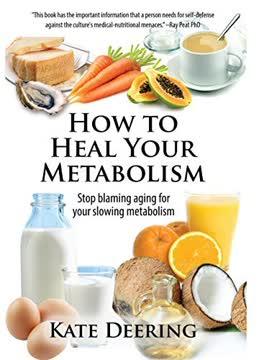
Book summary
by Kate Deering
Premium summary · Opens in the app · 30 min read
There is a quiet epidemic happening in the modern world. It does not make headlines the way infectious diseases do. It does not have a single dramatic symptom that sends people rushing to emergency rooms. Instead, it creeps into people's lives slowly, stealing their energy, disrupting their sleep, fogging their thinking, and making them feel decades older than they actually are.
**Author:** Kate Deering **Estimated Reading Time:** 45 minutes
**What You'll Learn:** - Why your metabolism is the foundation of every aspect of your health - How common dietary advice about fats, carbohydrates, and vegetables may be harming you - The specific foods that support thyroid function and cellular energy - Why blood sugar balance matters more than calorie counting - How sleep, stress, and happiness directly influence your metabolic rate - A practical framework for rebuilding your health from the cellular level
**Who This Book Is For:** This book is for anyone who has struggled with chronic fatigue, unexplained weight gain, hormonal imbalances, digestive problems, or the frustrating sense that their body is working against them. It is for people who have tried conventional diets and found themselves feeling worse. It is for those who suspect that the standard advice about nutrition and health is incomplete, and who are ready to understand their body from a different perspective.
There is a quiet epidemic happening in the modern world. It does not make headlines the way infectious diseases do. It does not have a single dramatic symptom that sends people rushing to emergency rooms. Instead, it creeps into people's lives slowly, stealing their energy, disrupting their sleep, fogging their thinking, and making them feel decades older than they actually are. This epidemic is metabolic dysfunction. The human metabolism is not simply a calorie-burning engine that determines whether you gain or lose weight. It is the sum total of every chemical process that keeps you alive. It is the system that converts food into energy, repairs damaged cells, produces hormones, fights off infections, and maintains the delicate balance that allows your body to function optimally. When your metabolism is working well, you feel alive. When it is not, everything suffers. Kate Deering learned this lesson the hard way. For years, she followed the conventional wisdom of the fitness and nutrition world. She ate a low-carbohydrate diet. She exercised intensely. She avoided saturated fats and embraced vegetable oils. She did everything she was supposed to do to be healthy, and she looked the part. But internally, her body was falling apart. Her energy was inconsistent. Her digestion was problematic. Her sleep was restless. Her body temperature ran low, a sign that her thyroid function was compromised. She was, in her own words, so wrapped up in her outward appearance that she had no idea the damage she was doing to her metabolism and overall health. The turning point came when she discovered the work of Ray Peat, a biologist whose research into cellular metabolism, thyroid function, and the effects of different foods challenged nearly everything she believed about nutrition. Peat's work revealed that…
Continue reading in the MinuteRead app
Get the complete 30-minute summary of How to Heal Your Metabolism
Get the complete summary in the appYour metabolism can heal. It is not a fixed trait, and the right conditions can restore healthy function at any age.
Replace vegetable oils with saturated fats like coconut oil, butter, and ghee.
Eat simple sugars from fruit, honey, and milk rather than complex carbohydrates from grains and starches.
Eliminate grains, which contain anti-nutrients and gluten that damage gut health and metabolism.
Choose root vegetables and well-cooked vegetables over raw leafy greens and cruciferous vegetables.
Get protein from eggs, dairy, bone broth, and organ meats rather than lean muscle meats and protein powders.
"How to Heal Your Metabolism" is a strong fit if you want practical ideas around health & fitness, health, nutrition, especially themes like your metabolism can heal. it is not a fixed trait, and the right conditions can restore healthy function at any age; replace vegetable oils with saturated fats like coconut oil, butter, and ghee. The MinuteRead summary distills these concepts into a focused read, whether you're deciding whether to buy the book or applying its lessons at work.
Kate Deering is a health and nutrition expert who wrote "How to Heal Your Metabolism" based on her personal experiences and research into metabolic health. She previously followed various diet trends, including low-carb and paleo, before discovering the work of Ray Peat and developing her own approach to nutrition. Deering advocates for a pro-metabolic diet that emphasizes whole foods, saturated fats, and balanced blood sugar. As a physical therapist, she combines her medical knowledge with nutr…
View all summaries by Kate DeeringContinue Reading
Access the complete 30-minute summary and thousands more nonfiction books in the MinuteRead app.

Continue reading the complete summary in the MinuteRead app.