MinuteRead
30 min
Book summary
Premium summary · Opens in the app · 5 min read
How To Read Literature Like A Professor shows you how to get more out of your reading, by educating you about the basics of classic literature and how authors use patterns, themes, memory and symbolism in their work to deliver their message to you.
How To Read Literature Like A Professor shows you how to get more out of your reading, by educating you about the basics of classic literature and how authors use patterns, themes, memory and symbolism in their work to deliver their message to you.
The majority of people falls into the category of shallow readers. When they read books, they only pay attention to the basic story level, but not much more. If you want to go beyond that and actually interpret what you’re reading, Foster says there are three things you need to watch out for.
Memory. This has happened to you for sure. You’ve read a chapter in a book and thought: “Wait, don’t I know this scenario? Haven’t I read about this before?” Clever readers don’t brush off that gut reaction. Instead, they dwell on it and draw an actual comparison between what they just read and how it’s different from a similar book they’ve read in the past. Symbols. The scar on Harry Potter’s forehead is much more than just a scar. Its shape, the way it hurts, the visions he has because of it. It stands for much more than an accident, it’s a symbol, and only if you can interpret it you’ll get the full picture of the story. Patterns. Sometimes trivial and seemingly meaningless details pop up again and again. Just like the story itself most often follows a pattern, so do certain characters, items and even words people use. Authors often use patterns to communicate hidden messages.
But spotting these and interpreting them correctly is hard, so let’s look at two things you can do to improve.
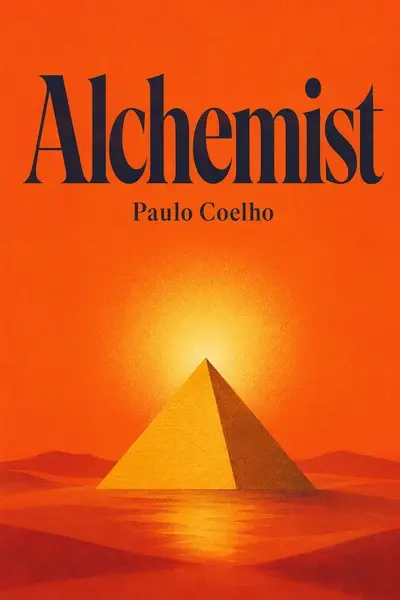
One of the most universally applied structures in novels, which you can find anywhere in life (even in your latest trip to the grocery store), is the quest structure. It’s sometimes also called the hero’s journey and it always contains the five following things: A quester A destination A stated reason to go Some challenges along the way An unexpected revelation Take The Alchemist by Paulo Coelho, for example. Santiago, a shepherd, is the quester. His destination are the pyramids of Egypt. He says his reason to go is that he must find his destiny and explore the vision from his dream (about a treasure in Egypt). Of course he faces many challenges on his journey, such as finding love, but having to leave it behind. At the end, there’s an unexpected revelation, showing Santiago that the treasure was right in front of him all along. But if you run out of bread, and it becomes your reason to go to the grocery store, a destination, you become a quester too. A challenge might be…
Continue reading in the MinuteRead app
Get the complete 5-minute summary of How To Read Literature Like A Professor
Get the complete summary in the appMost books hide their message using memory, symbols and patterns.
The quest structure is one of the most common patterns in literature.
Look for universal messages in books to discover which symbols authors use.
"How To Read Literature Like A Professor" is a strong fit if you want practical ideas around culture, education, psychology, especially themes like most books hide their message using memory, symbols and patterns; the quest structure is one of the most common patterns in literature. The MinuteRead summary distills these concepts into a focused read, whether you're deciding whether to buy the book or applying its lessons at work.
Thomas C. Foster is a professor of English at the University of Michigan-Flint, where he teaches classic and contemporary fiction, drama, and poetry, as well as creative writing and composition. In addition to How to Read Novels Like a Professor, he is the author of How to Read Literature Like a Professor and several books on twentieth-century British and Irish fiction and poetry. He lives in East Lansing, Michigan.
View all summaries by Thomas C. FosterContinue Reading
Access the complete 5-minute summary and thousands more nonfiction books in the MinuteRead app.

Continue reading the complete summary in the MinuteRead app.