MinuteRead
30 min
Book summary
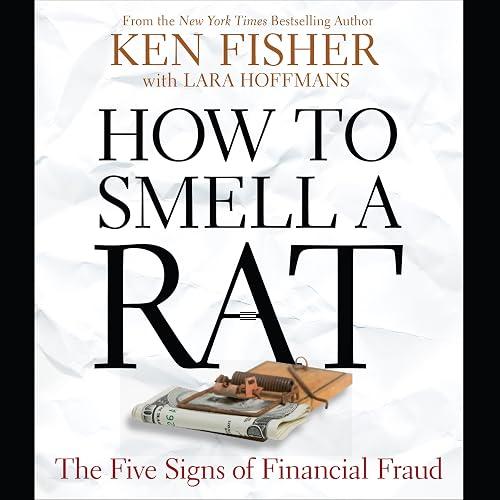
by Kenneth L. Fisher
Premium summary · Opens in the app · 30 min read
Bernard Madoff looked like the perfect money manager. He had a sterling reputation, served as chairman of NASDAQ, attracted wealthy and sophisticated clients, and delivered steady returns decade after decade. When his scheme collapsed in 2008, investors lost an estimated sixty-five billion dollars. Many of those victims were not naive beginners. They were successful professionals, charitable foundations, and experienced investors who believed they had done their homework.
**Author:** Kenneth L. Fisher
**Estimated Reading Time:** 45 minutes
**What You'll Learn:** How to identify the warning signs of financial fraud before you lose money, why smart people fall for Ponzi schemes, and the five simple questions that can protect your life savings.
**Who This Book Is For:** Anyone who has money invested, is considering hiring a financial adviser, or wants to understand why financial scams continue to succeed despite increased regulation and public awareness.
Bernard Madoff looked like the perfect money manager. He had a sterling reputation, served as chairman of NASDAQ, attracted wealthy and sophisticated clients, and delivered steady returns decade after decade. When his scheme collapsed in 2008, investors lost an estimated sixty-five billion dollars. Many of those victims were not naive beginners. They were successful professionals, charitable foundations, and experienced investors who believed they had done their homework. The uncomfortable truth is that financial fraud is not rare, and it is not limited to obvious con artists operating from boiler rooms. Some of the most devastating scams are run by polished, respected individuals who understand exactly what investors want to hear. They exploit trust, sophistication, and the very confidence that makes people believe they could never be fooled. Kenneth Fisher wrote this book in the immediate aftermath of the Madoff scandal, but his message extends far beyond that single case. As a money manager with decades of experience, Fisher has watched fraudsters operate up close. He has seen the patterns repeat across generations, across markets, and across every level of wealth. The names change, the specific pitches evolve, but the underlying mechanics of financial fraud remain remarkably consistent. The problem is not that investors lack intelligence. The problem is that most investors have never been taught what fraud actually looks like from the inside. They evaluate advisers based on surface signals: a nice office, a confident demeanor, impressive credentials, and referrals from people they trust. Fraudsters know this. They invest heavily in creating the appearance of legitimacy precisely because they know most people will never dig deeper. Fisher's approach is refreshingly direct. He does not offer a complicated system or require readers to become forensic accountants. Instead, he argues that avoiding fraud comes down to a few simple principles that anyone can apply. The most important of these is so basic that it seems almost too obvious: make sure the person managing your money never has custody of your money. This single insight, which Fisher places at the center of his book, would have protected Madoff's victims. Madoff's firm served as both investment adviser and custodian. He made the investment decisions and held the assets. That meant he could fabricate account statements, invent trades, and move…
Continue reading in the MinuteRead app
Get the complete 30-minute summary of How to Smell a Rat
Get the complete summary in the appNever allow the person making investment decisions to have custody of your assets. Insist on an independent, reputable c
Ask the five questions: custody, strategy, audited performance, compensation, and registration. Walk away if you do not
Smooth, consistent returns are a red flag. Legitimate investing involves volatility.
If you cannot understand the strategy, do not invest. Jargon is a shield, not a sign of sophistication.
Ignore appearances. Nice offices, expensive clothes, and impressive credentials tell you nothing about honesty.
Shared background does not equal shared values. Treat every investment pitch the same, regardless of who makes it.
"How to Smell a Rat" is a strong fit if you want practical ideas around finance, business, money, especially themes like never allow the person making investment decisions to have custody of your assets. insist on an independent, reputable c; ask the five questions: custody, strategy, audited performance, compensation, and registration. walk away if you do not. The MinuteRead summary distills these concepts into a focused read, whether you're deciding whether to buy the book or applying its lessons at work.
Motivated to help readers with "If the manager has custody, Kenneth L. Fisher wrote “How to Smell a Rat” to package those ideas for a fast, focused read. In “How to Smell a Rat”, Kenneth L. Fisher focuses on "If the manager has custody. Through “How to Smell a Rat”, Kenneth L. Fisher distills the core ideas on finance into lessons readers can absorb in a single short sitting. Readers turn to this work when they want Kenneth L. Fisher's perspective on the subject without working through the entir…
Continue Reading
Access the complete 30-minute summary and thousands more nonfiction books in the MinuteRead app.

Continue reading the complete summary in the MinuteRead app.