MinuteRead
30 min
Book summary
Premium summary · Opens in the app · 30 min read
For decades, most investors approached financial markets the way early mapmakers approached the world: one region at a time, with little understanding of how the pieces fit together. A stock analyst studied stocks. A bond trader watched interest rates. A commodity specialist tracked gold or oil. A currency strategist followed the dollar. Each operated in a separate domain, as if the markets existed in parallel universes that never touched.
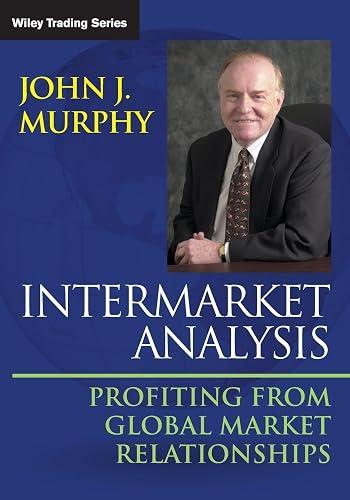
**Author:** John J. Murphy
**Estimated Reading Time:** 45 minutes
**What You'll Learn:**
- Why no financial market moves in isolation - How bonds, stocks, commodities, and currencies influence each other - The role of the business cycle in sector rotation - How to use ratio analysis for asset allocation decisions - What changes when deflation enters the picture - How long-term economic cycles shape multi-year trends
**Who This Book Is For:**
This book is for investors, traders, and financial professionals who want to move beyond single-market analysis. If you have ever wondered why your stock portfolio declined when commodity prices surged, or why bond yields matter for equity returns, this book provides the framework to understand those connections. It is also for anyone seeking a more complete picture of how global financial markets operate as an interconnected system rather than isolated silos.
For decades, most investors approached financial markets the way early mapmakers approached the world: one region at a time, with little understanding of how the pieces fit together. A stock analyst studied stocks. A bond trader watched interest rates. A commodity specialist tracked gold or oil. A currency strategist followed the dollar. Each operated in a separate domain, as if the markets existed in parallel universes that never touched. John Murphy saw something different. Beginning in the late 1980s, he noticed patterns that others had missed. When commodity prices rose sharply, bond prices tended to fall. When the dollar weakened, gold and other commodities often rallied. When bonds turned higher, stocks frequently followed months later. These were not random coincidences. They were systematic relationships that repeated across decades and across borders. The insight seems obvious in retrospect. All financial markets are connected because they all respond to the same underlying forces: economic growth, inflation, interest rates, and the flow of capital. A change in one market sends ripples through the others. Sometimes the ripples are immediate and dramatic. Other times they unfold over months, creating leading indicators that patient observers can use to anticipate major turns. Yet when Murphy first began writing about these relationships, the idea was considered radical. Traditional analysis treated each market as self-contained. Technical analysts studied price charts of individual securities. Fundamental analysts examined earnings reports and economic data for specific companies or sectors. Few people asked what the bond market might be saying about the future direction of stocks, or what commodity prices might reveal about inflation expectations. The problem with single-market analysis is that it provides an incomplete picture. Imagine trying to understand a chess game by watching only one piece on the board. You might learn a great deal about how that piece moves, but you would never grasp the strategy…
Continue reading in the MinuteRead app
Get the complete 30-minute summary of Intermarket Analysis
Get the complete summary in the appNo market moves in isolation. Stocks, bonds, commodities, and currencies form an interconnected system.
Commodity prices and bond yields tend to move in the same direction. Rising commodities mean higher yields and lower bon
Bonds usually lead stocks at major turning points. Watch the bond market for early warnings about stock market direction
The business cycle drives sector rotation. Different sectors lead at different stages of the cycle.
A falling dollar is bullish for commodities. A rising dollar is bearish.
Deflation changes the rules. During deflation, bonds rise while stocks fall, and cash is king.
"Intermarket Analysis" is a strong fit if you want practical ideas around finance, business, economics, especially themes like no market moves in isolation. stocks, bonds, commodities, and currencies form an interconnected system; commodity prices and bond yields tend to move in the same direction. rising commodities mean higher yields and lower bon. The MinuteRead summary distills these concepts into a focused read, whether you're deciding whether to buy the book or applying its lessons at work.
Motivated to help readers with no market moves in isolation Global linkages, John J. Murphy wrote “Intermarket Analysis” to package those ideas for a fast, focused read. Through “Intermarket Analysis”, John J. Murphy distills the core ideas on finance into lessons readers can absorb in a single short sitting. Readers turn to this work when they want John J. Murphy's perspective on the subject without working through the entire original volume. The book is structured so each chapter highlights a …
View all summaries by John J. MurphyContinue Reading
Access the complete 30-minute summary and thousands more nonfiction books in the MinuteRead app.

Continue reading the complete summary in the MinuteRead app.