MinuteRead
30 min
Book summary
Premium summary · Opens in the app · 30 min read
Most librarians do not enter the profession dreaming of spreadsheets, personnel evaluations, or budget negotiations. They enter because they believe in the power of information to transform lives. They love connecting people with knowledge, preserving cultural heritage, and creating spaces where communities can learn and grow. Yet at some point in nearly every librarian's career, the reality of organizational life arrives: someone must manage the library, and that someone might be you.
**Author:** G. Edward Evans
**Estimated Reading Time:** 42 minutes
**What You'll Learn:**
- Why managing a library requires a fundamentally different approach than managing a for-profit business - How to navigate the complex web of stakeholders, boards, and political realities that shape library leadership - The essential skills of communication, influence, and ethical decision-making that define effective library managers - How to build strategic plans that actually guide daily operations rather than gathering dust on a shelf - The financial, fundraising, and project management tools that keep libraries viable in an era of constrained resources - How to advocate effectively for your library's value in a competitive information landscape
**Who This Book Is For:**
This book is for current and aspiring library managers who find themselves responsible for leading organizations in the public and nonprofit sectors. It is for the librarian who has mastered collection development and reference services but now faces budget hearings, board meetings, and personnel challenges. It is for the library director who must balance the demands of patrons, staff, elected officials, and community partners. And it is for library science students who want a realistic, comprehensive understanding of what managerial leadership actually requires in the unique context of libraries.
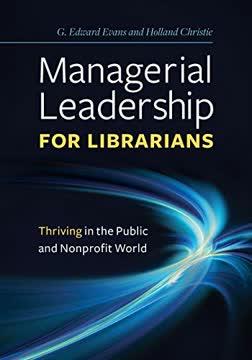
Most librarians do not enter the profession dreaming of spreadsheets, personnel evaluations, or budget negotiations. They enter because they believe in the power of information to transform lives. They love connecting people with knowledge, preserving cultural heritage, and creating spaces where communities can learn and grow. Yet at some point in nearly every librarian's career, the reality of organizational life arrives: someone must manage the library, and that someone might be you. The transition from librarian to library manager is one of the most challenging professional shifts in the field. The skills that make someone an excellent reference librarian, cataloger, or children's services specialist do not automatically translate into the skills needed to lead a department, branch, or entire library system. Managing people, budgets, boards, and strategic direction requires a different kind of expertise, one that many librarians find themselves developing on the job, often without adequate preparation. G. Edward Evans wrote Managerial Leadership for Librarians to address this gap. The book recognizes that library management is not simply generic management applied to a library setting. Libraries operate within a distinctive organizational context that shapes every aspect of leadership. They exist primarily in the public and nonprofit sectors, which means they face challenges that for-profit managers rarely encounter. They answer to multiple stakeholders with competing interests. They must demonstrate public value in ways that go beyond financial returns. They operate under scrutiny from taxpayers, donors, elected officials, and community members who all have opinions about how the…
Continue reading in the MinuteRead app
Get the complete 30-minute summary of Managerial Leadership for Librarians
Get the complete summary in the app**Know your sector.** Libraries operate primarily in public and nonprofit contexts with unique purposes, funding sources
**Communicate constantly.** Clear, consistent communication with all stakeholders is essential for organizational succes
**Build influence, not just authority.** Develop expert power and referent power through knowledge, relationships, and i
**Engage your board.** Board members are valuable partners who provide oversight, support, and community connections. Co
**Plan strategically.** Develop clear vision, mission, and values. Translate them into SMARTER goals and actionable plan
**Scan your environment.** Monitor demographic, technological, economic, political, social, and competitive trends. Use
"Managerial Leadership for Librarians" is a strong fit if you want practical ideas around school, professional development, management, especially themes like **know your sector.** libraries operate primarily in public and nonprofit contexts with unique purposes, funding sources; **communicate constantly.** clear, consistent communication with all stakeholders is essential for organizational succes. The MinuteRead summary distills these concepts into a focused read, whether you're deciding whether to buy the book or applying its lessons at work.
G. Edward Evans is an accomplished author and librarian with extensive experience in library management and leadership. He has written numerous books on library science and administration, contributing significantly to the field. Evans has held various positions in academic and public libraries, gaining practical insights that inform his writing. His work often focuses on providing guidance for librarians in managerial roles, addressing topics such as strategic planning, personnel management, an…
View all summaries by G. Edward EvansContinue Reading
Access the complete 30-minute summary and thousands more nonfiction books in the MinuteRead app.

Continue reading the complete summary in the MinuteRead app.