MinuteRead
30 min
Book summary
by Michael Lopp
Premium summary · Opens in the app · 30 min read
There is a moment every new engineering manager experiences, usually within the first few weeks of the job, when they realize that the skills that got them promoted are no longer the skills that will make them successful.
**Author:** Michael Lopp **Estimated Reading Time:** 45 minutes
**What You'll Learn:**
How to understand the unique personalities on your engineering team, build trust through honest communication, run effective one-on-ones, navigate organizational chaos, and become the kind of manager that talented people actually want to work for.
**Who This Book Is For:**
Engineering managers who feel overwhelmed by the human side of their job, technical leads transitioning into management, startup founders building their first teams, and anyone who has ever wondered why smart people do such baffling things at work.
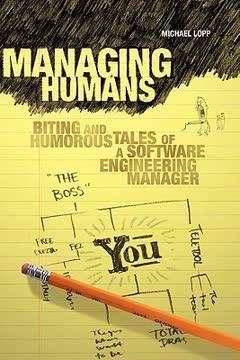
There is a moment every new engineering manager experiences, usually within the first few weeks of the job, when they realize that the skills that got them promoted are no longer the skills that will make them successful. You were promoted because you wrote excellent code. You shipped features. You debugged impossible problems at 2 a.m. You were reliable, technically brilliant, and productive. Then someone handed you a team and said, "Now you're responsible for these people." And suddenly, nothing works the way it used to. Your calendar fills with meetings that feel unproductive. Your inbox overflows with questions that seem to have no right answer. The people on your team, the ones you used to sit beside and solve problems with, now look at you differently. They want things from you that have nothing to do with code. They want clarity. They want direction. They want to be heard. Michael Lopp wrote *Managing Humans* because he lived through this transition and made every mistake possible along the way. For years, he wrote about his experiences on his blog, Rands in Repose, under the pseudonym "Rands." His writing attracted a devoted following among Silicon Valley engineers and managers because it did something rare: it treated management as a craft worth studying, not a burden to be endured. The book is not a traditional management manual. It does not offer a tidy framework with seven steps and a certificate at the end. Instead, it reads like a series of field notes from someone who has spent decades in the trenches of software development, observing the strange and wonderful ways that humans behave when they build things together. Lopp's central insight is deceptively simple: managing humans is not about processes, tools, or methodologies. It is about understanding people. The engineer who seems stubborn is often protecting something important. The quiet team member who never speaks in meetings has opinions that could save the project. The brilliant coder who keeps missing deadlines is not lazy; they are trapped in a perfectionism spiral that you could help them escape. The problem is that most managers never learn to see these patterns. They get promoted, they…
Continue reading in the MinuteRead app
Get the complete 30-minute summary of Managing Humans
Get the complete summary in the appStart one-on-ones with "How are you?" and actually listen to the answer.
Trust is the foundation of everything. Build it through transparency and consistency.
Different people need different management approaches. Understand each person's personality.
Protect your team's focus time. Interruptions are productivity killers.
Delegate with clarity and trust. Do not micromanage.
Have difficult conversations early. Avoiding them makes things worse.
"Managing Humans" is a strong fit if you want practical ideas around management, leadership, business, especially themes like start one-on-ones with "how are you?" and actually listen to the answer; trust is the foundation of everything. build it through transparency and consistency. The MinuteRead summary distills these concepts into a focused read, whether you're deciding whether to buy the book or applying its lessons at work.
Michael Lopp is a software engineering manager and author known for his blog "Rands in Repose." He gained popularity writing about management in the tech industry under the pseudonym "Rands." Lopp's experience in Silicon Valley informs his writing, which often focuses on the challenges of managing engineers and navigating startup culture. His style is characterized by humor, frankness, and the use of colorful analogies to describe workplace dynamics. While some readers find his perspectives insi…
View all summaries by Michael LoppContinue Reading
Access the complete 30-minute summary and thousands more nonfiction books in the MinuteRead app.

Continue reading the complete summary in the MinuteRead app.