MinuteRead
30 min
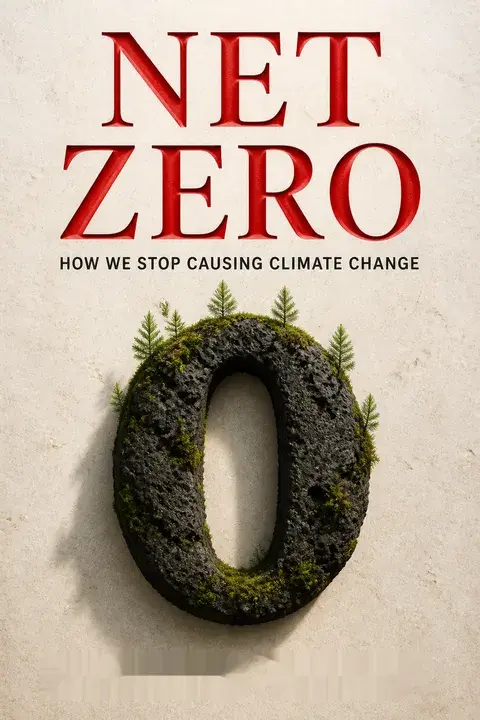
Book summary
by Dieter Helm
Premium summary · Opens in the app · 30 min read
There is a strange disconnect at the heart of modern climate policy. Never have so many governments, corporations, and individuals declared their commitment to tackling climate change. Never have so many summits, agreements, and pledges been made. And never has the concentration of carbon dioxide in the atmosphere been higher.
**Author:** Dieter Helm
**Estimated Reading Time:** 48 minutes
**What You'll Learn:**
- Why thirty years of climate policy have failed to reduce atmospheric carbon - How the UN's top-down approach creates perverse incentives - Why carbon consumption matters more than carbon production - What a properly designed carbon price with border adjustments looks like - How to rebuild infrastructure, agriculture, transport, and electricity markets for a net zero world - What principles must guide a genuinely sustainable economy
**Who This Book Is For:**
This book is for anyone who suspects that current climate policies are not working but cannot articulate why. It is for citizens who want to understand what effective action would actually require, for business leaders navigating the transition, and for policymakers frustrated by decades of unfulfilled promises. Dieter Helm writes with the conviction that we have wasted thirty years on symbolic gestures and that a fundamentally different approach is not only possible but necessary.
There is a strange disconnect at the heart of modern climate policy. Never have so many governments, corporations, and individuals declared their commitment to tackling climate change. Never have so many summits, agreements, and pledges been made. And never has the concentration of carbon dioxide in the atmosphere been higher. The numbers tell an uncomfortable story. In 1990, atmospheric carbon dioxide stood at approximately 355 parts per million. Today it exceeds 400 parts per million and continues to climb. The Covid-19 pandemic, which brought entire economies to a standstill, produced only a temporary dent in emissions. Within months, emissions rebounded. The relentless accumulation of carbon in the atmosphere did not pause. This book is an attempt to explain why. It is not a book about climate science, though the science underpins every argument. It is not a book about the moral case for action, though the moral case is compelling. It is a book about economics, incentives, and institutions. It argues that the reason we have failed is not that we lack the technology or the resources. We have failed because we have designed policies that do not address the fundamental economic realities of the problem. Dieter Helm is an economist at the University of Oxford who has spent decades working on energy policy and environmental economics. He has advised governments, chaired the Natural Capital Committee, and watched from close quarters as successive climate initiatives have fallen short. His perspective is that of someone who believes climate change is a serious problem but who has lost patience with the way it is being addressed. The central problem, as Helm sees it, is that climate change is a global public goods problem being addressed through a system of voluntary national commitments. Every country has…
Continue reading in the MinuteRead app
Get the complete 30-minute summary of Net Zero
Get the complete summary in the appAtmospheric carbon concentrations have risen every year for over six decades. Thirty years of climate policy have failed
The UN climate process is structurally incapable of solving the free-rider problem. Voluntary commitments without enforc
Carbon consumption matters more than carbon production. Production-based accounting hides the carbon embedded in importe
A carbon price with border adjustments is the single most important policy tool for addressing climate change. It correc
Infrastructure is a public good that requires public investment. The electricity grid, transport system, and digital net
Natural sequestration is the most cost-effective way to remove carbon from the atmosphere, but it is a complement to emi
"Net Zero" is a strong fit if you want practical ideas around climate change, economics, environment, especially themes like atmospheric carbon concentrations have risen every year for over six decades. thirty years of climate policy have failed; the un climate process is structurally incapable of solving the free-rider problem. voluntary commitments without enforc. The MinuteRead summary distills these concepts into a focused read, whether you're deciding whether to buy the book or applying its lessons at work.
Motivated to help readers with not even the Covid-19 coronavirus pandemic has failed to puncture the rise in the concentration of carbon in, Dieter Helm wrote “Net Zero” to package those ideas for a fast, focused read. In “Net Zero”, Dieter Helm focuses on not even the Covid-19 coronavirus pandemic has failed to puncture the rise in the concentration of carbon in. Through “Net Zero”, Dieter Helm distills the core ideas on climate change into lessons readers can absorb in a single short sitting. …
Continue Reading
Access the complete 30-minute summary and thousands more nonfiction books in the MinuteRead app.

Continue reading the complete summary in the MinuteRead app.