MinuteRead
30 min
Book summary
by Varun Sivaram
Premium summary · Opens in the app · 30 min read
Solar energy has a problem that almost nobody talks about. The technology has achieved staggering success over the past two decades. The cost of solar panels has fallen by more than 80 percent since 2010. Installations have grown at rates that consistently exceed projections. In many parts of the world, solar is now the cheapest source of new electricity generation. By any conventional measure, solar is winning.
**Author:** Varun Sivaram **Estimated Reading Time:** 45 minutes
**What You'll Learn:**
- Why solar energy is at a critical crossroads between stagnation and global dominance - The three types of innovation required to unlock solar's full potential - How financial engineering can channel trillions of dollars into solar deployment - Why next-generation materials like perovskites could revolutionize the industry - What systemic changes are needed to integrate solar into power grids at scale - How solar can transform energy access in developing countries - Why energy storage alone cannot solve solar's intermittency challenges - What it will take to turn sunlight into storable fuels
**Who This Book Is For:**
This book is for anyone who wants to understand the real future of energy. If you are an investor trying to navigate the clean energy transition, a policymaker shaping energy regulations, an entrepreneur looking for opportunities in solar, or simply a concerned citizen wondering whether solar can truly power the world, this book will give you the clarity you need. It is not a cheerleading exercise. It is an honest assessment of solar's remarkable progress, its very real limitations, and the specific innovations required to overcome them.
Solar energy has a problem that almost nobody talks about. The technology has achieved staggering success over the past two decades. The cost of solar panels has fallen by more than 80 percent since 2010. Installations have grown at rates that consistently exceed projections. In many parts of the world, solar is now the cheapest source of new electricity generation. By any conventional measure, solar is winning. Yet beneath this success lies a troubling paradox. The more solar power we add to the grid, the less valuable each additional solar panel becomes. This is not a minor technical issue. It is a fundamental economic challenge that threatens to stall the clean energy transition just when we need it most. The problem works like this. Solar panels generate electricity only when the sun shines. When solar provides a small fraction of a grid's power, this intermittency is easy to manage. Grid operators simply ramp other power plants up and down as needed. But as solar penetration rises, the challenge compounds. At midday, when solar output peaks, electricity prices can crash to zero or even turn negative. Solar plants earn less revenue during precisely the hours when they produce the most power. Meanwhile, they provide no power during evening hours when demand peaks and prices are highest. This dynamic creates what economists call a value deflation problem. The first solar panel added to a grid is extremely valuable. The millionth solar panel is worth far less. If this trend continues unchecked, solar could hit an economic…
Continue reading in the MinuteRead app
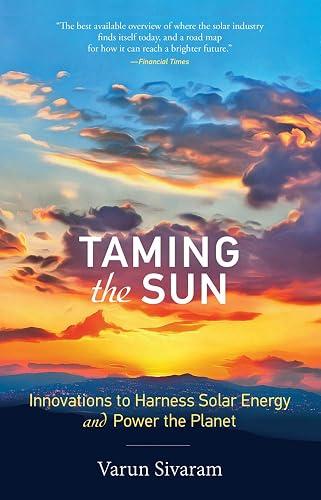
Get the complete 30-minute summary of Taming the Sun
Get the complete summary in the appSolar's value declines as its penetration increases, creating an economic ceiling that threatens to stall the clean ener
Three types of innovation are needed to overcome this ceiling: financial, technological, and systemic.
Institutional investors manage over $100 trillion but allocate less than 1 percent to infrastructure. Financial innovati
Perovskite solar cells have achieved unprecedented efficiency gains and could revolutionize the industry if stability ch
Solar fuels could transform the global energy system by providing storable, transportable energy from sunlight.
Batteries are not a silver bullet. A diverse portfolio of flexibility resources is needed to integrate high levels of so
"Taming the Sun" is a strong fit if you want practical ideas around science, technology, climate change, especially themes like solar's value declines as its penetration increases, creating an economic ceiling that threatens to stall the clean ener; three types of innovation are needed to overcome this ceiling: financial, technological, and systemic. The MinuteRead summary distills these concepts into a focused read, whether you're deciding whether to buy the book or applying its lessons at work.
Motivated to help readers with the year 2050 could see cities around the globe choked by pollution and the planet reeling from catastrophic, Varun Sivaram wrote “Taming the Sun” to package those ideas for a fast, focused read. In “Taming the Sun”, Varun Sivaram focuses on the year 2050 could see cities around the globe choked by pollution and the planet reeling from catastrophic. Through “Taming the Sun”, Varun Sivaram distills the core ideas on science into lessons readers can absorb in a singl…
Continue Reading
Access the complete 30-minute summary and thousands more nonfiction books in the MinuteRead app.

Continue reading the complete summary in the MinuteRead app.