MinuteRead
30 min
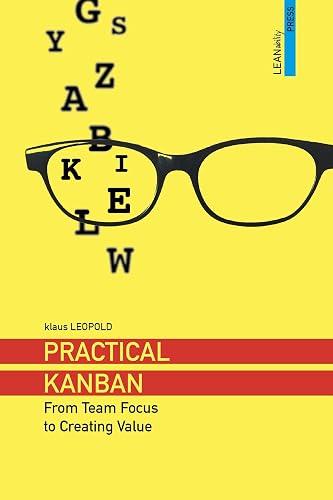
Book summary
by Klaus Leopold
Premium summary · Opens in the app · 30 min read
Most organizations are drowning in work while starving for results. People arrive early, leave late, and juggle more tasks than they can count. Yet projects slip. Customers wait. Value trickles out slowly, if at all. The natural response to this situation is to push harder. Managers demand more focus. Teams adopt new tools. Consultants sell new frameworks. And still, the gap between effort and outcomes remains.
**Author:** Klaus Leopold **Estimated Reading Time:** 42 minutes
**What You'll Learn:**
- Why optimizing individual teams often makes organizations slower - How to see your entire value creation system, not just isolated parts - The core practices that make Kanban work in real organizations - How to use data for forecasting instead of guessing - How to make economic decisions about what to work on next
**Who This Book Is For:**
This book is for managers, team leads, and practitioners who have tried Kanban at the team level and wondered why the organization still feels slow. It is for anyone frustrated by endless busyness that does not translate into delivered value. It is for leaders who suspect that the way work flows through their organization matters more than how hard individuals work.
Most organizations are drowning in work while starving for results. People arrive early, leave late, and juggle more tasks than they can count. Yet projects slip. Customers wait. Value trickles out slowly, if at all. The natural response to this situation is to push harder. Managers demand more focus. Teams adopt new tools. Consultants sell new frameworks. And still, the gap between effort and outcomes remains. Klaus Leopold wrote Practical Kanban to address a fundamental misunderstanding about how work gets done in organizations. The problem, he argues, is not that people are lazy or incompetent. The problem is that organizations optimize the wrong things. They optimize individual performance. They optimize team velocity. They optimize resource utilization. They optimize everything except the one thing that actually matters: the flow of value from customer request to customer delivery. Leopold is one of the pioneers of the Kanban movement, but his approach differs sharply from the mainstream. Most Kanban literature focuses on how a single team can visualize its work and limit work in progress. Leopold argues that this team-level focus misses the point entirely. The word "team" does not even appear in the service-oriented view of Kanban he advocates. What matters is the service: the complete chain of activities that turns a customer need into a delivered outcome. This shift in perspective changes everything. When you look at work through the lens of services rather than teams, you see things you could not see before. You see work waiting in queues between departments. You see bottlenecks that no single team can fix. You see local optimizations that make one team look good while making the whole system slower. You see the real reasons why work takes so long. The uncomfortable truth is that most organizations do not have a flow problem. They have a thinking problem. They think in terms of departments and handoffs rather than services and flow. They…
Continue reading in the MinuteRead app
Get the complete 30-minute summary of Practical Kanban
Get the complete summary in the appOptimize the whole service, not individual teams.
Visualize work to make problems visible.
Limit work in progress to reduce multitasking and shorten cycle times.
Stop starting, start finishing.
Treat blockades as signals of systemic issues.
Work is done when the customer can use it, not when you finish it.
"Practical Kanban" is a strong fit if you want practical ideas around management, business, technology, especially themes like optimize the whole service, not individual teams; visualize work to make problems visible. The MinuteRead summary distills these concepts into a focused read, whether you're deciding whether to buy the book or applying its lessons at work.
Motivated to help readers with kanban is not a method for optimizing teams, Klaus Leopold wrote “Practical Kanban” to package those ideas for a fast, focused read. In “Practical Kanban”, Klaus Leopold focuses on kanban is not a method for optimizing teams. Through “Practical Kanban”, Klaus Leopold distills the core ideas on management into lessons readers can absorb in a single short sitting. Readers turn to this work when they want Klaus Leopold's perspective on the subject without working thro…
Continue Reading
Access the complete 30-minute summary and thousands more nonfiction books in the MinuteRead app.

Continue reading the complete summary in the MinuteRead app.