MinuteRead
30 min
For decades, the world of sports science operated under a simple assumption: what works for men works for women, just in smaller doses. Researchers studied male athletes almost exclusively. They built training protocols around male physiology. They developed nutrition guidelines based on male metabolism. Then they handed those recommendations to women and expected the same results.
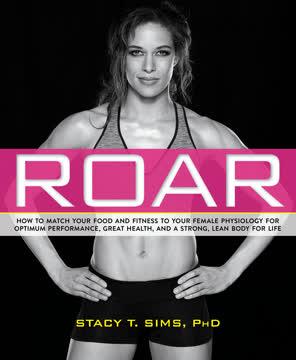
**Author:** Stacy T. Sims, PhD
**Estimated Reading Time:** 45 minutes
**What You'll Learn:** How female physiology fundamentally differs from male physiology, and how to use that knowledge to optimize training, nutrition, recovery, and performance across every stage of life.
**Who This Book Is For:** Active women who want science-based strategies tailored to their bodies. Whether you are a competitive athlete, a weekend warrior, or someone navigating the hormonal shifts of perimenopause and menopause, this book provides the roadmap that conventional fitness advice has failed to deliver.
For decades, the world of sports science operated under a simple assumption: what works for men works for women, just in smaller doses. Researchers studied male athletes almost exclusively. They built training protocols around male physiology. They developed nutrition guidelines based on male metabolism. Then they handed those recommendations to women and expected the same results. The problem is that women are not small men. The differences go far beyond size and strength. Female physiology operates on a completely different operating system, one governed by hormonal cycles that shift energy utilization, alter recovery needs, change thermoregulation, and influence everything from mood to motivation. When women train and eat according to rules designed for male bodies, they often end up frustrated, underperforming, injured, or simply exhausted. Stacy Sims experienced this disconnect firsthand. As an endurance athlete and exercise physiologist, she followed the standard advice and watched her own performance suffer. She noticed that her male training partners could push through workouts that left her depleted. She saw female athletes struggling with symptoms that no one in sports medicine seemed to understand or address. The research she needed simply did not exist. So she set out to create it. Sims earned her PhD in environmental exercise physiology and sports nutrition, then dedicated her career to studying how female physiology responds to training, nutrition, heat, altitude, and the hormonal fluctuations that define a woman's life. What she discovered was both liberating and infuriating. Liberating because the answers were there all along. Infuriating because the sports science establishment had ignored half the population for so long. This book is the result of that work. It is not a collection of generic fitness tips dressed up with pink packaging. It is a comprehensive guide to understanding how your body actually works, and how to work with it rather than against it. The book covers the menstrual cycle and how to train through each phase. It addresses pregnancy and the myths that have kept too many women sedentary. It tackles menopause with practical strategies for maintaining strength, bone density, and metabolic health. It explores gut health, bone health, brain training, and the unique challenges of performing in extreme conditions. The…
Continue reading in the MinuteRead app
Get the complete 30-minute summary of Roar
Get the complete summary in the appWomen are not small men. Your physiology is different, and your training and nutrition should be too.
Track your menstrual cycle and adjust your training accordingly. Hard workouts during the low-hormone phase, recovery du
Increase protein intake during the luteal phase to combat muscle breakdown and reduce PMS symptoms.
Menopause requires adaptation, not acceptance of decline. Increase protein, shift to power training, and prioritize bone
Exercise during pregnancy is safe and beneficial. Stay active with moderate intensity.
Focus on body composition, not weight. Build muscle through strength training.
"Roar" is a strong fit if you want practical ideas around health & fitness, health, fitness, especially themes like women are not small men. your physiology is different, and your training and nutrition should be too; track your menstrual cycle and adjust your training accordingly. hard workouts during the low-hormone phase, recovery du. The MinuteRead summary distills these concepts into a focused read, whether you're deciding whether to buy the book or applying its lessons at work.
Stacy T. Sims, PhD is an exercise physiologist and nutrition scientist specializing in sex differences and women's health. She holds a PhD in Environmental Exercise Physiology and Sports Nutrition. Sims has a background in endurance sports, particularly triathlon. Her work focuses on how female physiology affects athletic performance and how women can optimize their training and nutrition. Sims is known for her mantra "women are not small men" and advocates for tailored approaches to women's fit…
View all summaries by Stacy T. SimsContinue Reading
Access the complete 30-minute summary and thousands more nonfiction books in the MinuteRead app.

Continue reading the complete summary in the MinuteRead app.