MinuteRead
30 min
Book summary
by Anne Waugh
Premium summary · Opens in the app · 30 min read
The human body is the most complex structure known to us. It contains roughly thirty trillion cells, each one a living unit performing thousands of chemical reactions every second. These cells organize themselves into tissues, tissues into organs, and organs into systems that work together with astonishing precision. Your heart beats about one hundred thousand times each day. Your kidneys filter approximately one hundred and eighty liters of fluid daily. Your nervous system processes millions of
**Author:** Anne Waugh
**Estimated Reading Time:** 45 minutes
**What You'll Learn:** - How the human body is organized from microscopic cells to integrated organ systems - The chemical foundations that make life possible - How each major body system functions and why it matters - The mechanisms that maintain health and what happens when they fail - Practical understanding of anatomy and physiology for everyday life and clinical contexts
**Who This Book Is For:** This condensed edition is for anyone who wants a genuine understanding of how the human body works. Whether you are a nursing student preparing for clinical practice, a healthcare professional refreshing your knowledge, a student beginning your journey into the health sciences, or simply a curious reader who wants to understand the remarkable machinery of your own body, this book provides a clear and comprehensive foundation.
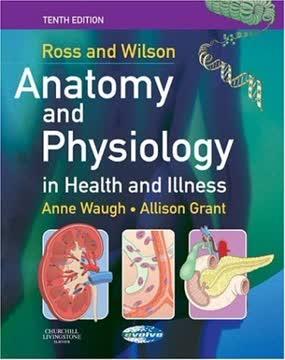
The human body is the most complex structure known to us. It contains roughly thirty trillion cells, each one a living unit performing thousands of chemical reactions every second. These cells organize themselves into tissues, tissues into organs, and organs into systems that work together with astonishing precision. Your heart beats about one hundred thousand times each day. Your kidneys filter approximately one hundred and eighty liters of fluid daily. Your nervous system processes millions of signals every moment, most of them without your conscious awareness. Yet most of us go through life knowing remarkably little about how this extraordinary machine actually works. We know that the heart pumps blood and the lungs take in oxygen, but few people can explain how blood pressure is maintained, why hormones matter, or what actually happens when food enters the digestive tract. This gap in understanding matters. When we understand how the body works, we make better decisions about our health. We recognize warning signs earlier. We communicate more effectively with healthcare professionals. We appreciate the profound interconnectedness of every system in the body. Anne Waugh's "Ross and Wilson Anatomy and Physiology in Health and Illness" has been a cornerstone of health education for decades. The book has guided generations of nurses, midwives, physiotherapists, and medical students through the intricacies of human biology. Its enduring value comes from a clear philosophy: anatomy and physiology are not separate subjects to be memorized in isolation. They are two sides of the same coin. Structure determines function, and function shapes structure. The shape of a red blood cell, with its biconcave disc form, exists to maximize surface area for oxygen exchange. The arrangement of the heart's chambers and valves exists to ensure blood flows in one direction. Understanding this relationship transforms a list of facts into a coherent picture of a living system. This condensed edition…
Continue reading in the MinuteRead app
Get the complete 30-minute summary of Ross and Wilson Anatomy and Physiology in Health and Illness
Get the complete summary in the appThe body is organized hierarchically: cells form tissues, tissues form organs, organs form systems, and systems form the
Structure determines function. The shape of every biological component exists to enable its specific role.
Homeostasis is the active maintenance of a stable internal environment, achieved primarily through negative feedback loo
The cardiovascular system delivers oxygen and nutrients to every cell and removes waste products, making it essential fo
The nervous system provides rapid control through electrical signals, while the endocrine system provides slower control
The respiratory system brings in oxygen and removes carbon dioxide, with breathing driven primarily by carbon dioxide le
"Ross and Wilson Anatomy and Physiology in Health and Illness" is a strong fit if you want practical ideas around health & fitness, medical, medicine, especially themes like the body is organized hierarchically: cells form tissues, tissues form organs, organs form systems, and systems form the; structure determines function. the shape of every biological component exists to enable its specific role. The MinuteRead summary distills these concepts into a focused read, whether you're deciding whether to buy the book or applying its lessons at work.
Anne Waugh is the author of "Ross and Wilson Anatomy and Physiology in Health and Illness," a highly regarded textbook in the field of human biology. While specific biographical information is not provided in the given content, Waugh's work has made a significant impact in medical education. The book's widespread use and positive reception among students and professionals alike suggest that Waugh possesses extensive knowledge and expertise in anatomy and physiology. Her ability to present comple…
View all summaries by Anne WaughContinue Reading
Access the complete 30-minute summary and thousands more nonfiction books in the MinuteRead app.

Continue reading the complete summary in the MinuteRead app.