MinuteRead
30 min
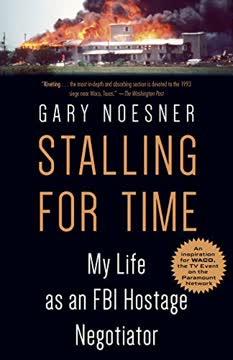
Book summary
by Gary Noesner
Premium summary · Opens in the app · 30 min read
The phone rings. On the other end is a man with a gun, a bomb, or a grievance that has pushed him past the point of reason. He has hostages. He has demands. And he has decided that today might be the day he dies.
**Author:** Gary Noesner **Estimated Reading Time:** 45 minutes
**What You'll Learn**
The real story behind America's most infamous hostage crises and the quiet art of talking people down from the edge. You will learn how FBI negotiators use patience, listening, and strategic communication to resolve situations that seem impossible. You will understand why Waco went so terribly wrong and how the Montana Freemen standoff went so right. And you will discover that the skills used to defuse life-or-death crises are the same skills that can transform difficult conversations in your own life.
**Who This Book Is For**
This book is for anyone who has ever faced a conversation they did not know how to have. It is for leaders who need to influence without authority, for professionals who deal with conflict, and for readers fascinated by the psychology of extreme situations. Most of all, it is for anyone who believes that talking is almost always better than fighting.
The phone rings. On the other end is a man with a gun, a bomb, or a grievance that has pushed him past the point of reason. He has hostages. He has demands. And he has decided that today might be the day he dies. What do you say? Most people imagine crisis negotiation as a kind of verbal combat. They picture tough-talking agents wearing down a suspect with clever arguments and psychological tricks. They think the goal is to win, to dominate, to force surrender. Gary Noesner spent thirty years in the FBI learning that almost everything about that picture is wrong. The real work of a hostage negotiator is slower, quieter, and far more difficult than most people understand. It is not about winning arguments. It is about building something that did not exist before the phone rang: a relationship. It is about creating enough trust, moment by moment and word by word, that a person who sees no way out begins to imagine one. Noesner was there for the defining crises of modern American law enforcement. He talked to Randy Weaver during the Ruby Ridge standoff. He watched in horror as Waco burned, having warned for weeks that the tactical approach would end in disaster. He spent 81 days in Montana patiently unraveling the Freeman siege, proving that words could succeed where force would have failed. He advised on international kidnappings, prison riots, and terrorist hijackings. What he learned across those decades was not a set of tricks. It was a philosophy of human interaction. People in crisis are not rational actors making calculated decisions. They are flooded with emotion, trapped by their own psychology, and desperately in need of something they cannot articulate. The negotiator's job is to…
Continue reading in the MinuteRead app
Get the complete 30-minute summary of Stalling for Time
Get the complete summary in the appBuild the relationship before you try to solve the problem. Trust is the currency of influence.
Listen more than you talk. The other person will tell you how to help them if you let them.
Never lie. Trust destroyed is almost impossible to rebuild.
Time is your ally. Patience is not weakness. It is the medium in which resolution grows.
Do not argue with beliefs. Work around them.
Coordinate your actions with your words. Nothing destroys trust faster than saying one thing and doing another.
"Stalling for Time" is a strong fit if you want practical ideas around true crime, memoir, crime, especially themes like build the relationship before you try to solve the problem. trust is the currency of influence; listen more than you talk. the other person will tell you how to help them if you let them. The MinuteRead summary distills these concepts into a focused read, whether you're deciding whether to buy the book or applying its lessons at work.
Gary Noesner spent 30 years with the FBI, retiring as Chief of the Crisis Negotiation Unit. He played a crucial role in developing hostage negotiation techniques and protocols still used today. Noesner was involved in numerous high-profile cases, including Ruby Ridge, Waco, and the DC sniper attacks. He is credited with helping to establish the FBI's negotiation team and training programs. Known for his calm demeanor and emphasis on communication, Noesner's approach prioritized peaceful resoluti…
View all summaries by Gary NoesnerContinue Reading
Access the complete 30-minute summary and thousands more nonfiction books in the MinuteRead app.

Continue reading the complete summary in the MinuteRead app.