MinuteRead
30 min
Book summary
Premium summary · Opens in the app · 30 min read
Every object around you was designed. The chair you sit on, the phone in your pocket, the bridge you crossed this morning, the software you used before breakfast. Each one emerged from a process that began with someone noticing that something was not quite right.
**Author:** Henry Petroski
**Estimated Reading Time:** 42 minutes
**What You'll Learn:**
- Why failure, not necessity, drives every meaningful innovation - How successful designs contain the seeds of their own destruction - Why the tallest buildings and longest bridges often fail in predictable ways - How the same design principles govern physical objects, games, and constitutions - What history teaches about anticipating and preventing catastrophic failures
**Who This Book Is For:**
Anyone who designs, builds, manages, or simply uses the products, systems, and structures of modern life. Engineers will find a deeper framework for their work. Managers will discover why successful products eventually fail. Curious readers will gain a new lens for understanding why things break, why innovations happen, and what separates lasting designs from fleeting ones.
Every object around you was designed. The chair you sit on, the phone in your pocket, the bridge you crossed this morning, the software you used before breakfast. Each one emerged from a process that began with someone noticing that something was not quite right. Most people believe that necessity drives invention. We assume that when a need becomes urgent enough, someone will invent a solution. This comforting story suggests that progress follows a logical path from problem to solution, from lack to fulfillment. Henry Petroski spent his career demonstrating that this story is wrong. The true engine of invention is not necessity. It is dissatisfaction. It is the nagging sense that something could be better, faster, lighter, safer, or more elegant than it currently is. It is the frustration of a broken tool, the annoyance of a slow process, the disappointment of a design that fails to meet expectations. This distinction matters more than it might first appear. If necessity were the mother of invention, then inventors would simply wait for needs to become urgent and then fill them. But history shows something different. Inventors and designers are rarely responding to absolute need. They are responding to failure. Consider the humble paper clip. There was no desperate need for a better way to hold papers together. Pins worked. String worked. Wax seals worked. Yet someone looked at the bent wire fastener of their day and thought, "This could be better." That thought, born of dissatisfaction with an existing design, led to one of the most ubiquitous objects in modern offices. The same pattern appears everywhere. The automobile was not invented because horses became unavailable. The smartphone was not created because people could no longer make phone calls. These inventions emerged because existing solutions, while functional, failed to satisfy some deeper desire for speed, convenience, capability, or elegance. Petroski's insight transforms how we should think about design. Every object, system, and structure represents…
Continue reading in the MinuteRead app
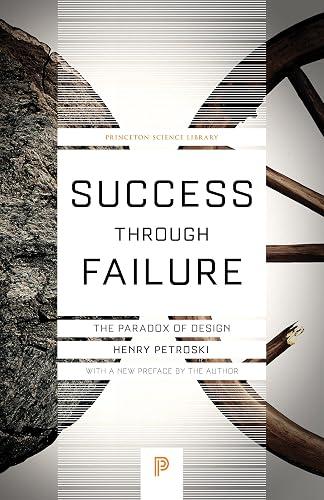
Get the complete 30-minute summary of Success through Failure
Get the complete summary in the appFailure, not necessity, drives invention. Dissatisfaction with existing designs is the engine of innovation.
Every design is a response to the failures of previous designs. Form follows failure.
Success is always temporary. Every design will eventually fail to meet expectations.
Success masks potential failures. The very things that make us successful can blind us to the conditions that made that
Past success is no guarantee of future performance. The conditions that made a design successful may not hold in a new c
Scale matters. Design principles that work at one scale may fail at another.
"Success through Failure" is a strong fit if you want practical ideas around engineering, technology, science, especially themes like failure, not necessity, drives invention. dissatisfaction with existing designs is the engine of innovation; every design is a response to the failures of previous designs. form follows failure. The MinuteRead summary distills these concepts into a focused read, whether you're deciding whether to buy the book or applying its lessons at work.
Motivated to help readers with desire, Henry Petroski wrote “Success through Failure” to package those ideas for a fast, focused read. Through “Success through Failure”, Henry Petroski distills the core ideas on engineering into lessons readers can absorb in a single short sitting. Readers turn to this work when they want Henry Petroski's perspective on the subject without working through the entire original volume. The book is structured so each chapter highlights a practical lesson from Henry …
View all summaries by Henry PetroskiContinue Reading
Access the complete 30-minute summary and thousands more nonfiction books in the MinuteRead app.

Continue reading the complete summary in the MinuteRead app.