MinuteRead
30 min
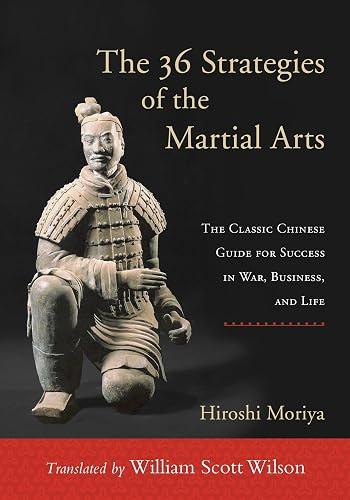
Book summary
by Hiroshi Moriya
Premium summary · Opens in the app · 30 min read
Most people believe that winning means defeating an opponent. They imagine victory as a moment of triumph: the final blow, the decisive move, the competitor left behind. This belief shapes how they approach every conflict in life. They push harder, argue louder, and fight longer, convinced that persistence and force will eventually prevail.
**Author:** Hiroshi Moriya
**Estimated Reading Time:** 45 minutes
**What You'll Learn:**
- Why the greatest victory requires no battle at all - How to read opponents before they reveal themselves - The strategic value of patience, retreat, and apparent weakness - How ancient martial wisdom applies to modern competition and conflict - The difference between Japanese and Chinese strategic thinking
**Who This Book Is For:**
This book is for anyone who faces opposition, whether in business, relationships, or personal ambition. It is for leaders who want to win without destroying. It is for strategists who understand that force is often the least effective tool. It is for readers who sense that the deepest wisdom about conflict comes not from learning how to fight harder, but from learning how to think more clearly.
Most people believe that winning means defeating an opponent. They imagine victory as a moment of triumph: the final blow, the decisive move, the competitor left behind. This belief shapes how they approach every conflict in life. They push harder, argue louder, and fight longer, convinced that persistence and force will eventually prevail. Hiroshi Moriya challenges this assumption at its root. Drawing on centuries of Chinese martial and military tradition, he presents a different vision of victory. True mastery, he argues, is not about winning battles. It is about making battles unnecessary. The distinction matters more than it first appears. When you win by force, you create resentment. The defeated opponent waits for revenge. The cost of victory may exceed its value. Resources are spent, relationships are damaged, and the cycle of conflict continues. But when you win by strategy, the opponent often does not even realize they have been defeated. They simply stop resisting. They may even believe the outcome was their own idea. This is the art that Moriya explores through thirty-six classical strategies, each rooted in the martial traditions of China. These strategies were not developed in a classroom. They emerged from centuries of actual combat, political intrigue, and survival. They were tested by generals, warriors, and statesmen who understood that life and death depended on clear thinking. The strategies are not a checklist. They are a way of seeing. They teach you to observe situations before acting, to understand opponents before confronting them, and to recognize opportunities that others miss. Some strategies are direct, others indirect. Some require patience, others demand speed. Together, they form a complete system for navigating conflict in any domain. Moriya brings a unique perspective to this material. As a Japanese author interpreting Chinese strategy, he understands both the similarities and the profound differences between these two martial cultures. Japanese strategy, he notes, often emphasizes direct confrontation, honor, and the…
Continue reading in the MinuteRead app
Get the complete 30-minute summary of The 36 Strategies of the Martial Arts
Get the complete summary in the appThe highest form of victory is to win without fighting.
Know yourself and know your opponent before making any strategic decision.
Deception is not dishonesty. It is the control of perception to influence behavior.
Every disadvantage contains a hidden advantage if you know how to find it.
Patience is the discipline of waiting for the right moment, not the avoidance of action.
Retreat is a strategic tool for preserving strength and choosing better conditions.
"The 36 Strategies of the Martial Arts" is a strong fit if you want practical ideas around martial arts, philosophy, self help, especially themes like the highest form of victory is to win without fighting; know yourself and know your opponent before making any strategic decision. The MinuteRead summary distills these concepts into a focused read, whether you're deciding whether to buy the book or applying its lessons at work.
Motivated to help readers with to win one hundred battles is not the highest good, Hiroshi Moriya wrote “The 36 Strategies of the Martial Arts” to package those ideas for a fast, focused read. In “The 36 Strategies of the Martial Arts”, Hiroshi Moriya focuses on to win one hundred battles is not the highest good. Through “The 36 Strategies of the Martial Arts”, Hiroshi Moriya distills the core ideas on martial arts into lessons readers can absorb in a single short sitting. Readers turn to this w…
Continue Reading
Access the complete 30-minute summary and thousands more nonfiction books in the MinuteRead app.

Continue reading the complete summary in the MinuteRead app.