MinuteRead
30 min
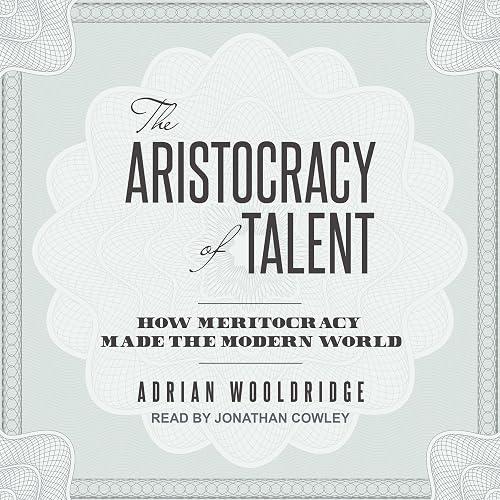
Book summary
by Adrian Wooldridge
Premium summary · Opens in the app · 30 min read
"Meritocracy, a word invented as recently as 1958 by the British sociologist Michael Young, is the closest thing we have today to a universal ideology." Definition and core principles.
**Author:** Adrian Wooldridge
**Estimated Reading Time:** 45 minutes
**What You'll Learn:**
- How meritocracy evolved from a radical philosophical idea into the dominant organizing principle of modern society - The hidden history of intelligence testing and its controversial legacy - Why the rise of women represents one of meritocracy's greatest triumphs - The deep tensions between equality of opportunity and equality of outcome - How meritocracy created new elites while dismantling old ones - What the future holds for a system that promises fairness but often delivers inequality
**Who This Book Is For:**
This book is for anyone who has ever wondered whether hard work and talent truly determine success. It is for students navigating competitive educational systems, professionals questioning the fairness of their workplaces, parents concerned about their children's opportunities, and citizens trying to understand the deep divisions in modern democracies. If you have ever felt that the game is rigged, or alternatively, that you earned everything you have, this book will challenge your assumptions and deepen your understanding of how the modern world actually works.
Every society must answer a fundamental question: who gets what, and why? For most of human history, the answer was straightforward. Birth determined destiny. The son of a king became a king. The daughter of a peasant became a peasant. Your family name, your inherited land, your bloodline, these were the currencies of social position. Talent mattered far less than ancestry. Effort mattered far less than entitlement. Then something remarkable happened. Over the past two centuries, a revolutionary idea took hold: that individuals should rise based on their abilities and efforts rather than their parentage. That society should identify and reward talent wherever it appears. That the smartest, most capable, most hardworking people should lead, regardless of where they came from. This idea has a name: meritocracy. The word itself is surprisingly young. It was coined in 1958 by the British sociologist Michael Young in a satirical novel called "The Rise of the Meritocracy." Young intended the term as a warning. He imagined a dystopian future where a new elite, selected purely on intelligence, would rule over a resentful underclass of the less gifted. The satire was biting. The warning was clear. But something unexpected happened. The word escaped its satirical origins and became an aspiration. Politicians across the political spectrum embraced it. Parents demanded it for their children. Universities restructured themselves around it. Corporations adopted it as their hiring philosophy. Within decades, meritocracy transformed from a cautionary tale into the closest thing the modern world has to a universal ideology. This transformation is one of the most consequential developments in modern history. It has dismantled aristocracies, opened doors for women and minorities,…
Continue reading in the MinuteRead app
Get the complete 30-minute summary of The Aristocracy of Talent
Get the complete summary in the appMeritocracy is the idea that social position should be based on ability and effort, not birth or connections.
The word "meritocracy" was coined as a warning in 1958 but became an aspiration.
The American and French Revolutions transformed meritocracy from philosophy into political reality.
Intelligence testing promised to make meritocracy scientific but raised troubling questions about fairness.
The post-war period expanded educational opportunity and created a new meritocratic elite.
The rise of women is one of meritocracy's greatest achievements.
"The Aristocracy of Talent" is a strong fit if you want practical ideas around history, politics, sociology, especially themes like meritocracy is the idea that social position should be based on ability and effort, not birth or connections; the word "meritocracy" was coined as a warning in 1958 but became an aspiration. The MinuteRead summary distills these concepts into a focused read, whether you're deciding whether to buy the book or applying its lessons at work.
Motivated to help readers with "Meritocracy, Adrian Wooldridge wrote “The Aristocracy of Talent” to package those ideas for a fast, focused read. In “The Aristocracy of Talent”, Adrian Wooldridge focuses on "Meritocracy. Through “The Aristocracy of Talent”, Adrian Wooldridge distills the core ideas on history into lessons readers can absorb in a single short sitting. Readers turn to this work when they want Adrian Wooldridge's perspective on the subject without working through the entire origina…
Continue Reading
Access the complete 30-minute summary and thousands more nonfiction books in the MinuteRead app.

Continue reading the complete summary in the MinuteRead app.