MinuteRead
30 min
Book summary
Premium summary · Opens in the app · 30 min read
There are days when you miss yourself more than you have ever missed anyone else.
**Author:** Renuka Gavrani
**Estimated Reading Time:** 45 minutes
**What You'll Learn:**
- The critical difference between solitude and loneliness - How to build a genuine relationship with yourself - Why waiting for others to complete you keeps you stuck - Practical frameworks for turning alone time into growth time - How to define success on your own terms
**Who This Book Is For:**
Anyone who has ever felt hollow in a crowded room, mourned friendships that faded, or wondered why being alone feels unbearable. If you have ever waited for someone to save you from your own life, this book is for you.
There are days when you miss yourself more than you have ever missed anyone else. That sentence lands differently depending on where you are in life. For some, it sounds like poetry. For others, it sounds like a diagnosis. Renuka Gavrani wrote this book for the second group: the people who have spent so long performing for others that they have forgotten what their own voice sounds like. The problem is not that we spend time alone. The problem is that we have never been taught what to do with it. From childhood, we absorb a simple message: being alone means something is wrong with you. The kid eating lunch by themselves in every movie is the weirdo, the outcast, the character waiting to be rescued. The person who stays home on a Friday night is pitied. The one who travels solo is brave, sure, but also a little sad, aren't they? Gavrani lived inside this fear for years. During her first months of college, she found herself without friends. Not because anything dramatic happened. Simply because the friendships she expected to form did not materialize. And in that space, she discovered something uncomfortable: she was not actually lonely. She was terrified of being perceived as lonely. There is a difference. The terror of being seen as a loner drove her to perform. She laughed at jokes she did not find funny. She attended gatherings she dreaded. She shaped herself into whatever version of herself each room seemed to require. And the more she performed, the more hollow she felt. The loneliness of a crowded room, she discovered, is far worse than the solitude of an empty one. This book exists because that experience is not unique. Millions of people drift through life feeling disconnected not from others but from themselves. They cannot sit alone with their thoughts for ten minutes without reaching for a phone. They cannot make a decision without checking what everyone else thinks. They have lost the ability to hear their own inner voice beneath the noise of everyone else's opinions. Gavrani's approach…
Continue reading in the MinuteRead app
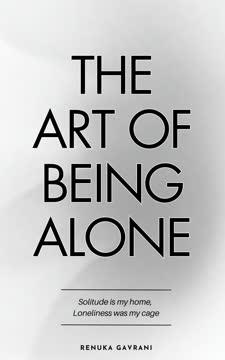
Get the complete 30-minute summary of The Art of Being ALONE
Get the complete summary in the app**Loneliness is missing yourself, not missing people.** The solution is self-discovery, not more socializing.
**You are the lead of your own story.** Stop waiting for someone to save you.
**People-pleasing hollows you out.** Every time you suppress a preference, you lose a piece of yourself.
**Know yourself, including the dark parts.** You cannot love what you refuse to acknowledge.
**Start with what you reject.** You may not know who you are, but you know what you are not.
**Friendships are transient.** Enjoy people as bonuses rather than life support.
"The Art of Being ALONE" is a strong fit if you want practical ideas around inspiration, self help, psychology, especially themes like **loneliness is missing yourself, not missing people.** the solution is self-discovery, not more socializing; **you are the lead of your own story.** stop waiting for someone to save you. The MinuteRead summary distills these concepts into a focused read, whether you're deciding whether to buy the book or applying its lessons at work.
Renuka Gavrani is the author of "The Art of Being ALONE." While limited information is available about her background, the book appears to be her debut work. Gavrani's writing style is described as straightforward and easy to follow, though some readers noted grammatical errors and a blog-like tone. Her approach draws heavily from personal experiences, particularly regarding friendships and self-discovery. Gavrani emphasizes the importance of solitude for personal growth and self-awareness. She …
View all summaries by Renuka GavraniContinue Reading
Access the complete 30-minute summary and thousands more nonfiction books in the MinuteRead app.

Continue reading the complete summary in the MinuteRead app.