MinuteRead
30 min
Book summary
Premium summary · Opens in the app · 30 min read
For decades, the conventional wisdom about weight loss has been remarkably consistent. Eat less. Move more. Exercise willpower. If you fail, the problem is you. You lack discipline. You are not trying hard enough. You simply do not want it badly enough.
**Author:** Rachael F. Heller
**Estimated Reading Time:** 45 minutes
**What You'll Learn:**
- Why carbohydrate addiction is a real physiological condition, not a character flaw - How excess insulin production drives cravings, hunger, and weight gain - The power of the Reward Meal and how controlled indulgence can break the addiction cycle - How to structure your day with Complementary Meals to reset your insulin levels - Practical strategies for identifying triggers, planning meals, and tracking progress - How to customize the diet to your individual needs and health goals
**Who This Book Is For:**
- Anyone who has struggled with intense cravings for bread, pasta, sweets, or snack foods - People who feel hungry shortly after eating a full meal - Those who have tried conventional diets and found them unsustainable - Individuals who feel they lack willpower around food and want to understand why - Anyone seeking a practical, sustainable approach to weight loss that does not require giving up favorite foods forever
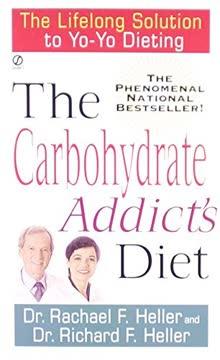
For decades, the conventional wisdom about weight loss has been remarkably consistent. Eat less. Move more. Exercise willpower. If you fail, the problem is you. You lack discipline. You are not trying hard enough. You simply do not want it badly enough. Millions of people have internalized this message. They have blamed themselves for their inability to stick to diets. They have felt shame after late-night binges on bread, cookies, or chips. They have started each Monday with renewed determination, only to find themselves defeated by Thursday, consumed by cravings they could not explain or control. What if the problem was never willpower? What if the intense, overwhelming desire for carbohydrate-rich foods was not a moral failing but a biological reality? What if your body was working against you in ways you never understood? This is the central premise of Dr. Rachael F. Heller's groundbreaking book, The Carbohydrate Addict's Diet. Published in the early 1990s, it was among the first mainstream books to challenge the low-fat, high-carbohydrate orthodoxy promoted by the USDA food pyramid. At a time when pasta, bread, and rice were celebrated as health foods, Heller and her co-author Richard Heller proposed something radical: for a significant portion of the population, carbohydrates were not just fattening, they were addictive. The Hellers did not arrive at this conclusion through abstract theory. They lived it. Both struggled with their weight for years. Both experienced the relentless cravings, the constant hunger, the feeling of being controlled by food. They tried conventional diets and failed repeatedly. It was only when they began researching the underlying physiology of hunger and cravings that they discovered something that changed everything. The scientific literature, they found, had been documenting carbohydrate addiction…
Continue reading in the MinuteRead app
Get the complete 30-minute summary of The Carbohydrate Addict's Diet
Get the complete summary in the appCarbohydrate addiction is a real physiological condition affecting 75 to 85 percent of overweight individuals. It is not
Excess insulin production drives carbohydrate cravings. When you eat carbohydrates, your pancreas overreacts, causing bl
The solution is to regulate insulin levels. Two low-carbohydrate Complementary Meals per day allow your insulin levels t
The Reward Meal allows you to eat anything you want once a day, within a 60-minute window. This prevents deprivation and
Complementary Meals consist of protein, low-carbohydrate vegetables, and healthy fats. They keep insulin levels low and
Weigh yourself daily but focus on your weekly average. Daily fluctuations are normal and do not reflect true progress.
"The Carbohydrate Addict's Diet" is a strong fit if you want practical ideas around health & fitness, health, diets, especially themes like carbohydrate addiction is a real physiological condition affecting 75 to 85 percent of overweight individuals. it is not; excess insulin production drives carbohydrate cravings. when you eat carbohydrates, your pancreas overreacts, causing bl. The MinuteRead summary distills these concepts into a focused read, whether you're deciding whether to buy the book or applying its lessons at work.
Dr. Rachael F. Heller is the author of The Carbohydrate Addict's Diet, a book that proposes a novel approach to weight loss and managing carbohydrate cravings. Dr. Heller, along with her co-author, developed this diet based on their personal experiences and clinical work. The book, published in the 1990s, was one of the first to advocate for a low-carb lifestyle, challenging the then-prevalent USDA food pyramid recommendations. Dr. Heller's work focuses on the relationship between insulin produc…
View all summaries by Rachael F. HellerContinue Reading
Access the complete 30-minute summary and thousands more nonfiction books in the MinuteRead app.

Continue reading the complete summary in the MinuteRead app.