MinuteRead
30 min
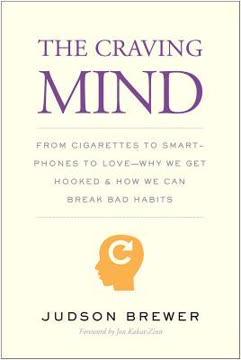
Book summary
Premium summary · Opens in the app · 30 min read
**Author:** Judson Brewer **Estimated Reading Time:** 45 minutes
**What You'll Learn:**
* Why addiction is not limited to substances but shapes everyday behaviors * How your brain's reward system gets hijacked by modern technology * Why willpower alone fails against craving * How mindfulness rewires the brain's habit loops * Practical techniques to break free from compulsive behaviors
**Who This Book Is For:**
Anyone who has ever checked their phone compulsively, reached for comfort food without thinking, or found themselves trapped in a habit they cannot seem to break. This book is for people who want to understand why they crave, why they repeat behaviors that do not serve them, and how awareness can create lasting change.
You are not weak. You are not broken. You are simply human. Every day, millions of people wake up with the intention to eat better, smoke less, check their phones less often, or stop worrying so much. By noon, many of those intentions have collapsed. By evening, the familiar cycle of guilt and frustration begins again. The question that haunts so many of us is simple: Why do I keep doing things I do not want to do? Judson Brewer, a psychiatrist and neuroscientist at Yale University, has spent his career investigating this question. His research spans brain imaging studies, clinical trials with smokers, and the development of mindfulness-based digital therapeutics. What he discovered challenges the way most of us think about addiction and habit change. The traditional view of addiction focuses on substances. We imagine an addict as someone whose life has been destroyed by heroin, alcohol, or cocaine. But Brewer argues that this narrow view misses something crucial. The same brain processes that drive substance addiction also drive everyday behaviors like checking social media, eating junk food, worrying, and even falling into self-critical thought patterns. Addiction, in his view, is not a rare affliction. It is a universal human vulnerability. The problem begins with how our brains learn. Reward-based learning is one of the oldest and most powerful systems in the brain. It evolved to help us survive by remembering what feels good and seeking it again. When you eat food and it tastes good, your brain releases dopamine. This dopamine signal tells your brain to remember the context, the action, and the result. The next time you encounter a similar context, your brain triggers the urge to repeat the behavior. This is how habits form. This system works beautifully when the rewards are aligned with survival. Eating nutritious food, seeking warmth, and forming social bonds all reinforce behaviors that keep us alive and thriving. But the system has a vulnerability. It does not distinguish between rewards that serve us and…
Continue reading in the MinuteRead app
Get the complete 30-minute summary of The Craving Mind
Get the complete summary in the appAddiction is reward-based learning, not a moral failing.
The habit loop consists of trigger, behavior, and reward.
Technology exploits your reward system through intermittent reinforcement.
Willpower is a poor match for deeply ingrained habits. Awareness is more effective.
Mindfulness is about seeing clearly, not escaping discomfort.
Disenchantment occurs when you observe a behavior's actual consequences.
"The Craving Mind" is a strong fit if you want practical ideas around health & fitness, psychology, self help, especially themes like addiction is reward-based learning, not a moral failing; the habit loop consists of trigger, behavior, and reward. The MinuteRead summary distills these concepts into a focused read, whether you're deciding whether to buy the book or applying its lessons at work.
Judson Brewer is a neuroscientist, psychiatrist, and author specializing in addiction and mindfulness. He is affiliated with Yale University and has conducted extensive research on the effects of meditation on the brain. Brewer has developed mindfulness-based apps to help people overcome addictions and bad habits. He draws on both scientific studies and Buddhist teachings in his work. Brewer is known for his TED talks and has written other books on mindfulness and addiction. His approach combine…
View all summaries by Judson BrewerContinue Reading
Access the complete 30-minute summary and thousands more nonfiction books in the MinuteRead app.

Continue reading the complete summary in the MinuteRead app.