MinuteRead
30 min
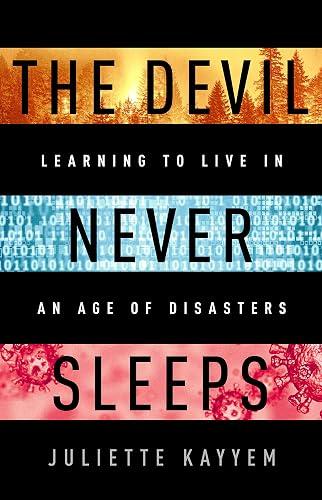
Book summary
by Juliette Kayyem
Premium summary · Opens in the app · 30 min read
The conventional wisdom about disasters is comforting and completely wrong. We tell ourselves that catastrophes are rare, that they happen to other people in other places, and that if we just work hard enough at prevention, we can keep the worst from ever reaching our doorstep. We invest billions in surveillance, screening, early warning systems, and protective infrastructure. We build walls, both literal and procedural, designed to keep the bad things out. And then, with remarkable regularity,
**Author:** Juliette Kayyem **Estimated Reading Time:** 45 minutes
**What You'll Learn:** Why disasters are no longer rare interruptions but permanent features of modern life, and how to build systems, organizations, and personal habits that minimize harm when the inevitable occurs.
**Who This Book Is For:** Leaders who must make decisions under pressure, professionals responsible for safety and security, and anyone who wants to stop being surprised by crises and start being prepared for them.
The conventional wisdom about disasters is comforting and completely wrong. We tell ourselves that catastrophes are rare, that they happen to other people in other places, and that if we just work hard enough at prevention, we can keep the worst from ever reaching our doorstep. We invest billions in surveillance, screening, early warning systems, and protective infrastructure. We build walls, both literal and procedural, designed to keep the bad things out. And then, with remarkable regularity, the bad things happen anyway. Juliette Kayyem has spent more than two decades inside the machinery of disaster response. She has worked at the state and federal levels, managed complex security operations, advised presidents and governors, and studied failures from Hurricane Katrina to the Boston Marathon bombing to the COVID-19 pandemic. What she has learned from all of this experience is that the fundamental premise of modern crisis management is flawed. We have built an entire industry around the fantasy that disasters can be prevented, when the evidence overwhelmingly shows that they can only be managed. The title of her book comes from an old saying: the devil never sleeps. The forces that create chaos, whether they are natural, accidental, or intentional, are always active. They do not take holidays. They do not respect our planning cycles. They do not wait until we are ready. The question is not whether the next crisis will come. The question is whether we will be positioned to respond effectively when it does. This book is not a catalog of doom. It is a practical guide to a different way of thinking about risk. Kayyem argues that we need to shift our focus from the fantasy of prevention to the discipline of consequence management. We need to accept that the boom will happen, and build our systems around that reality. We need to measure success not by whether bad things happen, but by how well we limit their impact when they do. The stakes could not be higher. Every year, disasters kill thousands of people, destroy billions of dollars in property, and disrupt the lives of millions more. The gap between what we spend on prevention and what we achieve in terms of actual safety is enormous. Kayyem's argument is that this gap…
Continue reading in the MinuteRead app
Get the complete 30-minute summary of The Devil Never Sleeps
Get the complete summary in the appThe devil never sleeps. Disasters are inevitable, not improbable. Prepare accordingly.
Assume the boom. Accept that disaster will strike and build your systems around that reality.
Less bad is the new standard. Measure success by consequence minimization, not prevention.
Situational awareness is everything. Know what is happening in real time.
Build unity of effort. Crises require coordinated action across organizational boundaries.
Avoid the last line of defense trap. Build multiple layers of protection.
"The Devil Never Sleeps" is a strong fit if you want practical ideas around history, politics, disaster, especially themes like the devil never sleeps. disasters are inevitable, not improbable. prepare accordingly; assume the boom. accept that disaster will strike and build your systems around that reality. The MinuteRead summary distills these concepts into a focused read, whether you're deciding whether to buy the book or applying its lessons at work.
Motivated to help readers with there will be a devil next time, Juliette Kayyem wrote “The Devil Never Sleeps” to package those ideas for a fast, focused read. In “The Devil Never Sleeps”, Juliette Kayyem focuses on there will be a devil next time. Through “The Devil Never Sleeps”, Juliette Kayyem distills the core ideas on history into lessons readers can absorb in a single short sitting. Readers turn to this work when they want Juliette Kayyem's perspective on the subject without working throu…
Continue Reading
Access the complete 30-minute summary and thousands more nonfiction books in the MinuteRead app.

Continue reading the complete summary in the MinuteRead app.