MinuteRead
30 min
Book summary
Premium summary · Opens in the app · 30 min read
We live in an age of unprecedented access to pleasure. A device in your pocket can deliver entertainment, social connection, food, shopping, and novelty within seconds. Streaming platforms autoplay the next episode before you have decided whether to watch it. Social media feeds are engineered to keep you scrolling. Online stores remember your preferences and suggest exactly what you are likely to buy. None of this happened by accident.
**Author:** Anastasia Hronis
**Estimated Reading Time:** 42 minutes
**What You'll Learn:**
- Why dopamine is not simply the "pleasure chemical" and how it actually shapes your behavior - Why the popular "dopamine detox" trend misunderstands how the brain works - How to identify when overstimulation is disrupting your brain's natural balance - How to distinguish between pleasure and purpose, and why both matter - How to use your values as a compass for making better choices - Practical strategies for taking breaks from overstimulating behaviors - How mindfulness can help you manage cravings and discomfort - How to build a life driven by meaning rather than constant stimulation
**Who This Book Is For:**
This book is for anyone who has ever felt pulled toward their phone when they should be working, found themselves scrolling late into the night, or wondered why simple pleasures no longer feel satisfying. It is for people who want to understand the science behind their habits without needing a neuroscience degree. And it is for anyone ready to make thoughtful changes to how they engage with the modern world's endless sources of stimulation.
We live in an age of unprecedented access to pleasure. A device in your pocket can deliver entertainment, social connection, food, shopping, and novelty within seconds. Streaming platforms autoplay the next episode before you have decided whether to watch it. Social media feeds are engineered to keep you scrolling. Online stores remember your preferences and suggest exactly what you are likely to buy. None of this happened by accident. Behind every one of these experiences is a complex chemical system that has evolved over millions of years. Dopamine, a neurotransmitter often reduced to the label "reward chemical," plays a central role in why these experiences feel so compelling. But the popular understanding of dopamine is dangerously incomplete. When we misunderstand how dopamine works, we make poor decisions about how to manage our relationship with it. The rise of the "dopamine detox" trend illustrates this problem perfectly. The idea spread across social media as a promise: abstain from all pleasurable activities for a period of time, reset your brain, and emerge with renewed focus and motivation. People committed to weekends without phones, weeks without sugar, months without sex. The premise seemed intuitive. If dopamine is the chemical of pleasure, and modern life overstimulates it, then removing the stimulation should restore balance. But the premise is flawed. Dopamine is not a toxin. You cannot detox from a chemical your brain naturally produces and requires for basic functioning. The "dopamine detox" movement, despite its popularity, is built on a misunderstanding of neuroscience. And yet, the underlying intuition that something is wrong with our relationship to stimulation…
Continue reading in the MinuteRead app
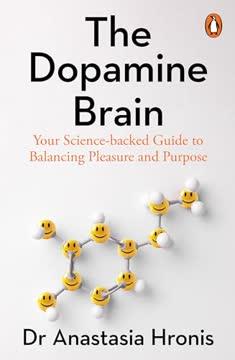
Get the complete 30-minute summary of The Dopamine Brain
Get the complete summary in the appDopamine is not the problem. Your relationship with dopamine-driven behaviors is.
You cannot detox from dopamine. It is essential for motivation, movement, and learning.
Tolerance means the same experiences produce less pleasure over time. This is why simple pleasures lose their effect whe
Hedonic happiness comes from pleasure. Eudaimonic happiness comes from meaning and purpose. You need both.
Values are your internal compass. Clarify what matters to you, and use it to guide your choices.
Choice points are the small moments when you decide whether to move toward or away from your values.
"The Dopamine Brain" is a strong fit if you want practical ideas around health & fitness, psychology, self help, especially themes like dopamine is not the problem. your relationship with dopamine-driven behaviors is; you cannot detox from dopamine. it is essential for motivation, movement, and learning. The MinuteRead summary distills these concepts into a focused read, whether you're deciding whether to buy the book or applying its lessons at work.
Dr. Anastasia Hronis is a psychologist and author known for her work on dopamine and its effects on human behavior. She has gained recognition for her ability to explain complex neuroscientific concepts in an accessible manner. Dr. Hronis's expertise lies in the intersection of psychology, neuroscience, and practical self-improvement strategies. Her writing style is described as engaging and easy to understand, making her work appealing to both general readers and professionals in the field. She…
View all summaries by Anastasia HronisContinue Reading
Access the complete 30-minute summary and thousands more nonfiction books in the MinuteRead app.

Continue reading the complete summary in the MinuteRead app.