MinuteRead
30 min
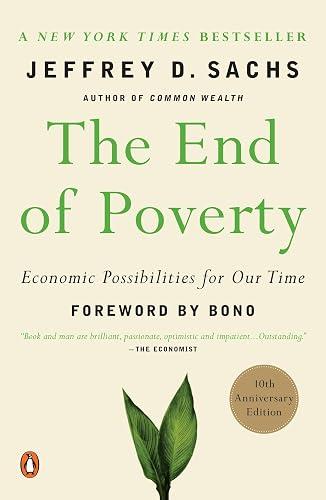
The End Of Poverty will help you develop a kinder and more compassionate heart by opening your eyes to the terrible state of the poorest countries in the world, how they got to be this way, and why solving this problem is in our best interests and may be easier than we think.
The End Of Poverty will help you develop a kinder and more compassionate heart by opening your eyes to the terrible state of the poorest countries in the world, how they got to be this way, and why solving this problem is in our best interests and may be easier than we think.
Poverty is the result of a variety of factors, but most impoverished countries are caught in a poverty trap. This is a vicious cycle that doesn’t allow them to pull themselves out of poverty on their own.
One example of something that can cause a poverty trap is geographical positions. Many developing nations don’t have conditions allowing for economic growth. Maybe they are surrounded by deserts or mountains, which makes for high transportation costs. Or maybe the climate isn’t good for consistent agricultural success.
Another issue that can trap people in poverty is bad governance. If the government doesn’t prioritize economic growth, the nation will lack in infrastructure. Without good transportation networks, roads, and education, economic development can become impossible.
Sometimes countries that are poor and small can suffer from a “brain drain.” Meaning, those who get an education leave to a richer country because the local market isn’t good for business.
Lastly, demography can present a problem. Extremely high birth rates in developing countries slow down economic growth. This is because when families are large, they don’t usually have the means to send all the kids to school, so the next generation doesn’t have the tools to succeed.
People might try to come up with a magical solution to stop poverty forever, but in reality, there is no one-size-fits-all solution. Every country that suffers from poverty has its own individual problems. One example Sachs shares is Bolivia. In the 1980s, the country had hyperinflation of their currency by a staggering 24,000 percent. The exchange rate of pesos to dollars was in the millions. The issue was due to the fact that the state was spending money it didn’t have on producing gas and oil. Running a budget in the red like this quickly devalued their currency. So the country started measures to stall inflation. One of the things they did was stop spending money on oil production. The exchange rate quickly stabilized. But unfortunately, they found themselves in crisis again because the problem was more than just a deficit in the budget. Because Bolivia is landlocked, the only profitable exports were natural resources. Any other exports weren’t worth the high transportation costs. The economy became entirely dependant on the prices of natural rubber and tin which were losing value. This issue, along with high public spending was creating a huge problem. The problem was more than…
Continue reading in the MinuteRead app
Get the complete 5-minute summary of The End Of Poverty
Get the complete summary in the appPoor countries can’t get free of the poverty trap on their own.
We can’t fix this problem by using the same solution everywhere, we must use specific methods for each country.
We must make ending poverty a high priority.
"The End Of Poverty" is a strong fit if you want practical ideas around culture, economics, future, especially themes like poor countries can’t get free of the poverty trap on their own; we can’t fix this problem by using the same solution everywhere, we must use specific methods for each country. The MinuteRead summary distills these concepts into a focused read, whether you're deciding whether to buy the book or applying its lessons at work.
Jeffrey D. Sachs is a world-renowned economics professor, bestselling author, innovative educator, and global leader in sustainable development. He is widely recognized for bold and effective strategies to address complex challenges including debt crises, hyperinflations, the transition from central planning to market economies, the control of AIDS, malaria, and other diseases, the escape from extreme poverty, and the battle against human-induced climate change. He is Director of the UN Sustaina…
View all summaries by Jeffrey SachsContinue Reading
Access the complete 5-minute summary and thousands more nonfiction books in the MinuteRead app.

Continue reading the complete summary in the MinuteRead app.