MinuteRead
30 min
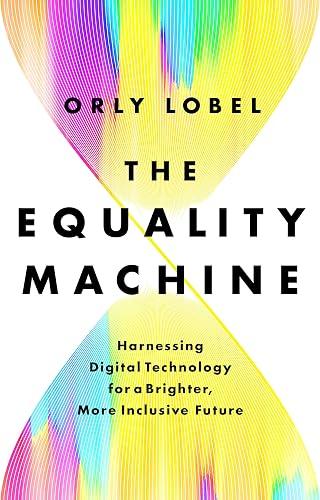
Book summary
by Orly Lobel
Premium summary · Opens in the app · 30 min read
We live in an age of profound technological anxiety. Every week brings new headlines about algorithmic bias, surveillance capitalism, job displacement, and the corrosive effects of social media on democracy. The dominant narrative suggests that technology is accelerating inequality, concentrating power in the hands of a few, and eroding human dignity. Many thoughtful people have concluded that the digital revolution is something to fear, regulate, or escape.
**Author:** Orly Lobel **Estimated Reading Time:** 45 minutes
**What You'll Learn:**
- Why technology is not the enemy of equality but potentially its greatest ally - How algorithms and AI can reduce bias in hiring, healthcare, and education - The surprising ways digital tools empower marginalized communities - How to think critically about the ethical challenges of emerging technologies - A balanced framework for building a more equitable digital future
**Who This Book Is For:**
This book is for anyone who has felt uneasy about the role of technology in modern life. It is for readers who worry that algorithms are making inequality worse, that automation is destroying opportunity, and that the digital revolution benefits only the powerful. It is also for optimists who sense that technology holds untapped potential but struggle to articulate how. Whether you are a policymaker, a business leader, a student, or simply a curious citizen, this book offers a nuanced perspective that challenges both techno-utopian hype and reflexive techno-pessimism.
We live in an age of profound technological anxiety. Every week brings new headlines about algorithmic bias, surveillance capitalism, job displacement, and the corrosive effects of social media on democracy. The dominant narrative suggests that technology is accelerating inequality, concentrating power in the hands of a few, and eroding human dignity. Many thoughtful people have concluded that the digital revolution is something to fear, regulate, or escape. Orly Lobel believes this narrative is incomplete. In *The Equality Machine*, she argues that technology, for all its flaws, represents one of the most powerful tools humanity has ever created for advancing equality, dignity, and human flourishing. The problem is not technology itself. The problem is how we design it, who controls it, and whether we have the courage to harness its potential for good. Lobel is not a naive techno-optimist. She is a legal scholar who has spent decades studying the intersection of law, technology, and social justice. She understands the risks of algorithmic bias, the dangers of unchecked corporate power, and the legitimate concerns about privacy and autonomy. But she also sees something that many critics miss: the comparative advantage of machines over humans when it comes to fairness. Human beings are remarkably bad at making unbiased decisions. We are influenced by unconscious stereotypes, cognitive biases, emotional states, and social pressures. We discriminate in hiring, in healthcare, in education, and in criminal justice, often without realizing we are doing so. Machines, properly designed, can help us overcome these limitations. They can process vast amounts of data, identify patterns we miss, and make decisions based on relevant criteria rather than irrelevant characteristics. This insight forms the foundation of Lobel's argument. Technology is not a threat to equality. It…
Continue reading in the MinuteRead app
Get the complete 30-minute summary of The Equality Machine
Get the complete summary in the appTechnology can be a powerful force for equality, but only if we choose to make it so.
Humans are biased, and machines can help us overcome our biases when properly designed.
The goal is not to replace humans with machines but to create a hybrid model that combines the strengths of both.
AI hiring tools can reduce bias by focusing on skills and qualifications rather than demographic characteristics.
Digital health technologies can expand access to care and enable personalized treatment for underserved populations.
AI tutoring systems can provide personalized learning at scale, making quality education available to everyone.
"The Equality Machine" is a strong fit if you want practical ideas around technology, science, sociology, especially themes like technology can be a powerful force for equality, but only if we choose to make it so; humans are biased, and machines can help us overcome our biases when properly designed. The MinuteRead summary distills these concepts into a focused read, whether you're deciding whether to buy the book or applying its lessons at work.
Motivated to help readers with technology can be lifesaving; it can help us be healthier, Orly Lobel wrote “The Equality Machine” to package those ideas for a fast, focused read. In “The Equality Machine”, Orly Lobel focuses on technology can be lifesaving; it can help us be healthier. Through “The Equality Machine”, Orly Lobel distills the core ideas on technology into lessons readers can absorb in a single short sitting. Readers turn to this work when they want Orly Lobel's perspective on the …
Continue Reading
Access the complete 30-minute summary and thousands more nonfiction books in the MinuteRead app.

Continue reading the complete summary in the MinuteRead app.