MinuteRead
30 min
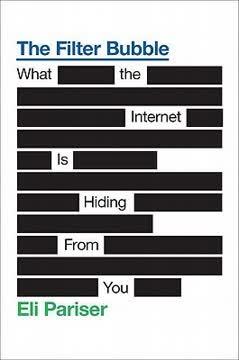
Book summary
by Eli Pariser
Premium summary · Opens in the app · 30 min read
Imagine walking into a library where the books rearrange themselves based on what you have borrowed before. The shelves you see are different from the shelves your neighbor sees. Some books are prominently displayed, others hidden in back rooms, and still others removed entirely. The librarian insists this is helpful, a service designed to save you time. But you never asked for it. You never agreed to it. And you have no way of knowing what you are missing.
**Author:** Eli Pariser
**Estimated Reading Time:** 45 minutes
**What You'll Learn:**
- How invisible algorithms shape what you see, read, and believe online - Why your search results differ from everyone else's - How personalization threatens democracy, creativity, and discovery - What you can do to reclaim control over your digital life
**Who This Book Is For:**
Anyone who uses the internet. If you search on Google, scroll through Facebook, or read news online, this book explains the hidden architecture that determines what reaches your screen and what remains invisible.
Imagine walking into a library where the books rearrange themselves based on what you have borrowed before. The shelves you see are different from the shelves your neighbor sees. Some books are prominently displayed, others hidden in back rooms, and still others removed entirely. The librarian insists this is helpful, a service designed to save you time. But you never asked for it. You never agreed to it. And you have no way of knowing what you are missing. This is the internet you use every day. The promise of the early internet was radical. It would connect people across borders, expose them to new ideas, and create a global marketplace of information where the best arguments won. Anyone could publish. Anyone could read. The barriers that had long kept knowledge in the hands of the powerful were crumbling. For a brief moment, it seemed the internet might fulfill the democratic dreams of its founders. Then something changed. Without most people noticing, the internet began to personalize itself. Google started tailoring search results to individual users. Facebook reordered news feeds based on what its algorithms predicted would keep people clicking. News sites began recommending articles based on reading history. The open web, once a sprawling public square, started transforming into a hall of mirrors. Eli Pariser calls this phenomenon the filter bubble. It is the invisible, algorithmic editing of the web, a process that shapes what information reaches you without your knowledge or consent. The filter bubble is not a conspiracy. It is a business model. Companies like Google and Facebook discovered that personalization increases engagement, and engagement increases advertising revenue. The more accurately they can predict what you will click, the more valuable you become to advertisers. The problem is that the things you click on are not necessarily the things you need to see. The things that comfort you are not always the things that challenge you. The information that confirms your existing beliefs is not always the information that helps you understand the world. Pariser wrote this book in 2011, when the filter bubble was still forming. In the years since, the trends he identified have accelerated…
Continue reading in the MinuteRead app
Get the complete 30-minute summary of The Filter Bubble
Get the complete summary in the appThe internet is personalized around you, creating a unique filter bubble that shapes what you see and what remains invis
The filter bubble is invisible. You do not know what you are missing because you do not know it exists.
Personalization optimizes for engagement, not for truth, importance, or intellectual growth.
Algorithms are not neutral. They embody the values of the companies that created them.
The filter bubble amplifies political polarization by filtering out opposing viewpoints.
Democracy depends on a shared public sphere, which the filter bubble undermines.
"The Filter Bubble" is a strong fit if you want practical ideas around technology, science, internet, especially themes like the internet is personalized around you, creating a unique filter bubble that shapes what you see and what remains invis; the filter bubble is invisible. you do not know what you are missing because you do not know it exists. The MinuteRead summary distills these concepts into a focused read, whether you're deciding whether to buy the book or applying its lessons at work.
Eli Pariser is a prominent left-wing political and internet activist. He serves as the chief executive of Upworthy, a website dedicated to promoting "meaningful" viral content. Pariser is also the board president of MoveOn.org, a progressive advocacy group and political action committee. Additionally, he co-founded Avaaz.org, a global civic organization that campaigns on various international issues. His background in online activism and content curation informs his perspective on the impact of …
View all summaries by Eli PariserContinue Reading
Access the complete 30-minute summary and thousands more nonfiction books in the MinuteRead app.

Continue reading the complete summary in the MinuteRead app.