MinuteRead
30 min
The dream of automation is old. For centuries, humans have imagined machines that would lift the burden of labor from our shoulders. We have wanted freedom from drudgery, from repetitive tasks, from the sweat and strain of physical work. In many ways, that dream has come true. Machines now assemble our cars, manage our investments, guide our airplanes, and answer our questions. Software sorts our mail, recommends our entertainment, and tells us where to drive. We have delegated an astonishing sh
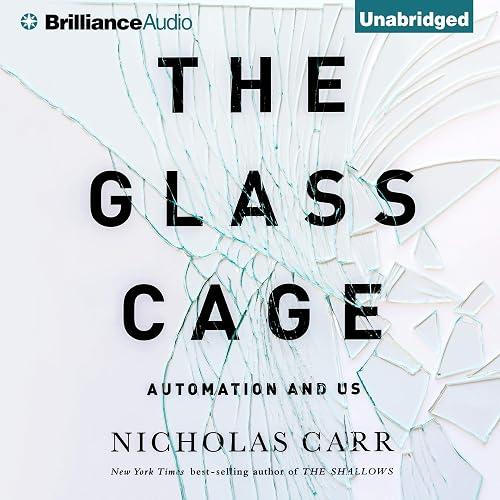
**Author:** Nicholas Carr
**Estimated Reading Time:** 45 minutes
**What You'll Learn:**
Why automation, despite its obvious benefits, carries hidden costs for human skill, judgment, and fulfillment. You will understand how our growing reliance on computers reshapes the way we think, work, and experience the world. You will learn why the most sophisticated technology sometimes produces the least engaged humans, and what we can do to reclaim our autonomy.
**Who This Book Is For:**
Anyone who has ever wondered whether their tools are serving them or shaping them. Pilots, doctors, designers, programmers, managers, and everyday users of smartphones and GPS will find themselves in these pages. If you have ever felt a quiet unease about how much you depend on software, this book will give you language for that feeling and a framework for thinking about what comes next.
The dream of automation is old. For centuries, humans have imagined machines that would lift the burden of labor from our shoulders. We have wanted freedom from drudgery, from repetitive tasks, from the sweat and strain of physical work. In many ways, that dream has come true. Machines now assemble our cars, manage our investments, guide our airplanes, and answer our questions. Software sorts our mail, recommends our entertainment, and tells us where to drive. We have delegated an astonishing share of our daily labor to computers. And yet, something feels wrong. Nicholas Carr opens The Glass Cage with a simple observation: automation does not simply change what we do. It changes who we are. When we hand tasks over to machines, we do not merely save time. We alter our relationship to the work itself, to our own skills, and to the world around us. The consequences are often invisible, accumulating slowly in the background of our lives until we find ourselves strangely diminished. Consider the modern airline pilot. For decades, flying was a deeply physical, sensory activity. Pilots felt the aircraft through the controls, read the sky with their eyes, and developed an intuitive sense of weather and wind. Today, most of a flight is handled by autopilot systems. The pilot sits in the cockpit, monitoring screens and waiting for something to go wrong. This is not a hypothetical concern. When automation fails or encounters an unexpected situation, pilots sometimes struggle to take manual control. Their skills, unused for hours at a time, have atrophied. In several well-documented crashes, investigators found that pilots had become so accustomed to automation that they could not recognize or respond to the problem unfolding before them. This pattern appears everywhere. Doctors who rely on electronic medical records may spend more time looking at screens than at patients. Architects who use computer-aided design software may…
Continue reading in the MinuteRead app
Get the complete 30-minute summary of The Glass Cage
Get the complete summary in the appAutomation remakes both work and worker. Every time we delegate a task to a machine, we change not only how the task is
The automation paradox means that more automation can lead to more catastrophic failures, not fewer, because human opera
The degeneration effect is real. Skills that are not practiced will fade, whether they are physical, cognitive, or neura
The substitution myth blinds us to the real costs of automation. Automation does not simply replace human labor; it tran
Passive monitoring is one of the things humans are worst at. Designing systems that require it is a recipe for disaster.
Efficiency is not the only value. Engagement, satisfaction, skill development, and meaning all matter.
"The Glass Cage" is a strong fit if you want practical ideas around technology, psychology, sociology, especially themes like automation remakes both work and worker. every time we delegate a task to a machine, we change not only how the task is; the automation paradox means that more automation can lead to more catastrophic failures, not fewer, because human opera. The MinuteRead summary distills these concepts into a focused read, whether you're deciding whether to buy the book or applying its lessons at work.
Motivated to turn hard-won expertise into something readers can use every day, Nicholas Carr wrote “The Glass Cage” to distill the ideas behind the work into clear, actionable lessons. Through “The Glass Cage”, Nicholas Carr distills the core ideas on technology into lessons readers can absorb in a single short sitting. Readers turn to this work when they want Nicholas Carr's perspective on the subject without working through the entire original volume. The book is structured so each chapter hig…
View all summaries by Nicholas CarrContinue Reading
Access the complete 30-minute summary and thousands more nonfiction books in the MinuteRead app.

Continue reading the complete summary in the MinuteRead app.