MinuteRead
30 min
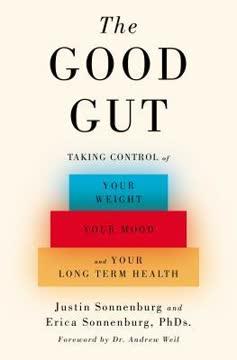
You are not alone in your body. Right now, trillions of microorganisms are living on your skin, in your mouth, and throughout your digestive tract. They are not invaders. They are not passengers. They are partners in nearly every biological process that keeps you alive.
**Author:** Justin Sonnenburg and Erica Sonnenburg
**Estimated Reading Time:** 45 minutes
**What You'll Learn:**
- Why your body is more microbial than human and why that matters - How your gut bacteria shape your immune system, brain, and long-term health - Why modern life is quietly depleting your microbial diversity - What you can eat and do today to rebuild a resilient gut ecosystem - How to protect your children's microbial health from birth onward
**Who This Book Is For:**
Anyone who eats, sleeps, parents, ages, or takes medication. If you have a digestive system, this book is about you. It is for people who want to understand the invisible ecosystem that shapes their health and for those who suspect that modern living has exacted a hidden biological cost.
You are not alone in your body. Right now, trillions of microorganisms are living on your skin, in your mouth, and throughout your digestive tract. They are not invaders. They are not passengers. They are partners in nearly every biological process that keeps you alive. If you lined up all the bacteria in your body end to end, they would stretch from Earth to the moon. That is not a metaphor. It is a measurement. And yet most of us walk through life completely unaware that we are walking ecosystems. Justin and Erica Sonnenburg are microbiologists at Stanford University School of Medicine. They have spent their careers studying the gut microbiome, the vast community of bacteria, viruses, and fungi that inhabits the human digestive tract. What they have learned challenges some of our most basic assumptions about what it means to be human. For most of modern medical history, bacteria were seen as the enemy. We sterilized, sanitized, and scrubbed. We developed antibiotics that saved millions of lives. We built a food system that prioritized shelf stability over microbial nourishment. And in doing so, we inadvertently waged war on the very organisms that keep us healthy. The result is a quiet crisis. The average American adult carries about 1,200 species of bacteria in their gut. That sounds like a lot until you compare it to the average Amerindian living in the Amazonas of Venezuela, who carries roughly 1,600 species. A full third more. This loss of diversity is not a curiosity. It is a warning. Our modern lifestyle, with its processed foods, overuse of antibiotics, hyper-cleanliness, and sedentary habits, has systematically depleted the microbial richness that our ancestors carried. And this depletion tracks closely with the rise of chronic diseases that plague Western populations: inflammatory bowel disease, obesity, diabetes, autoimmune conditions, allergies, asthma, and even mental health disorders. The good news is that this is not a one-way street. Unlike our…
Continue reading in the MinuteRead app
Get the complete 30-minute summary of The Good Gut
Get the complete summary in the appYou are a superorganism. Your health depends on the health of your microbial partners.
The microbiome contains over 100 times more genetic material than your human genome.
Fiber is the primary food source for beneficial gut bacteria. Eat a diverse, fiber-rich diet.
Microbiota Accessible Carbohydrates (MACs) are the specific types of fiber that gut bacteria ferment.
The Western diet is starving our microbes, leading to a loss of microbial diversity.
Antibiotics cause collateral damage to the microbiome. Use them judiciously.
"The Good Gut" is a strong fit if you want practical ideas around health & fitness, health, science, especially themes like you are a superorganism. your health depends on the health of your microbial partners; the microbiome contains over 100 times more genetic material than your human genome. The MinuteRead summary distills these concepts into a focused read, whether you're deciding whether to buy the book or applying its lessons at work.
Justin Sonnenburg and Erica Sonnenburg are microbiologists and immunologists at Stanford University School of Medicine. They specialize in studying the gut microbiome and its impact on human health. As researchers, they bring scientific expertise to the topic of gut health, basing their work on current studies and their own research findings. The authors approach the subject with a balance of scientific rigor and practical application, often drawing from their personal experiences as parents. Th…
View all summaries by Justin SonnenburgContinue Reading
Access the complete 30-minute summary and thousands more nonfiction books in the MinuteRead app.

Continue reading the complete summary in the MinuteRead app.