MinuteRead
30 min
Book summary
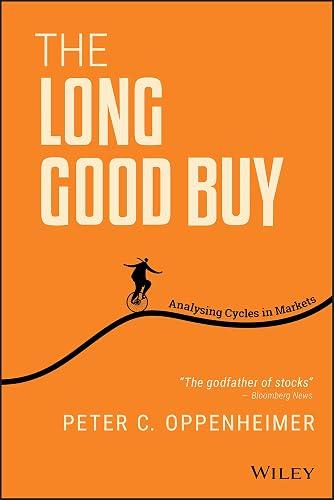
by Peter C. Oppenheimer
Premium summary · Opens in the app · 30 min read
Financial markets have a way of humbling even the most sophisticated participants. Just when patterns seem clear, conditions shift. Just when confidence peaks, the ground gives way. Just when despair seems permanent, recovery begins. This cycle of boom and bust, fear and greed, has repeated itself across decades, across continents, and across radically different economic regimes.
**Author:** Peter C. Oppenheimer
**Estimated Reading Time:** 45 minutes
**What You'll Learn:**
- Why market cycles persist despite massive economic and technological change - The four phases of every equity cycle and how to recognize them - How to distinguish between different types of bear markets and bubbles - Why long-term investing remains the most reliable path to wealth creation - How technology, demographics, and unconventional policy have reshaped market dynamics
**Who This Book Is For:**
Investors who want to understand the deeper patterns driving financial markets. Whether you are a seasoned professional or a thoughtful individual investor, this book provides the analytical framework needed to navigate cycles with greater confidence and clarity.
Financial markets have a way of humbling even the most sophisticated participants. Just when patterns seem clear, conditions shift. Just when confidence peaks, the ground gives way. Just when despair seems permanent, recovery begins. This cycle of boom and bust, fear and greed, has repeated itself across decades, across continents, and across radically different economic regimes. Peter Oppenheimer has spent his career studying these patterns. As Chief Global Equity Strategist at Goldman Sachs, he has observed markets from a vantage point few can claim. He has lived through crashes and recoveries, through periods of irrational exuberance and equally irrational pessimism. And through it all, he has noticed something remarkable: despite the enormous changes that have transformed the global economy since the 1980s, the fundamental rhythms of financial markets have remained strikingly consistent. This observation sits at the heart of The Long Good Buy. The book's title captures its central insight: for equity investors willing to hold their positions for at least five years, and especially for those who can recognize the signs of bubbles and inflection points, the stock market has historically offered a remarkably attractive proposition. The "long good buy" is not a clever slogan. It is a statistical reality grounded in decades of market data. But the book is far more than a simple argument for buying and holding. Oppenheimer recognizes that patience alone is insufficient. Investors also need to understand where they stand in the cycle, what drives different phases of market behavior, and how to distinguish between temporary setbacks and structural shifts. The goal is not to predict the future with precision. That, Oppenheimer readily admits, is impossible. The goal is to understand the probabilities, to recognize the signals, and to position accordingly. The challenge is that human psychology works against us. We are wired to extrapolate recent trends into the indefinite future. When markets rise, we assume they will keep rising. When they fall, we assume the decline will never end. This tendency toward linear thinking in a cyclical world leads investors…
Continue reading in the MinuteRead app
Get the complete 30-minute summary of The Long Good Buy
Get the complete summary in the appEquity markets move in four phases: despair, hope, growth, and optimism. Recognize where you are to make better decision
The hope phase offers the highest returns. Buying during despair and holding through hope captures the most powerful gai
The optimism phase carries the highest risk. High valuations and euphoric sentiment precede bear markets.
Bear markets come in three types: cyclical, event-driven, and structural. Structural bear markets are the most severe an
Bubbles follow identifiable patterns. "This time is different" is a warning sign, not an insight.
The "long good buy" works: equities deliver superior returns over five-year and longer horizons.
"The Long Good Buy" is a strong fit if you want practical ideas around finance, economics, business, especially themes like equity markets move in four phases: despair, hope, growth, and optimism. recognize where you are to make better decision; the hope phase offers the highest returns. buying during despair and holding through hope captures the most powerful gai. The MinuteRead summary distills these concepts into a focused read, whether you're deciding whether to buy the book or applying its lessons at work.
Motivated to help readers with despite all the political, Peter C. Oppenheimer wrote “The Long Good Buy” to package those ideas for a fast, focused read. In “The Long Good Buy”, Peter C. Oppenheimer focuses on despite all the political. Through “The Long Good Buy”, Peter C. Oppenheimer distills the core ideas on finance into lessons readers can absorb in a single short sitting. Readers turn to this work when they want Peter C. Oppenheimer's perspective on the subject without working through the …
Continue Reading
Access the complete 30-minute summary and thousands more nonfiction books in the MinuteRead app.

Continue reading the complete summary in the MinuteRead app.