MinuteRead
30 min
Book summary
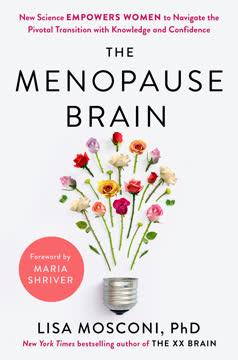
by Lisa Mosconi
Premium summary · Opens in the app · 30 min read
For most of human history, menopause has been framed as a reproductive event. The ovaries stop releasing eggs. Menstruation ends. Fertility declines. The story usually stops there, as if a woman's body simply powers down one system and moves on.
**Author:** Lisa Mosconi, PhD
**Estimated Reading Time:** 45 minutes
**What You'll Learn:**
- Why menopause is fundamentally a neurological event, not just a reproductive one - How the brain and ovaries maintain a constant two-way conversation throughout a woman's life - What actually causes hot flashes, brain fog, insomnia, and mood shifts - Which treatments work, which don't, and how to decide what's right for you - How to use lifestyle changes to protect your brain during and after menopause - Why cultural attitudes shape the menopause experience more than most people realize - How to turn menopause into a period of genuine renewal and growth
**Who This Book Is For:**
This book is for every woman who has ever wondered why she suddenly can't remember where she put her keys, why she wakes up drenched in sweat at 3 a.m., or why her moods swing without warning. It's for women approaching menopause, women in the thick of it, and women who want to understand what's happening in their brains. It's also for partners, family members, friends, and colleagues who want to understand what the women in their lives are experiencing. And it's for anyone who believes that women's health deserves better science, better conversations, and better solutions.
For most of human history, menopause has been framed as a reproductive event. The ovaries stop releasing eggs. Menstruation ends. Fertility declines. The story usually stops there, as if a woman's body simply powers down one system and moves on. But that story has always been incomplete. Lisa Mosconi, a neuroscientist who has spent her career studying the female brain, argues that menopause is just as much a neurological event as it is a reproductive one. The brain is not a passive bystander during this transition. It is an active participant, responding to hormonal changes in ways that affect everything from body temperature to memory to mood. In fact, many of the symptoms women experience during menopause originate not in the ovaries but in the brain. The problem is that most women have never been told this. They've been told their symptoms are "just part of getting older." They've been told that hot flashes are a minor inconvenience, that brain fog is probably stress, that mood swings are something to endure quietly. They've been offered antidepressants when they asked about memory loss. They've been dismissed, minimized, and left to figure things out on their own. This book exists because that dismissal is not just frustrating. It's dangerous. When women don't understand what's happening in their brains during menopause, they can't advocate for themselves. They can't distinguish between normal transitions and warning signs. They can't make informed decisions about hormone therapy, lifestyle changes,…
Continue reading in the MinuteRead app
Get the complete 30-minute summary of The Menopause Brain
Get the complete summary in the appMenopause is a neurological transition. The brain changes just as much as the ovaries do.
Estrogen is essential for brain function. It affects energy metabolism, neurotransmitter production, and neural connecti
Hot flashes, sleep disturbances, mood changes, and brain fog all originate in the brain.
Brain fog during menopause is real but usually temporary. It is not a sign of dementia.
The brain adapts to lower estrogen levels over time. Cognitive function often stabilizes after the transition.
Hormone therapy can be effective but is not right for everyone. Individualized decision-making is essential.
"The Menopause Brain" is a strong fit if you want practical ideas around health & fitness, health, science, especially themes like menopause is a neurological transition. the brain changes just as much as the ovaries do; estrogen is essential for brain function. it affects energy metabolism, neurotransmitter production, and neural connecti. The MinuteRead summary distills these concepts into a focused read, whether you're deciding whether to buy the book or applying its lessons at work.
Lisa Mosconi PhD is a neuroscientist and expert on brain health, particularly in relation to women's health and aging. She is known for her research on the effects of hormones on the brain during menopause. Mosconi has authored multiple books on brain health and women's health, including "The XX Brain" and "Brain Food." Her work focuses on the intersection of neuroscience, nutrition, and women's health. She advocates for increased research and understanding of women's brain health throughout dif…
View all summaries by Lisa MosconiContinue Reading
Access the complete 30-minute summary and thousands more nonfiction books in the MinuteRead app.

Continue reading the complete summary in the MinuteRead app.