MinuteRead
30 min
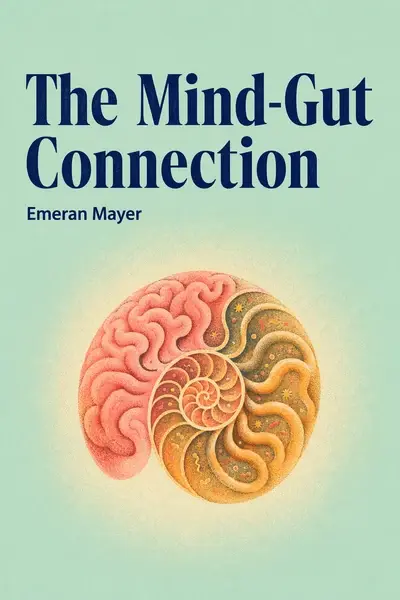
Book summary
by Emeran Mayer
Premium summary · Opens in the app · 30 min read
For centuries, medicine treated the brain and the digestive system as separate territories. Neurologists studied the organ inside the skull. Gastroenterologists examined the long tube running from mouth to anus. The two fields rarely spoke. The idea that your intestines might influence your thoughts, emotions, or decisions seemed closer to folklore than science.
**Author:** Emeran Mayer **Estimated Reading Time:** 45 minutes
**What You'll Learn**
How the trillions of microbes living in your digestive system shape your emotions, decisions, and long-term health. You will discover why your gut is genuinely a second brain, how early life experiences program your gut-brain axis for decades, and what specific changes you can make to restore balance to this vital system.
**Who This Book Is For**
Anyone who has ever felt butterflies before a presentation, experienced digestive distress during stressful periods, or wondered why certain foods affect their mood. This book is for people curious about the hidden biological forces influencing their daily experience and for those seeking practical, science-based strategies to improve both mental and physical well-being.
For centuries, medicine treated the brain and the digestive system as separate territories. Neurologists studied the organ inside the skull. Gastroenterologists examined the long tube running from mouth to anus. The two fields rarely spoke. The idea that your intestines might influence your thoughts, emotions, or decisions seemed closer to folklore than science. Yet ordinary language has always hinted at a deeper truth. We say we have a "gut feeling" about a decision. We describe a frightening experience as "gut-wrenching." We talk about having "butterflies" in our stomach before speaking in public. These phrases exist in nearly every human language, suggesting something universal about the experience of feeling emotions in the body, specifically in the gut. Emeran Mayer spent his career investigating whether these everyday expressions point to biological reality. As a gastroenterologist and neuroscientist at UCLA, he has spent decades studying the intricate communication network that connects the brain and the digestive system. What he and his colleagues discovered has transformed our understanding of human health. The gut is not simply a passive tube that processes food. It contains its own nervous system, the enteric nervous system, which operates with remarkable independence from the brain. It houses the largest collection of immune cells in the body. And it hosts trillions of microorganisms, collectively called the gut microbiome, that have evolved alongside humans for millions of years. These microbes are not passive passengers. They produce neurotransmitters that affect mood. They influence inflammation throughout the body. They communicate with the brain through the vagus nerve, a major information highway that runs from the abdomen to the skull. In many ways, the gut microbiome functions as an organ in its own right, one that modern medicine has only recently begun to understand. The problem is that modern life has disrupted this ancient partnership. The Western diet, heavy in processed foods and refined sugars, has reduced the diversity of our gut microbes. Antibiotics, while life-saving, can wipe out beneficial bacteria alongside harmful ones.…
Continue reading in the MinuteRead app
Get the complete 30-minute summary of The Mind-Gut Connection
Get the complete summary in the appYour gut and brain are connected through a bidirectional communication network that affects your health, emotions, and d
Trillions of gut microbes function like an organ, producing compounds that influence your brain.
The first years of life program your gut-brain axis and shape your lifelong health.
Stress alters gut function and microbial composition, while gut distress affects mood.
Gut feelings are real, with a biological basis in the gut-brain axis and the insular cortex.
The modern Western diet has disrupted the ancient partnership between humans and their gut microbes.
"The Mind-Gut Connection" is a strong fit if you want practical ideas around health, science, psychology, especially themes like your gut and brain are connected through a bidirectional communication network that affects your health, emotions, and d; trillions of gut microbes function like an organ, producing compounds that influence your brain. The MinuteRead summary distills these concepts into a focused read, whether you're deciding whether to buy the book or applying its lessons at work.
Emeran Mayer is a gastroenterologist with a diverse background. Born in Bavaria, he chose medicine over the family confectionery business. After studying in Munich and training in Vancouver, he moved to Los Angeles to specialize in gut-brain interactions. Mayer balances his medical career with a passion for adventure, having participated in film expeditions and climbed major mountains worldwide. His approach to medicine integrates Buddhist philosophy, ancient healing practices, and modern scienc…
View all summaries by Emeran MayerContinue Reading
Access the complete 30-minute summary and thousands more nonfiction books in the MinuteRead app.

Continue reading the complete summary in the MinuteRead app.